Japan’s railway system stands out for its precision: the Shinkansen bullet trains arrive within 20 seconds of schedule 99.9% of the time. In 2022, JR Central operated over 300,000 trains annually, carrying 160 million passengers with zero fatalities from derailments or collisions since 1964. This isn’t luck—it’s the result of privatization, cultural discipline, and relentless maintenance. Other countries chase similar results but often stumble on bureaucracy or underfunding.
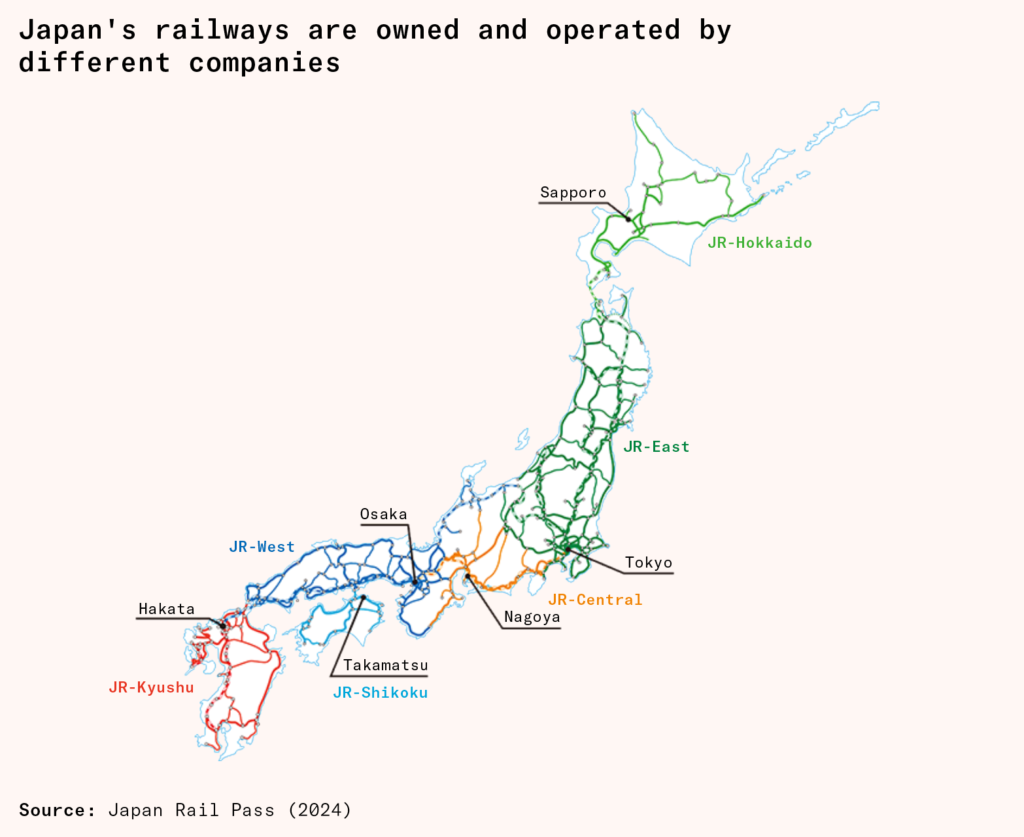
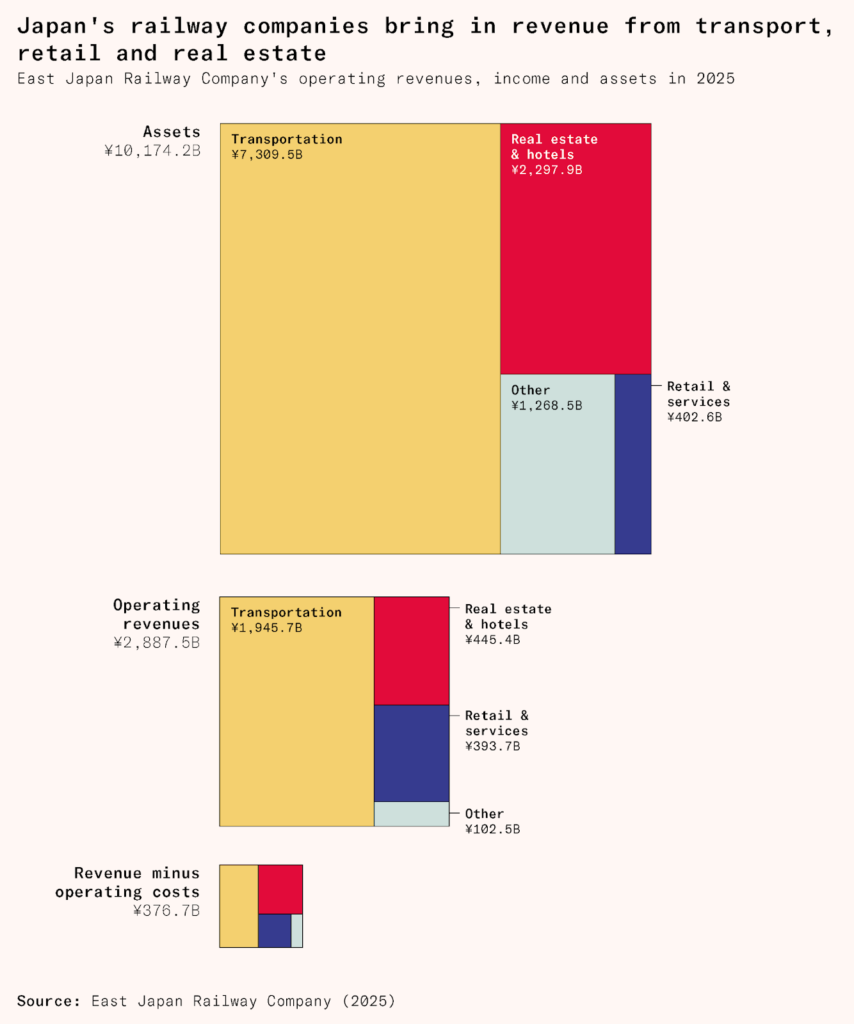
The foundation traces to 1987, when the bankrupt Japanese National Railways (JNR) privatized into seven JR companies. JNR carried 20 billion passengers yearly but drowned in ¥37 trillion ($270 billion today) debt from overbuilding and subsidies. Privatization slashed staff by 100,000, spun off unprofitable lines, and turned JR East and JR Central profitable within years. JR East now posts ¥2.4 trillion ($16 billion) revenue annually, funding expansions without taxpayer bailouts. Contrast this with Amtrak’s $44 billion U.S. federal backstop since 1971—Japan proves rails can run as businesses.
Private Operators Drive Efficiency
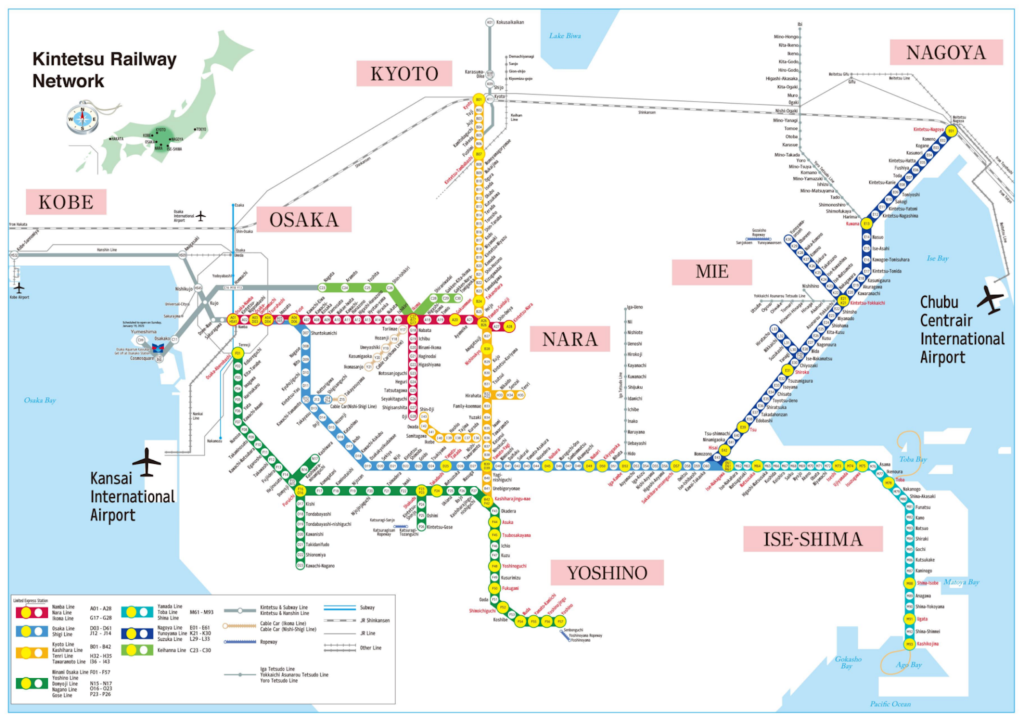
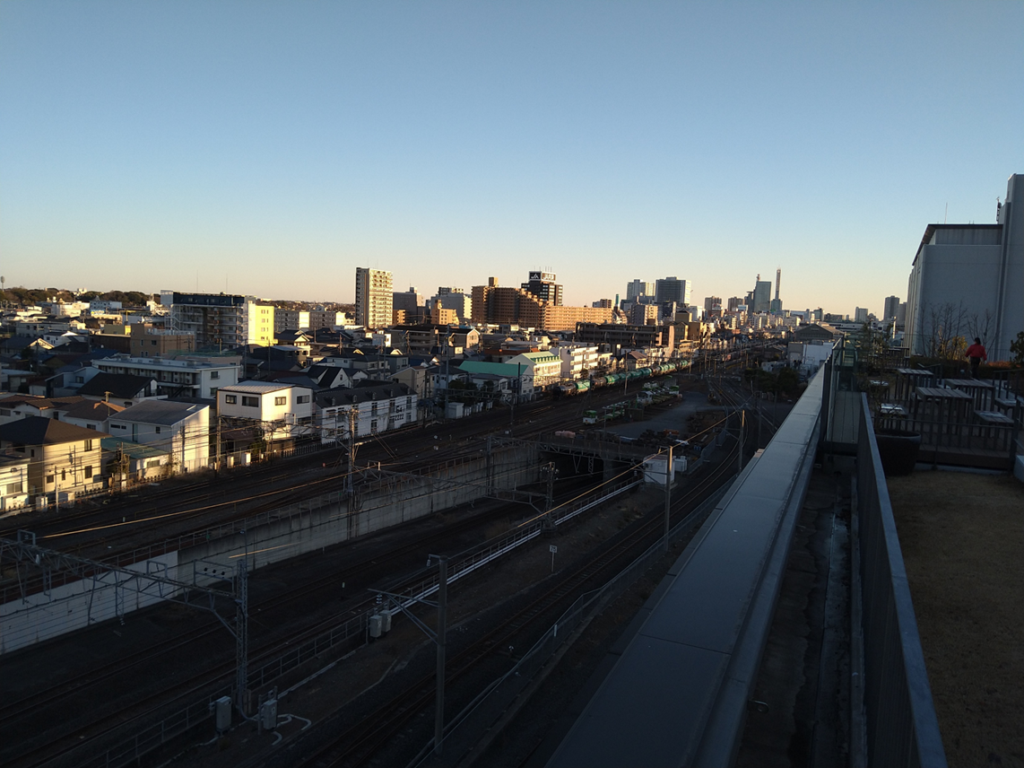
Over 200 private regional operators, like Tokyu and Odakyu, compete fiercely on Tokyo’s dense web of 1,000+ km lines. They pack 180 passengers per car at peak, with doors opening exactly on time thanks to platform-edge gates and AI scheduling. Fares reflect costs: a Tokyo-Osaka Shinkansen ticket costs ¥14,000 ($95), double Europe’s high-speed averages, but riders get reliability. Subsidies exist for rural lines, but profits from urban density—Tokyo Station handles 500,000 daily—cross-subsidize. This model crushes state monopolies: China’s high-speed network grows fast but logs delays up to 30% on non-express lines.
Workforce culture amplifies this. Conductors train for years, memorizing routes and emergency drills. Strikes halt service only after negotiation—last major JR walkout was 1987. Punctuality obsession stems from kaizen (continuous improvement): post-2005 Niigata quake, trains resumed in hours via redundant signaling. Earthquake tech shines—early warning systems brake trains 5-30 seconds before shaking, as in 2011 Tohoku. Safety stats: 0.07 fatalities per billion passenger-km versus 0.4 in Europe.
Why It Matters Beyond Japan
Japan’s system powers its economy: rails move 25% of passenger-km and 5% freight, freeing highways for trucks. GDP contribution hits ¥15 trillion yearly via jobs and tourism. Stations double as malls—Tokyo Station’s GranSta generates ¥300 billion sales. This integration boosts ridership to 24 billion trips yearly, versus U.S. Amtrak’s 30 million.
Skeptics note flaws: fares deter low-income riders, suicides disrupt lines (400+ yearly), and expansions lag (Chuo Shinkansen maglev delayed to 2034). Rural depopulation guts local service. Still, Japan’s 99% electrification and hydrogen trials position it for net-zero by 2050.
Implications for the West? Copy privatization: UK’s 1990s rail split boosted ridership 50% but fragmented safety—Japan’s regulator JR East inspects 100% of tracks yearly. U.S. California High-Speed Rail, $100 billion and counting, ignores private bids. Europe’s blended speeds falter without Japan’s density (Japan: 340 people/sq km vs. EU 110). Emulate the basics: profit motive, staff rigor, tech integration. Japan’s rails aren’t utopia—they’re engineered outcomes. Other nations could replicate if they ditch subsidies for accountability.