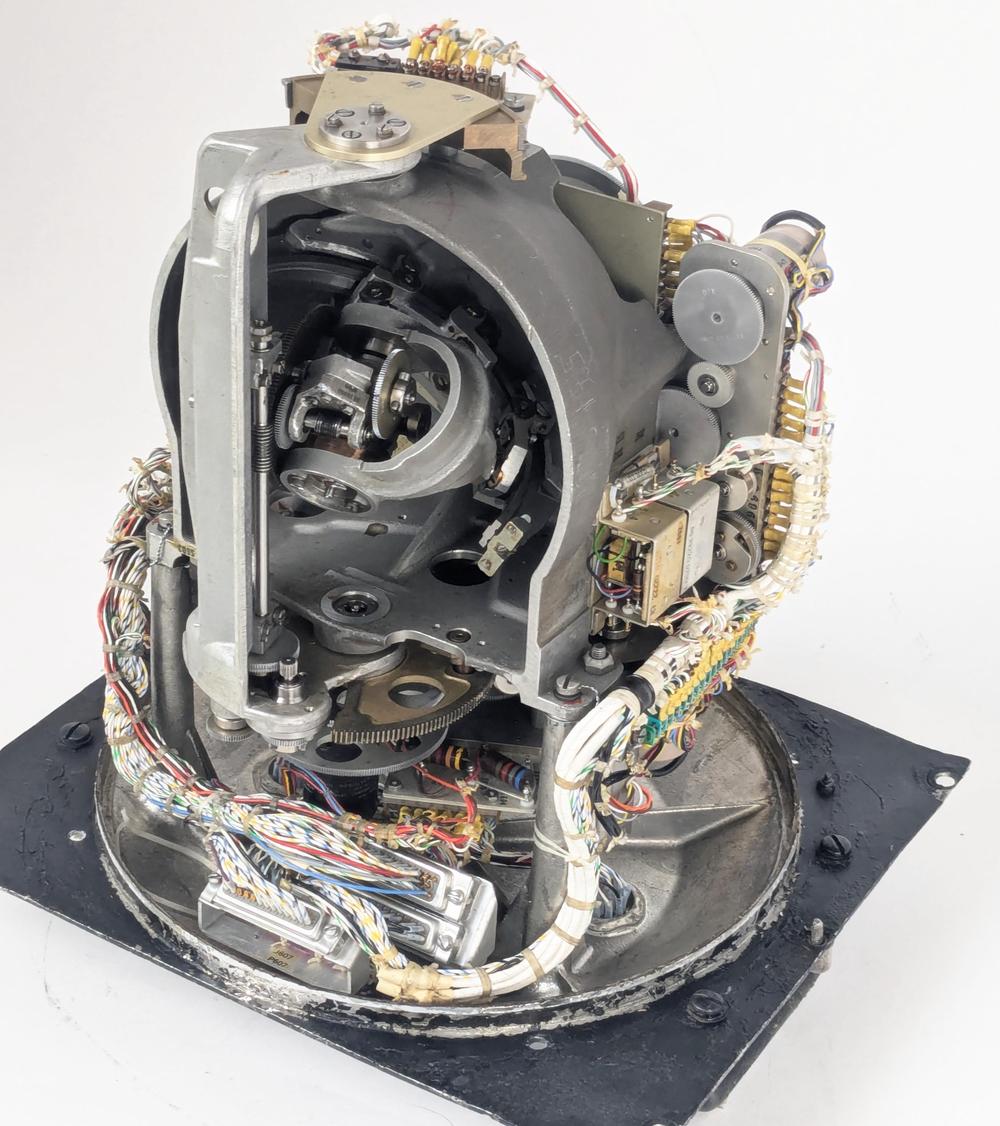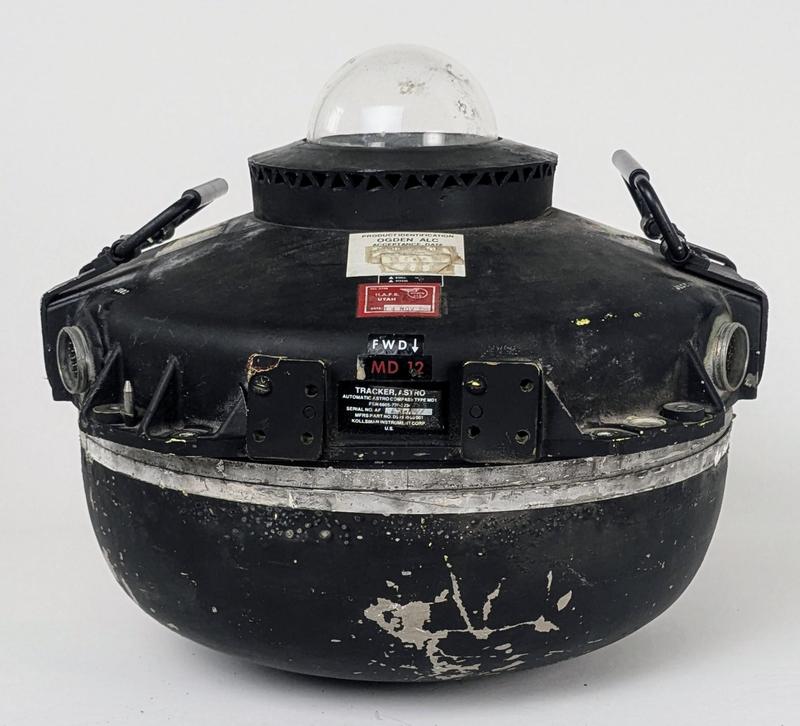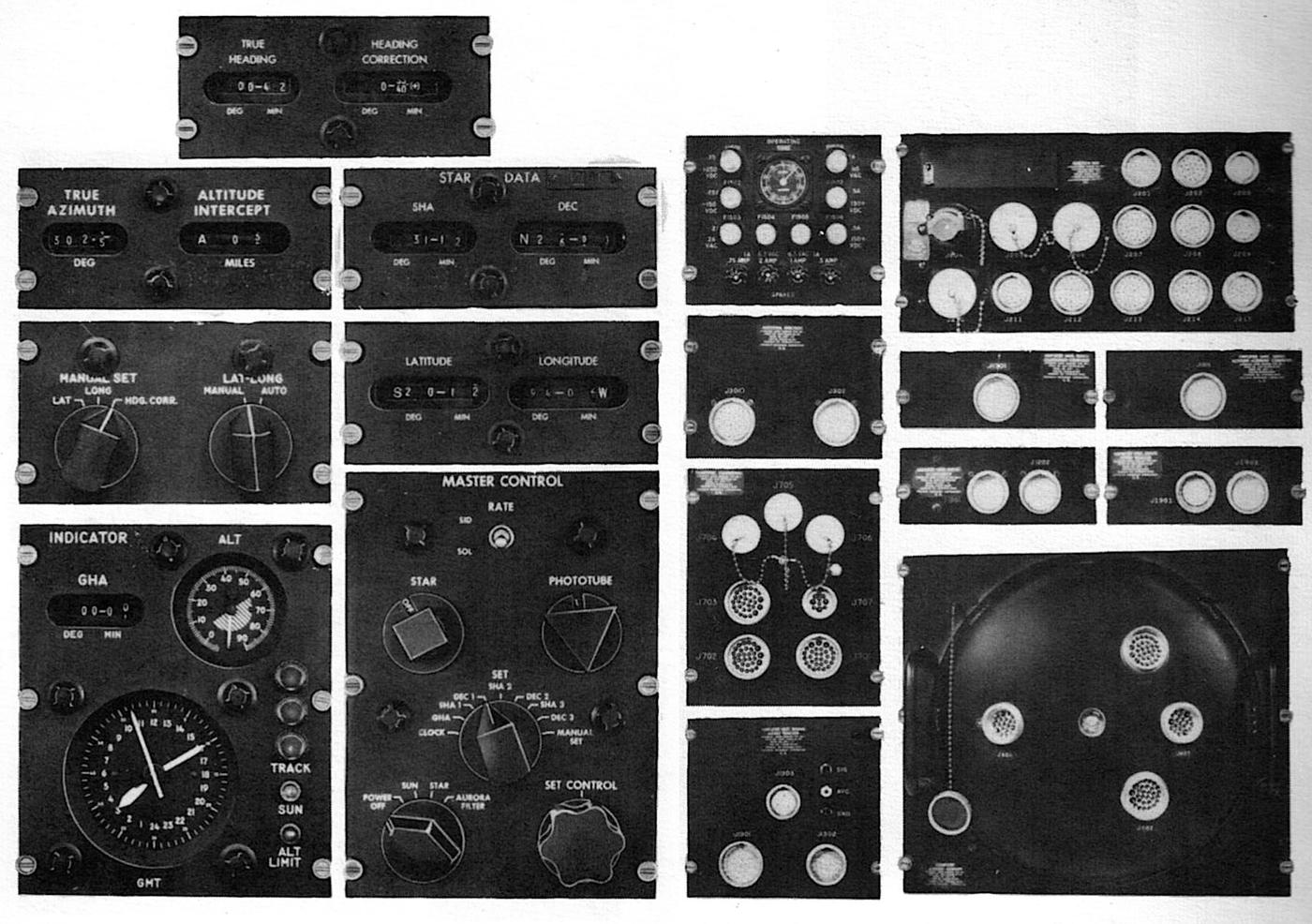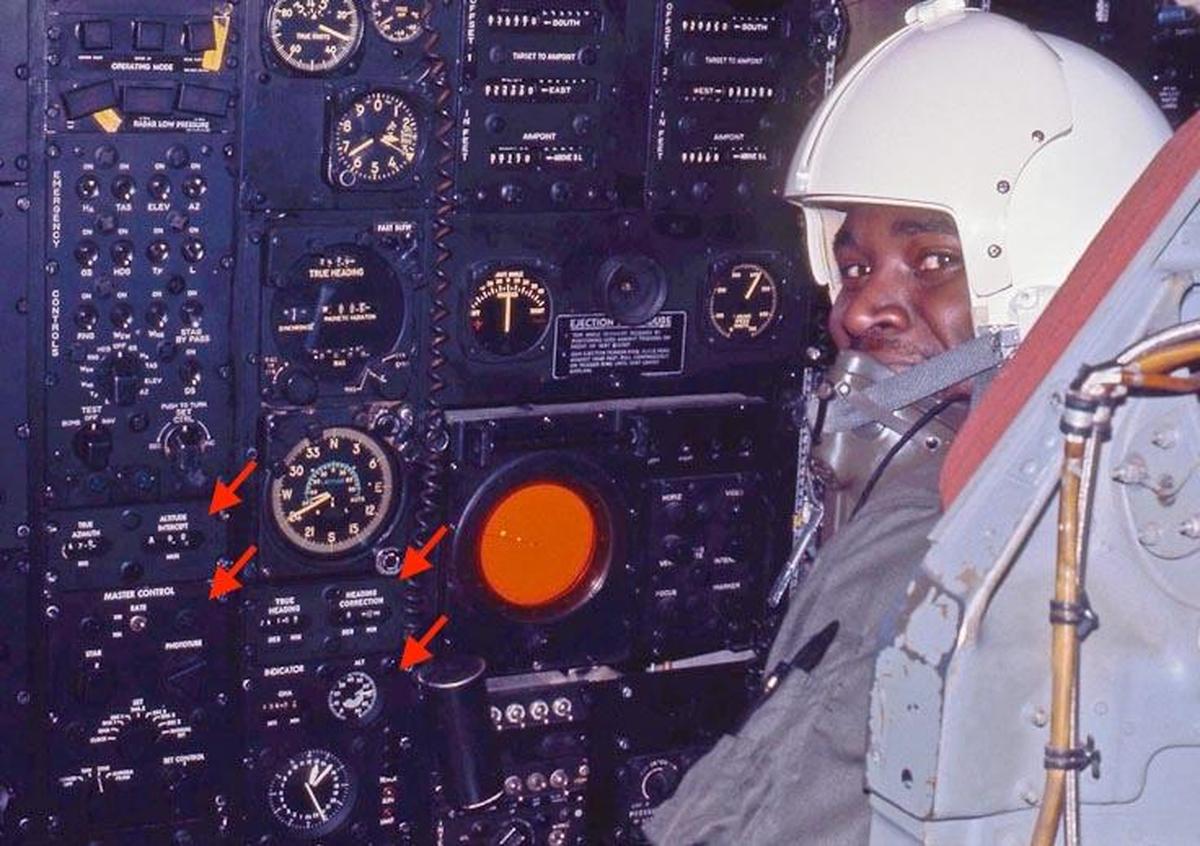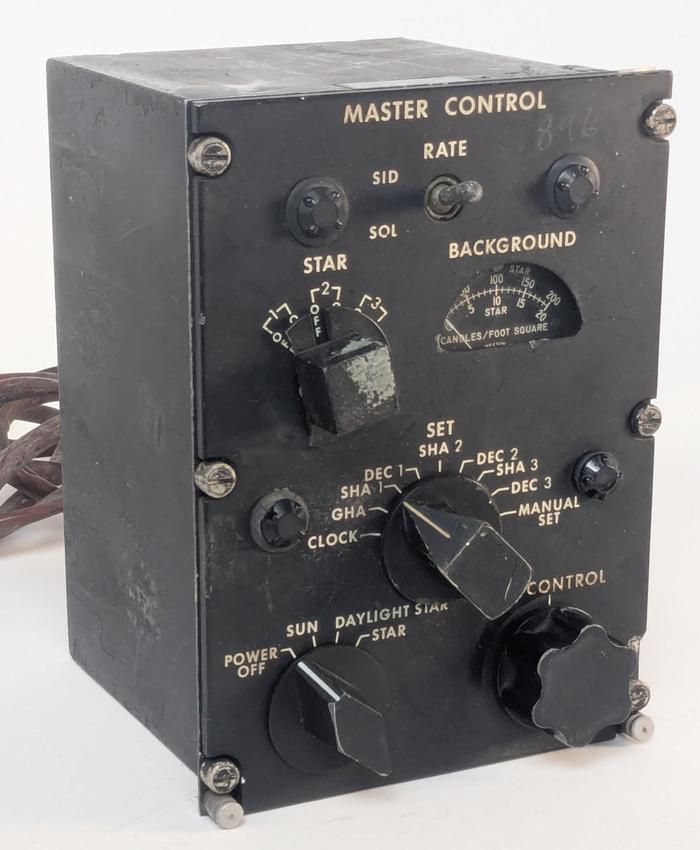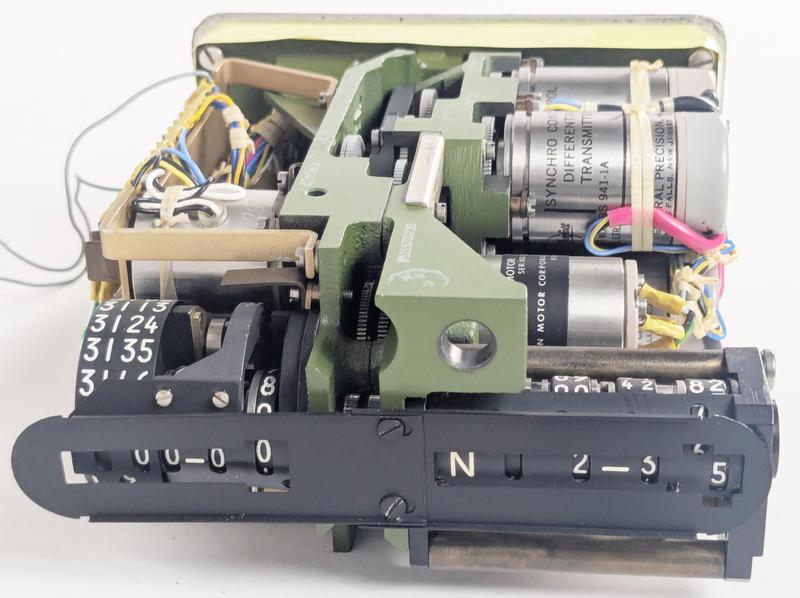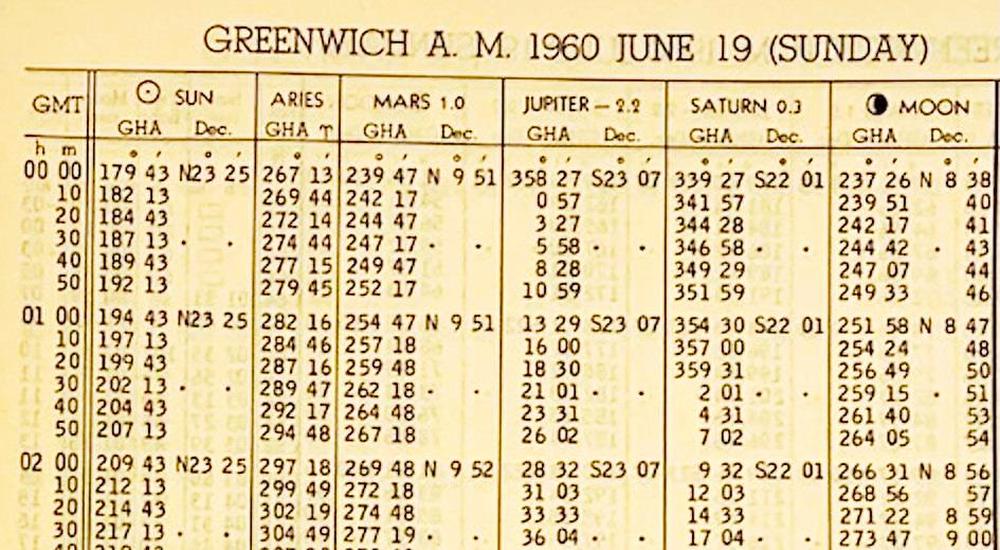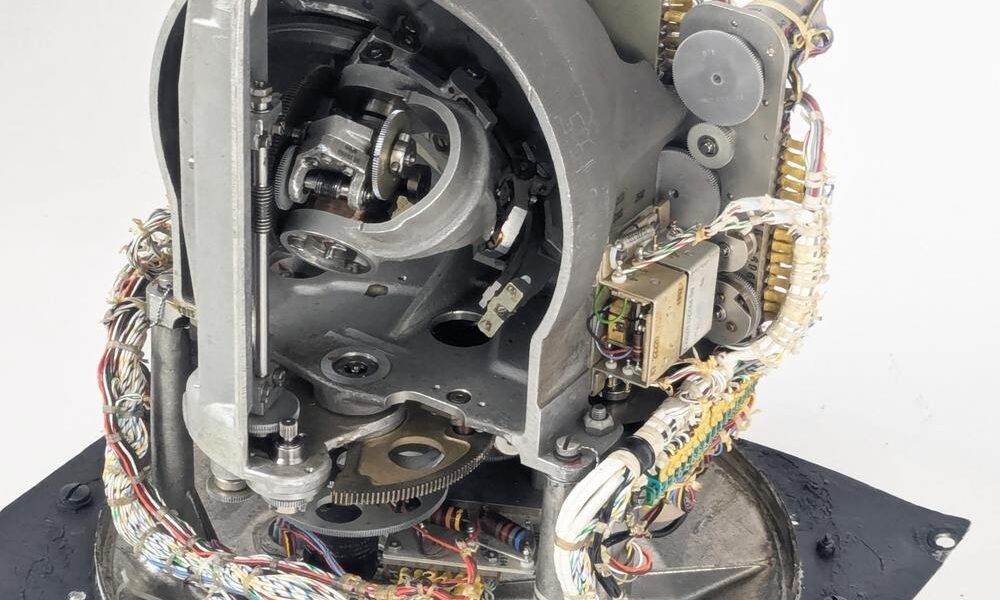
The B-52 Stratofortress, a bomber first flown in 1952 and still in U.S. Air Force service today, relied on an electromechanical angle computer buried inside its star tracker for pinpoint navigation during Cold War missions. This analog beast solved complex trigonometric equations using gears, cams, and synchros—no software, no microchips. It corrected the inertial navigation system (INS) by processing star sightings, ensuring the plane knew its exact position over intercontinental flights without ground signals or early GPS.
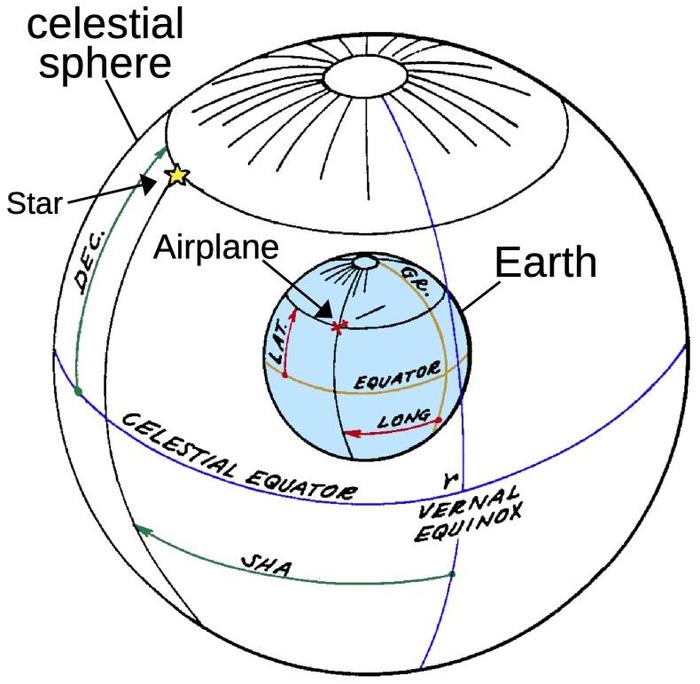
Star trackers like the AN/ASQ-22 Astrotracker on early B-52s pierced the fuselage to observe celestial bodies. A photoelectric sensor locked onto a star, measuring its angle relative to the aircraft’s axes. The angle computer then crunched the data to update the INS gyro platform, which drifted about 1.5 nautical miles per hour without corrections. Pilots popped the tracker sextant-style every 15-30 minutes on clear nights, sighting two or more stars for triangulation. This setup kept positioning errors under 2 nautical miles after 10 hours aloft—a feat for 1950s tech.
How the Electromechanical Computer Worked
At its core, the device was an analog computer built from precision mechanics. Input came from synchros—rotary transformers sending angle data as AC voltages. These fed into differential gears and resolvers that performed vector additions, multiplications, and spherical trig functions like haversine formulas for great-circle distances.
Picture this: A star at azimuth 120 degrees and elevation 45 degrees generates voltages proportional to sin(θ) and cos(θ). Gears multiply these by constants (e.g., Earth’s radius in nautical miles), cams introduce nonlinear functions for trig identities, and summing networks output corrections in latitude/longitude deltas. Tolerances hit 0.01 degrees; shafts spun at up to 10,000 RPM under hydraulic boost. No digital logic meant no bit flips from radiation or EMP—vital for nuclear strike scenarios.
Teardowns, like those shared on Hacker News from museum pieces or declassified docs, reveal brass gears etched with logarithmic scales, oil-bath lubricated for -55°C Arctic runs to 50°C desert ops. Weight: around 50 pounds. Power: 115V AC, 400Hz aircraft standard. MTBF exceeded 1,000 hours, far outpacing vacuum-tube contemporaries.
Why This Matters in 2024
The B-52 fleet—76 active H-models—flies with modernized avionics, but echoes of this tech persist. GPS jamming threats revive stellar navigation interest; Northrop Grumman tested digital star trackers on B-52s in 2022, inheriting analog precision but adding CCD cameras and Kalman filters. Yet analog’s simplicity shines: no zero-day exploits, no supply-chain hacks. Cyberattacks grounded digital INS on F-35s in simulations; mechanical systems just work.
Implications cut deeper. Boeing spent $2.3 billion modernizing 76 B-52s through 2040, blending 1960s airframes with AESA radars. Retaining proven analog roots saves billions versus full redesigns—F-22s cost $350 million each. For space and subs, firms like iXblue sell fiber-optic gyros echoing synchro principles, with drift under 0.001°/hour.
Skeptically, analog isn’t magic. Maintenance chewed hours—gears wore after 5,000 missions—and weather blinded trackers 70% of the time over poles. Still, it enabled 99.9% dispatch reliability on alert birds. Today’s lesson: Hybrid systems beat all-digital fragility. In crypto-secure worlds, air-gapped mechanics counter quantum threats to GPS. The B-52’s star tracker proves engineering outlives hype; 70 years on, it navigates bombers that could outlive us.