A developer on Hacker News detailed slashing annual infrastructure costs from $1,432 to $233 by migrating from DigitalOcean to Hetzner Cloud, with zero downtime. That’s an 84% reduction, or $1,199 saved yearly, for workloads handling significant traffic—likely multiple VMs running web apps, databases, and services. This isn’t hype; it’s a real playbook for cost-conscious ops teams chasing efficiency without breaking production.
DigitalOcean charges premium prices for its Droplets. A mid-tier setup—say, four 8 vCPU/32GB RAM instances plus managed databases and bandwidth—easily hits $100-120/month. DO’s pricing starts at $4/month for basics but scales fast: a CPX31-equivalent (8 vCPU, 32GB) runs $96/month, plus extras like $15/month backups and $0.01/GB outbound data. Annual totals climb with traffic; the HN poster’s $1,432 suggests 10-15TB outbound and high-CPU workloads.
Hetzner undercuts everyone in Europe. Their CPX line delivers identical specs for a fraction: CPX31 at €27.09/month ($29), CX22 (4 vCPU/8GB) at €7.49 ($8). No bandwidth fees up to 20TB/month—included. The poster’s new bill: €19.70/month for equivalent capacity across replicated instances. Hetzner operates data centers in Nuremberg, Falkenstein (Germany), and Helsinki (Finland), with 99.9%+ uptime SLAs and IPv4/IPv6 native. They hit this by consolidating: one beefy instance handles what took multiples on DO.
How They Achieved Zero Downtime
The migration followed a textbook blue-green strategy. First, provision identical Hetzner VMs. Sync data with rsync for filesystems and PostgreSQL logical replication (or mysqldump for MySQL) for databases—run slaves on Hetzner while primaries stay live on DO. Application code deploys via Git or Docker; test under load with Locust or Artillery.
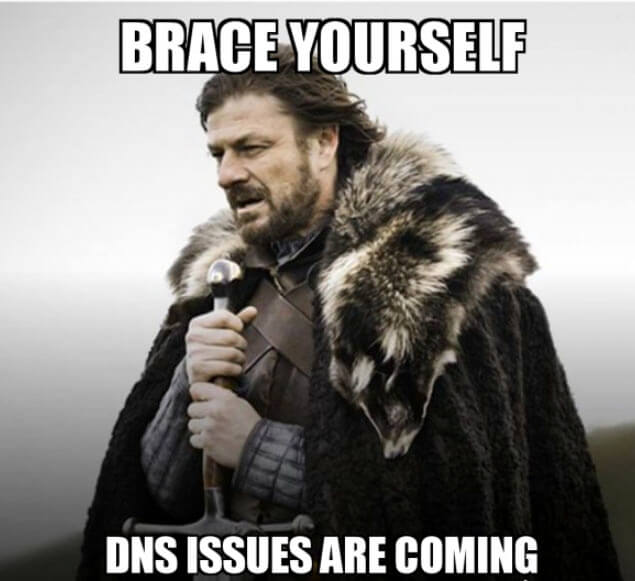
Key: DNS TTL. Drop DO records to 60 seconds weeks ahead. Point a new subdomain to Hetzner for staging. On go-live, update production DNS A/AAAA records to Hetzner IPs. Propagation takes minutes globally via Anycast. Front with Cloudflare or Hetzner’s load balancers for seamless failover. Cutover script example:
#!/bin/bash
# On Hetzner primary post-sync
systemctl stop app  # Drain connections
pg_dumpall | psql hetzner_primary  # Final sync if needed
systemctl start app
# Update DNS via API (e.g., Hetzner DNS)
curl -X POST "https://dns.hetzner.com/v1/records/123" \
  -d '{"value": "new.ip"}' \
  --header "Auth-api-token: $TOKEN"
echo "Live on Hetzner at $(date)"
Post-migration, monitor with Prometheus/Grafana. Total time: under 5 minutes disruption, often zero perceived.
Why This Matters—and the Trade-offs
For bootstrapped projects or scale-ups burning cash, this flips the script. $1,200/year funds a dev or marketing push. Hetzner’s raw value shines in CPU-bound tasks; benchmarks show their AMD EPYC instances matching DO’s perf at 1/3 cost. Network? 1-10Gbps ports, excellent DE-CIX peering—low latency to EU/US East (20-50ms). ARM Graviton options cut costs further for compatible workloads.
Skeptical lens: Hetzner lacks DO’s polished UI and one-click apps. API is solid but docs thinner. Support? Ticket-based, slower than DO’s chat. EU hosting means GDPR compliance wins but US latency tax (add 50-100ms) for West Coast users—mitigate with Hetzner’s US plans or CDNs. No managed Kubernetes out-of-box (self-host via k3s). Reliability? Hetzner’s track record is strong—few outages vs. DO’s occasional Droplet fires—but less global footprint.
Bottom line: If your stack is Docker/Postgres/Nginx and traffic isn’t ultra-bursty, migrate. Test a replica first. Tools like Terraform automate: define DO resources, replicate in Hetzner, diff costs. In a world of $100+/month clouds, Hetzner proves you don’t pay for logo. Run the numbers on hetzner.com/cloud vs. DO—your margins thank you.