Software developers tired of wrestling kernel modules can now handle USB devices directly from userspace. Tools like libusb let you claim interfaces, send control requests, and manage bulk or isochronous transfers without recompiling kernels or risking system crashes. A recent Hacker News thread spotlights an intro tutorial on this, but let’s cut to what actually works and why it matters for real projects.
USB dominates hardware interfaces—billions of devices ship yearly, from thumb drives to medical gear. Traditionally, host-side drivers live in kernel space for low latency and hardware control. Writing them demands C mastery, device tree tweaks, and debugging panics. Userspace alternatives sidestep this: libusb, a cross-platform library since 2008, abstracts the USB stack. On Linux, it uses usbfs or newer ioctls; Windows has WinUSB; macOS, IOKit helpers. No root needed post-udev rules.
How Userspace USB Drivers Work
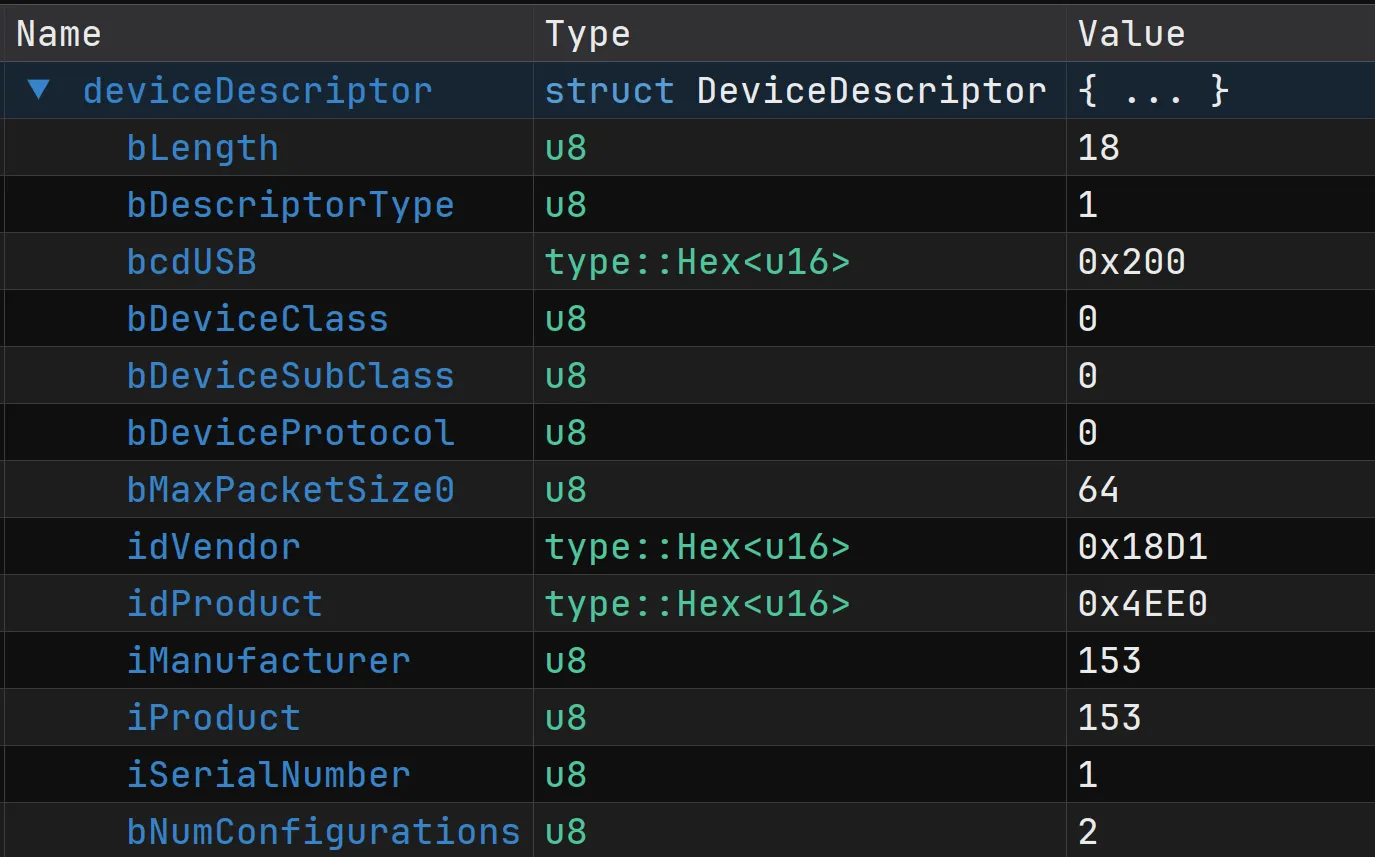
Start with enumeration. List devices via libusb_get_device_list(). Each has a bus ID, device address, and descriptors fetched with libusb_get_device_descriptor(). Match vendor/product IDs—say, 0x1234:0xABCD for your custom widget.
Claim an interface with libusb_open() and libusb_claim_interface(). Detach kernel drivers if conflicting using libusb_detach_kernel_driver(). Then transfer data:
libusb_device_handle *handle;
libusb_open(dev, &handle);
libusb_claim_interface(handle, 0);

unsigned char data[64];
int r = libusb_bulk_transfer(handle, endpoint_out, data, 64, NULL, 5000);
This sends 64 bytes over a bulk OUT endpoint, timing out in 5 seconds. Isochronous for audio/video? Use libusb_submit_transfer() with async callbacks. libusb-1.0 handles hotplug via libusb_handle_events() in a loop.
Real example: STM32 dev boards expose USB CDC for serial. Userspace code reads UART data at 115200 baud without ftdi_sio kernel module. Or prototype HID devices—keyboards, gamepads—bypassing kernel input stack.
Why This Matters—and the Tradeoffs
For developers, userspace USB slashes barriers. Prototype firmware-hardware links in hours, not days. Cross-compile once; run on any OS. Security wins: sandbox with AppArmor or containers, mitigating BadUSB exploits where rogue devices hijack hosts. In 2023, CISA warned on USB malware; userspace isolation limits blast radius.
Finance/crypto angle: Hardware wallets like Ledger use USB. Roll your own air-gapped signer? Userspace driver verifies device authenticity via signed descriptors before signing transactions. No kernel backdoors. IoT fleets? Manage thousands of sensors without per-device kernel patches.
Skeptical lens: Performance caps at 80-90% of kernel speeds on USB 2.0 (480 Mbps max). USB 3.x (5 Gbps+) strains context switches—libusb polls aggressively, spiking CPU. No native power management or suspend; your app must handle it. Hotplug flakes on some controllers (XHCI quirks). Enterprise? Kernel drivers scale better for drivers like usbhid handling 10k+ events/sec.
Benchmarks: libusb bulk transfers hit ~350 MB/s on USB 3.0 hosts (Intel xHCI), vs. kernel’s 400 MB/s. Fine for dev tools, storage adapters. For real-time (cameras, mics), kernel pipes lower jitter.
Alternatives stack up: TinyUSB for device-side (embedded). GadgetFS for Linux USB gadgets. For high-perf, VFIO-PCI passthrough to VMs, but that’s overkill. Future: Linux 6.x io_uring boosts async I/O, potentially closing gaps.
Bottom line: Userspace USB empowers solo devs and startups to own their hardware stack. Skip vendor BSODs; iterate fast. But measure throughput first—don’t deploy where kernel excels. Grab libusb, clone a GitHub USB explorer, and test your gear today. It unlocks hardware without the OS overlord tax.