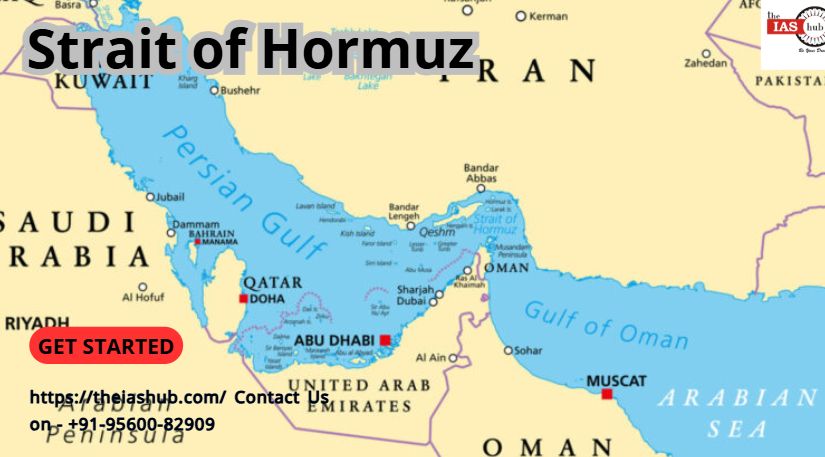
The Strait of Hormuz carries about 21 million barrels of oil per day—roughly 20% of global seaborne oil trade and a third of LNG shipments worldwide, per U.S. Energy Information Administration data from 2023. Disruptions here send oil prices spiking: Brent crude jumped 5% in a single day last June after Iran seized a tanker amid escalating tensions. A new hacky web tool scrapes public ship-tracking data to gauge if this chokepoint stays open, highlighting how DIY data grabs fill gaps left by pricey APIs and lagging official sources.
The builder, posting on Hacker News, created a simple page pulling JSON from MarineTraffic’s free AIS (Automatic Identification System) viewer centered on Hormuz coordinates (57.4°E). No fancy backend yet—just manual copy-paste of live ship positions for now, with plans for an AI agent on a cron job if it gains traction. It visualizes tanker traffic density to infer openness: heavy flow means business as usual; ghosts ships signal trouble.
Data Sources: Scrapes and Shortcomings
Live AIS APIs from providers like MarineTraffic or Spire cost hundreds monthly for decent volume—$500+ for basic global feeds, scaling to thousands for real-time granularity. The builder sidestepped this by hand-extracting JSON from the site’s free map view, a brittle workaround prone to breakage if MarineTraffic tweaks their frontend.
As a fallback, the tool references IMF’s PortWatch platform, which tracks port call disruptions using AIS and satellite data. It flags anomalies like delays or zero traffic but lags four days—useless for intraday decisions. PortWatch pegged a 2023 Yemen port halt at 95% disruption, correlating with Houthi attacks that rerouted 10% of regional traffic.
Other angles considered: parsing news APIs (e.g., Reuters alerts on Iranian naval moves) or prediction markets like Polymarket, where “Hormuz closure by end-2024” odds hovered at 15% last week amid Israel-Iran strikes. But the project stopped short after a few hours, leaving a minimal viable product.
Why This Matters: Energy Markets on Edge
Hormuz isn’t just a strait—it’s a geopolitical fault line. Iran, controlling the northern shore, has threatened closure 10+ times since 2011, including post-Soleimani in 2020 when prices surged 4%. Houthi drone strikes in the Red Sea already forced 2,000+ ships to detour since November 2023, adding $1 million per voyage in fuel, per BIMCO estimates. A full Hormuz blockade could push oil to $150/barrel, per JPMorgan models, hammering global GDP by 1-2% via higher energy costs.
Traders and shippers need real-time signals. Official sources like EIA weekly reports lag weeks; satellite firms like Orbital Insight charge enterprise rates. Free AIS aggregators cover 90% of large vessels but miss small boats or spoofed signals—Iranian forces jammed GPS here in 2019. This tool’s value lies in accessibility: anyone can eyeball tanker icons for a quick read, better than waiting on headlines.
Skeptically, it’s no oracle. Scraped data risks staleness; visual density doesn’t distinguish loaded supertankers (500,000-barrel VLCCs) from empties. False positives abound—weather or maintenance can thin traffic. For reliability, layer in multimodal data: satellite SAR imagery from ICEYE ($10k+ campaigns) or options flow in energy futures, where WTI calls spiked 30% volume pre-tensions.
Still, it underscores a broader shift: citizen data hackers democratizing intel once gated by Bloomberg terminals. Better sources exist—exactEarth’s historical AIS archives or Windward’s AI risk scores—but they’re paywalled. If you have free/cheap feeds (e.g., Danish Maritime Authority’s open AIS), share them. In a world where one drone swarm could choke 30% of oil flows, tools like this beat ignorance.
Check it at the HN link; fork it, automate the scrape with Puppeteer on Vercel cron, add alerts via Telegram bot. Why care? Your gas prices, shipping rates, and portfolio hinge on this 21-mile-wide pinch point staying open.