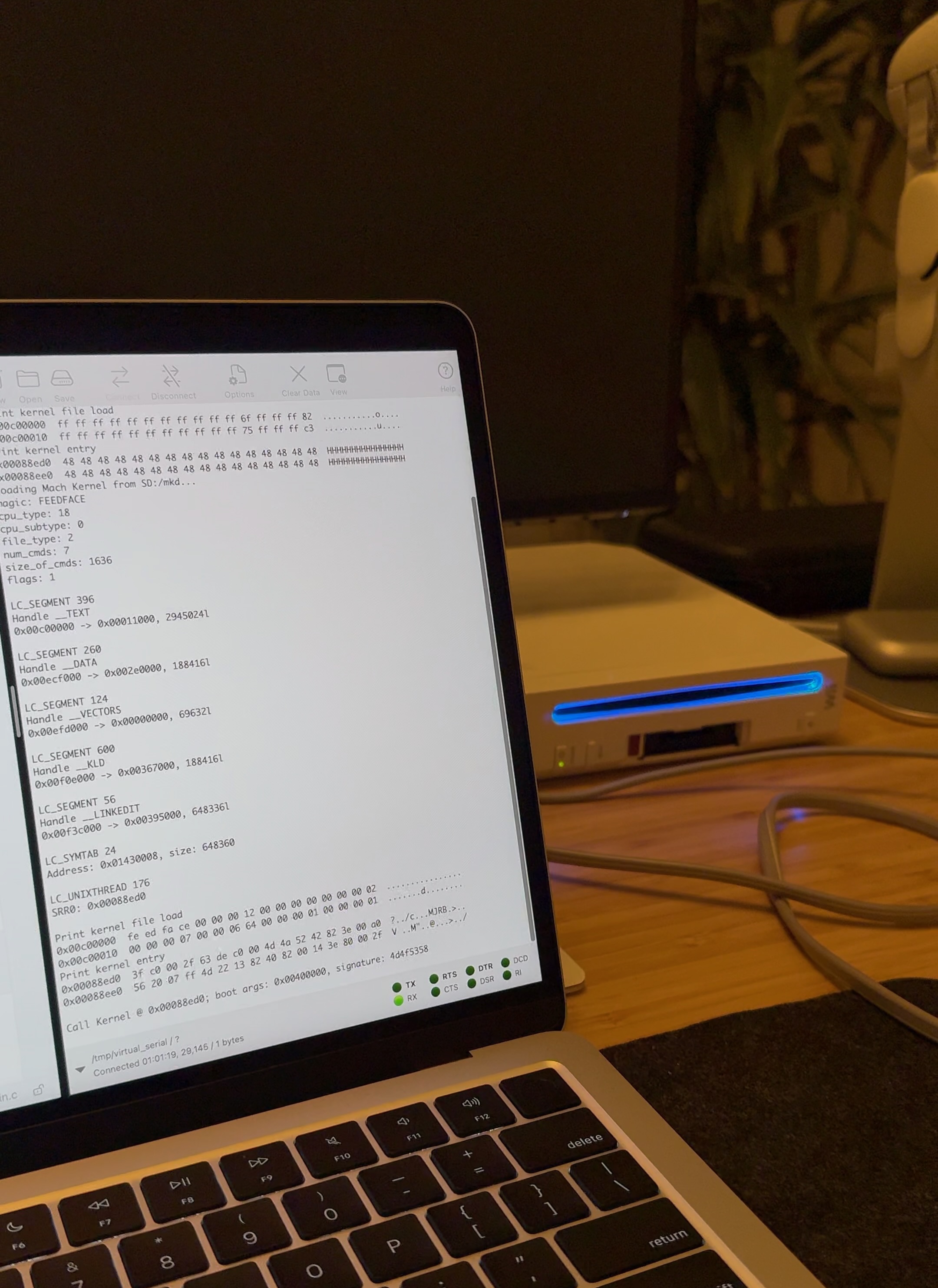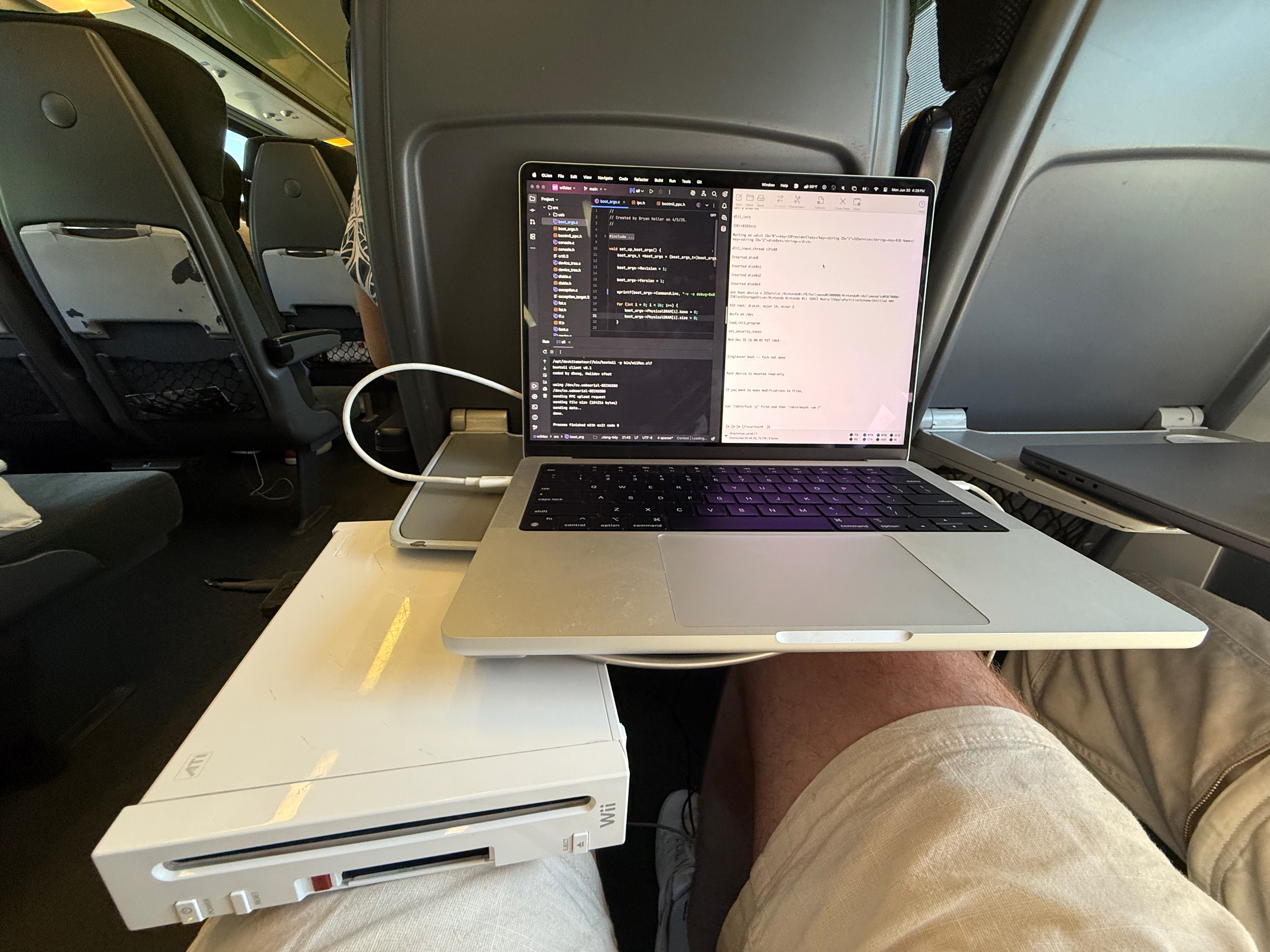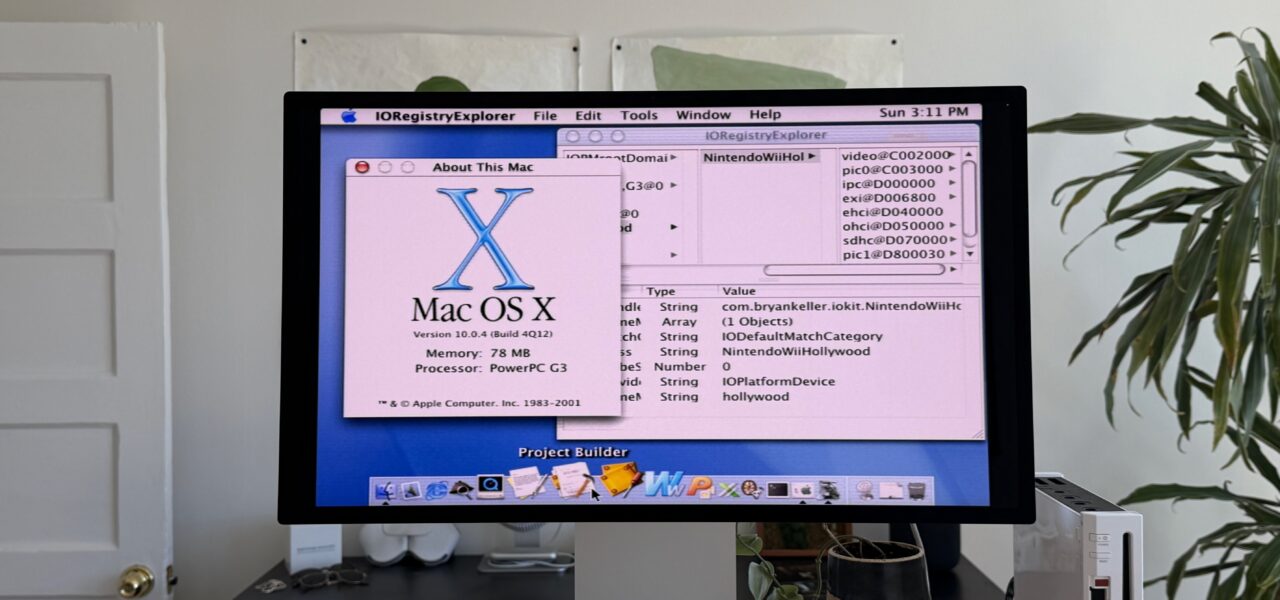
A developer named “quux” ported Mac OS X 10.4 Tiger to the Nintendo Wii, booting the full operating system on unmodified hardware. The project, shared via a Hacker News thread in early 2024, leverages the Wii’s PowerPC architecture to run a desktop OS from 2005. This isn’t emulation—it’s a native port that starts X11 and launches apps like Safari and TextEdit.
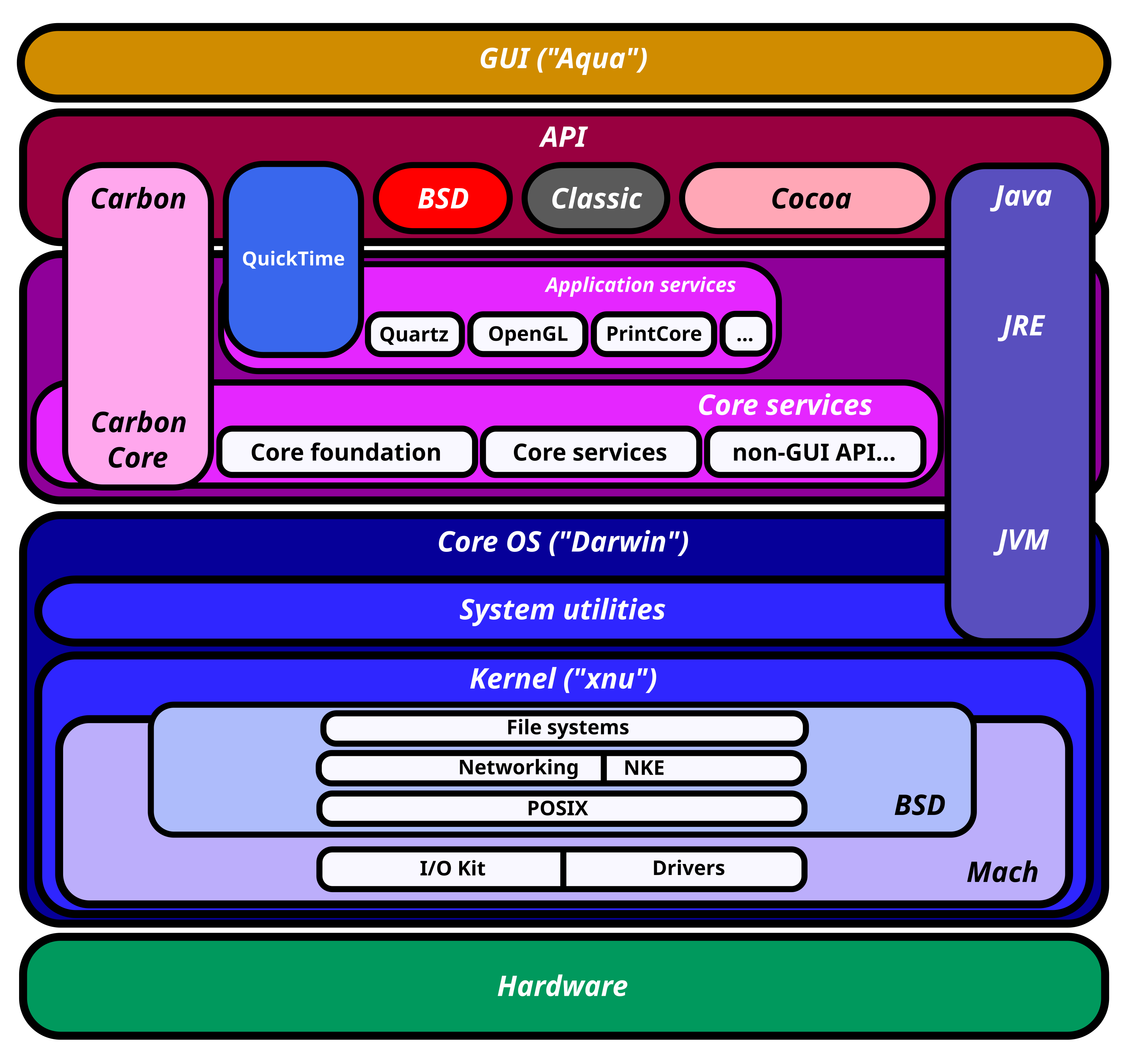
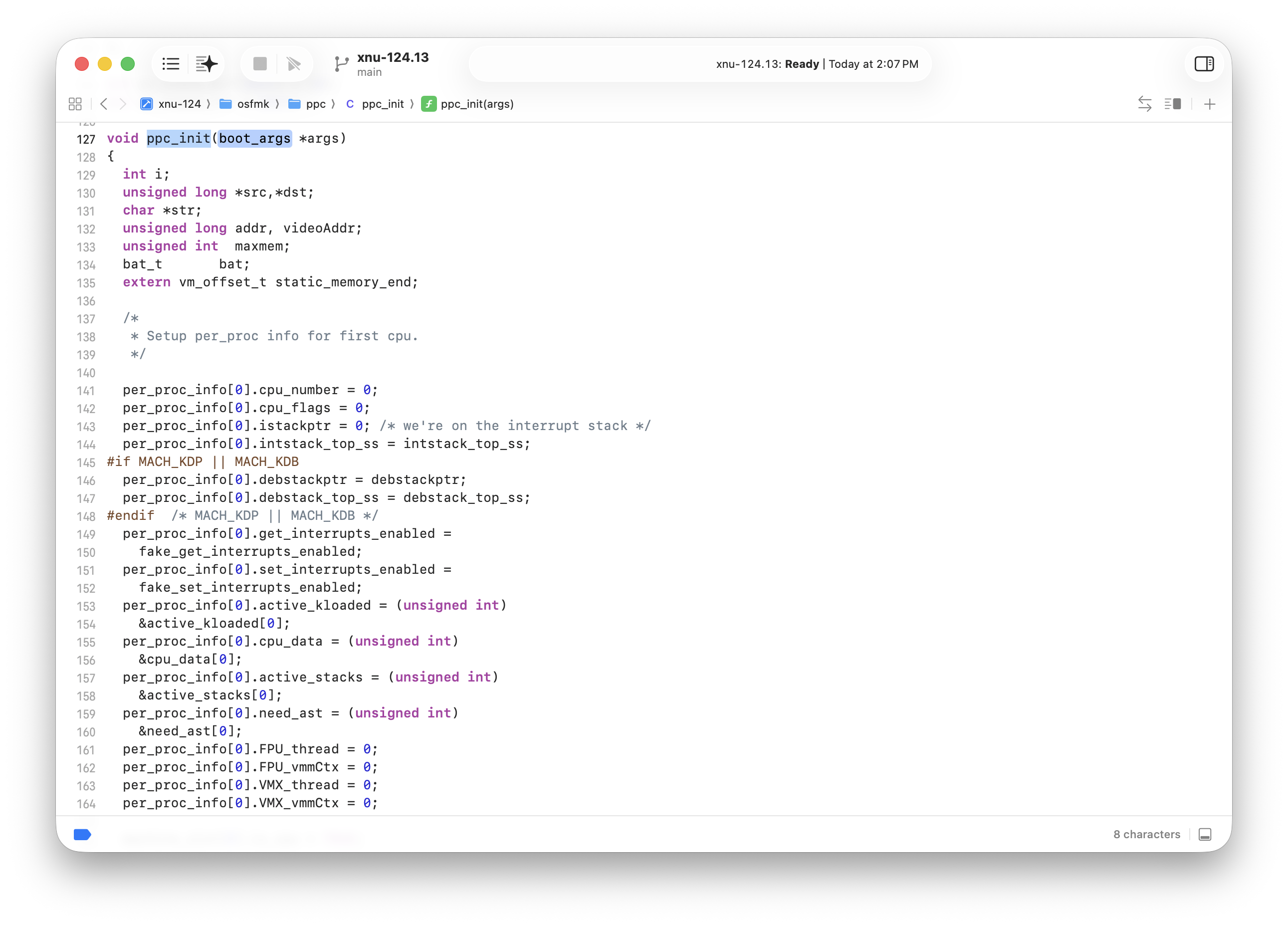
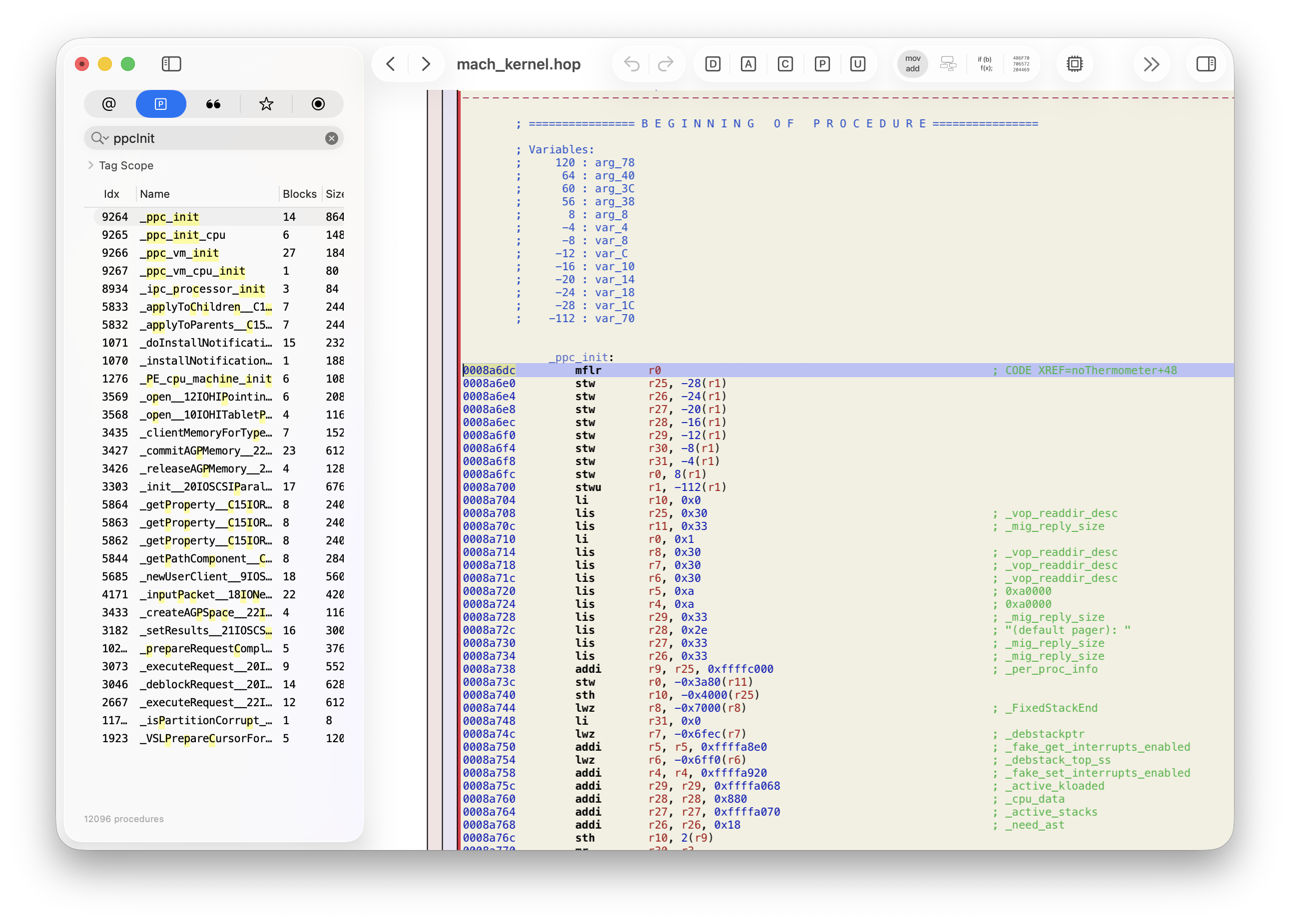
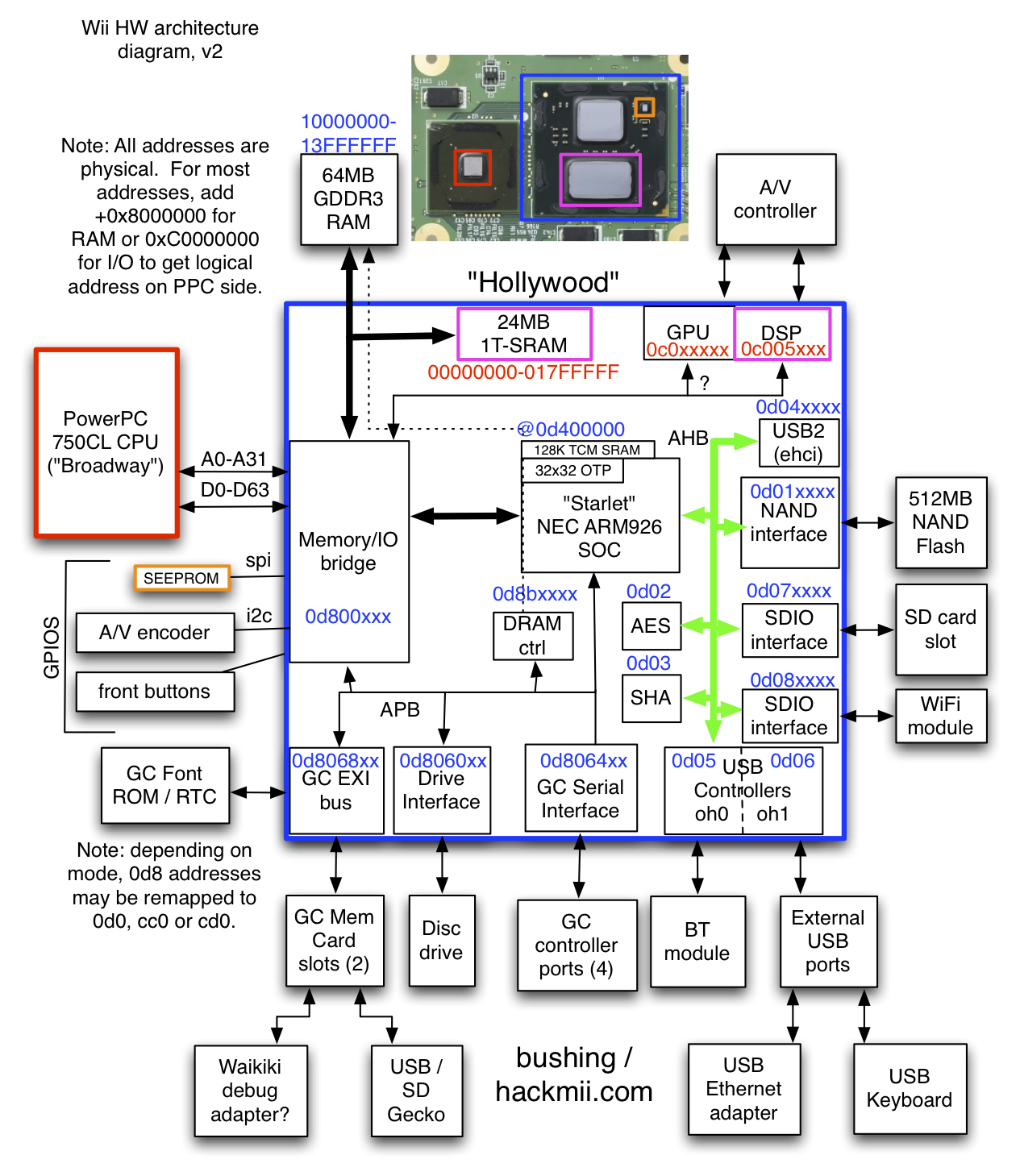
The Wii’s Hollywood chip, a 729 MHz PowerPC 750CL derived from IBM’s Gekko in GameCube, shares DNA with Apple’s pre-Intel Macs. OS X Tiger targeted PowerPC G3/G4/G5 processors, making the architecture match straightforward. Quux patched the XNU kernel, customized the bootloader, and mapped Wii’s 88MB total RAM (24MB fast MEM1 + 64MB MEM2) to OS X’s memory model. Hollywood’s GPU handles basic 2D via custom drivers, but 3D acceleration remains absent.
Key hurdles included Wii’s locked bootrom and Hollywood’s non-standard features like its DMA engine and Hollywood Macro processor. Quux bypassed these with a custom boot0 stage and Priiloader for unsigned code execution. The result: Tiger boots to login in under a minute, idles at 40-50% CPU, and runs lightweight apps. Benchmarks show Geekbench scores around 200 single-core, comparable to a 400 MHz G3 iMac—playable for era software, but expect lag in anything intensive.
Technical Deep Dive
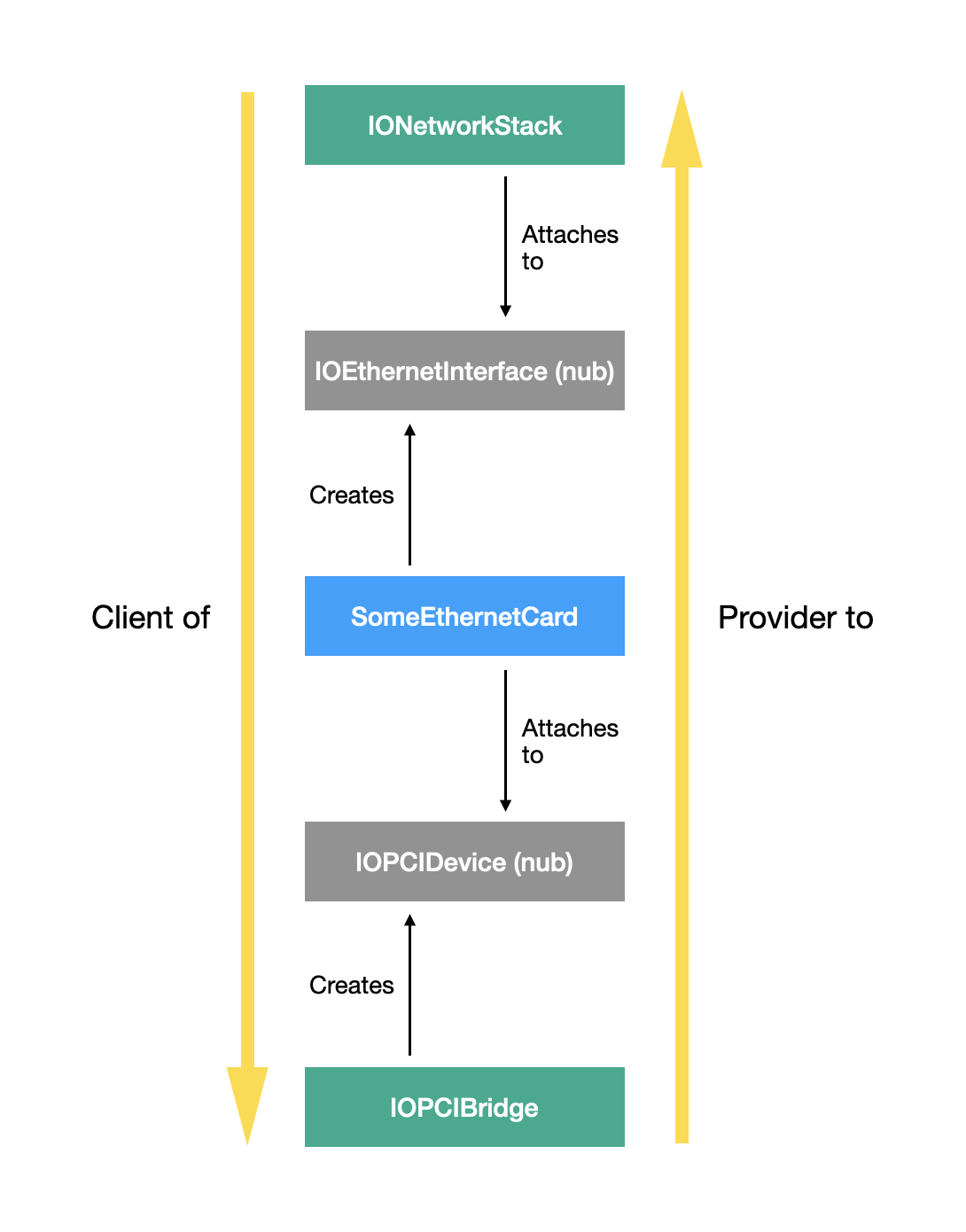
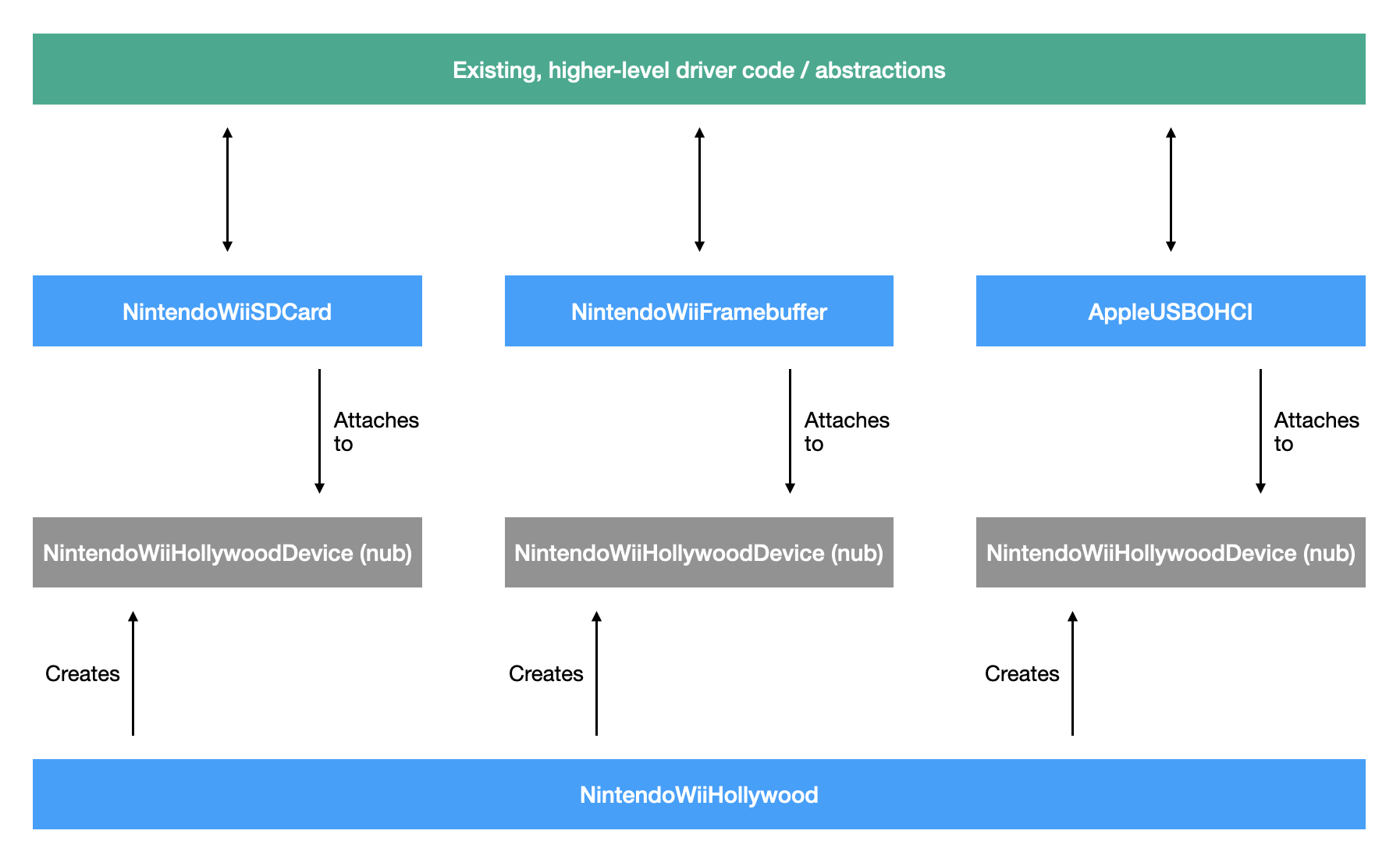
Source code lives on GitHub under quux’s repo. Core changes hit OSFMK for PowerPC interrupts and IOKit for Wii peripherals. WiiMote maps to keyboard/mouse via Bluetooth stack hacks; USB ports drive storage and Ethernet adapters. No Wiimote nunchuk as trackpad yet, but IR sensor experiments hint at future input tricks.
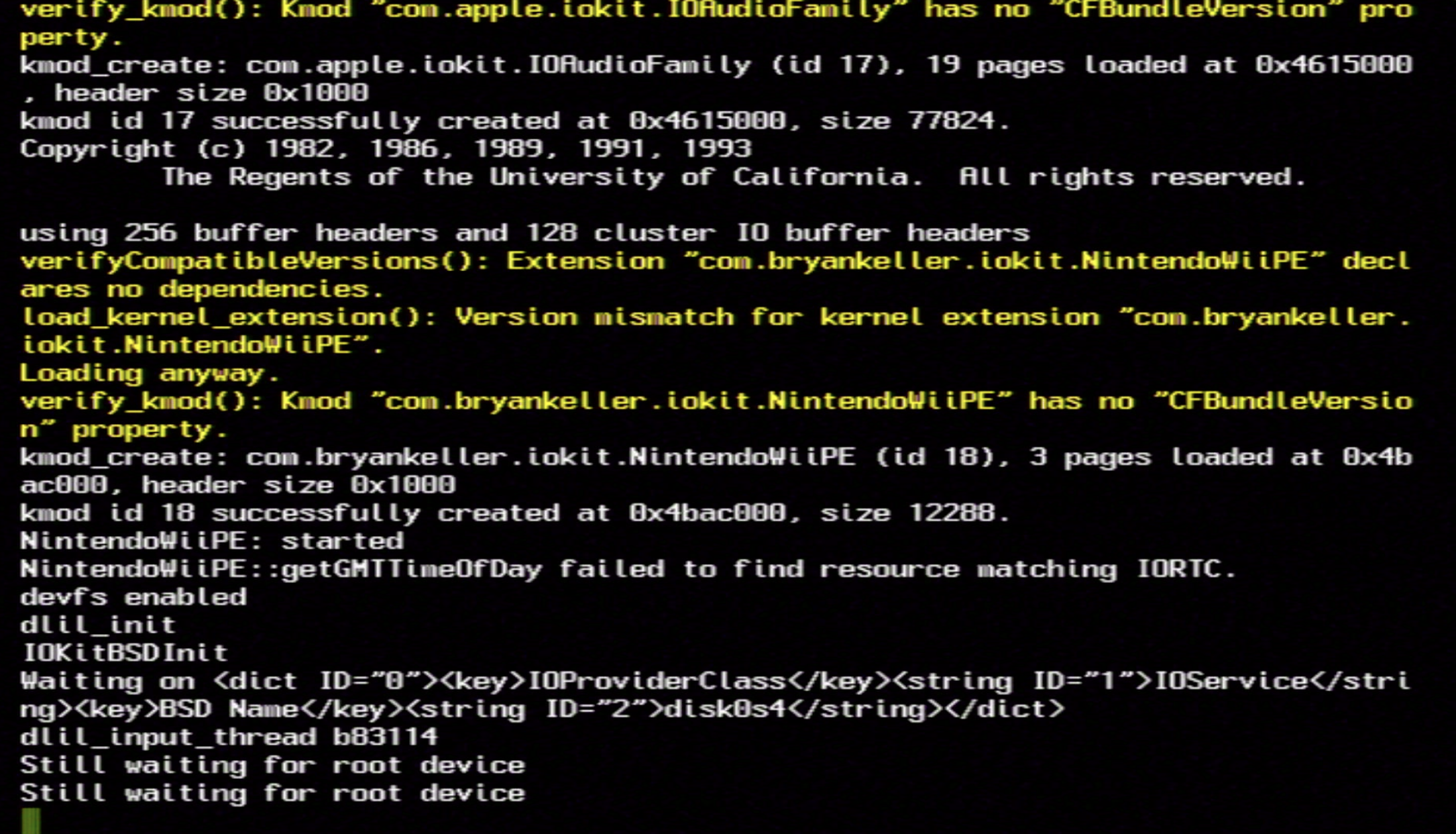
# Example boot sequence from logs
[BootROM] Priiloader loaded
[Stage2] XNU kernel patched, MEM1=24MB mapped
[Kernel] Darwin 8.11.1 booted
[X11] Hollywood 2D mode enabled, 640x480@60Hz
Performance caps at Wii’s limits: no SMP (single core), thermal throttling after 30 minutes, and SD card I/O at 10-15 MB/s. Audio works via custom OSS drivers; video output sticks to composite/component.
Why This Matters
This port exposes the Wii’s squandered potential. Nintendo crippled Hollywood for cost—sixteen times the GameCube’s power, yet throttled for games. Homebrew hackers already run Linux (via Broadway), but OS X unlocks thousands of PPC binaries: old Adobe Suite, Xcode 2.0, even Quake III compiles.
Implications ripple to security research. Wii’s IOS exploits inform modern ARM reversing; PowerPC Darwin code aids Apple Silicon transitions. For preservationists, it future-proofs 2000s software on $20 hardware versus $500 G4 towers.
Skeptically, it’s a stunt: Tiger feels ancient, Wiis die from laser failure, and power draw spikes to 25W under load. No real productivity—browsing 2005 web fails on modern sites. Yet it proves determination beats hardware limits. Tinkerers gain a blueprint for ports like AmigaOS or BeOS. In a world of locked-down consoles, this reminds us: with NAND access and elbow grease, any box runs what you will.
Grab a Wii, flash Priiloader, clone the repo, and boot Tiger. Total cost: under $50. Why matters? It democratizes computing history, sharpens reverse-engineering skills, and pokes holes in “obsolete” labels. Nintendo won’t patch it—Wii servers died in 2018.