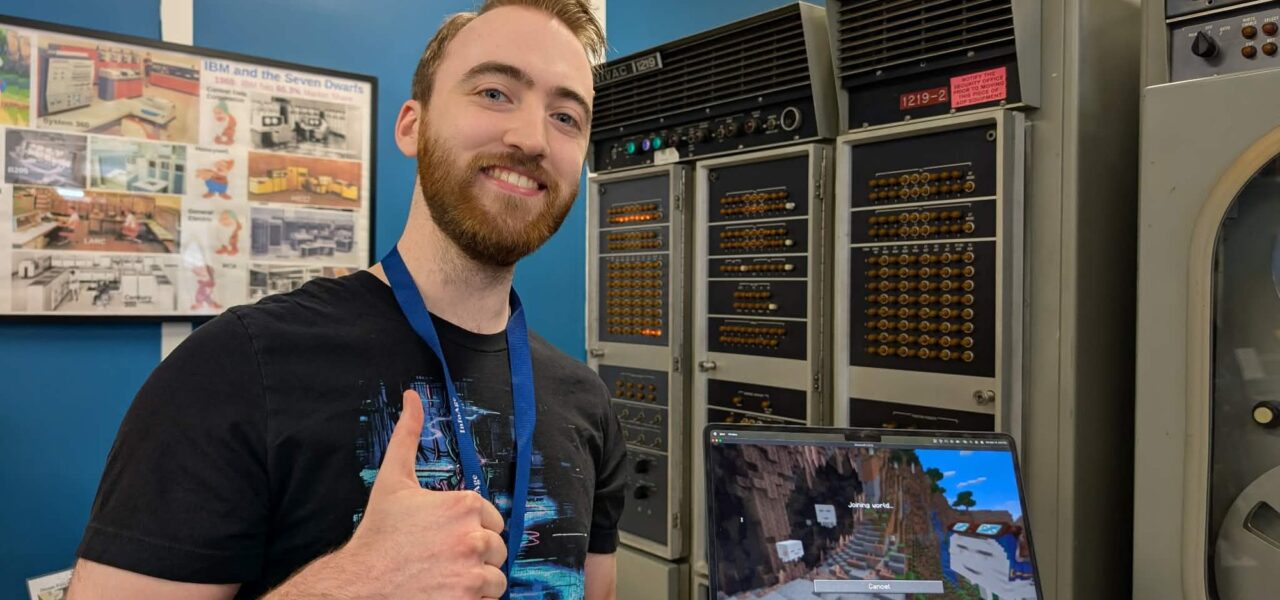
Engineers have booted a Minecraft server, an NES emulator, and even Curve25519 encryption on a 1960s UNIVAC 1219B computer. This machine runs at 250 kHz with just 90 KB of RAM—less power than a modern smartwatch. The feat, after eight months of work, pushes vintage hardware to run code from web servers to AI chatbots like ELIZA.
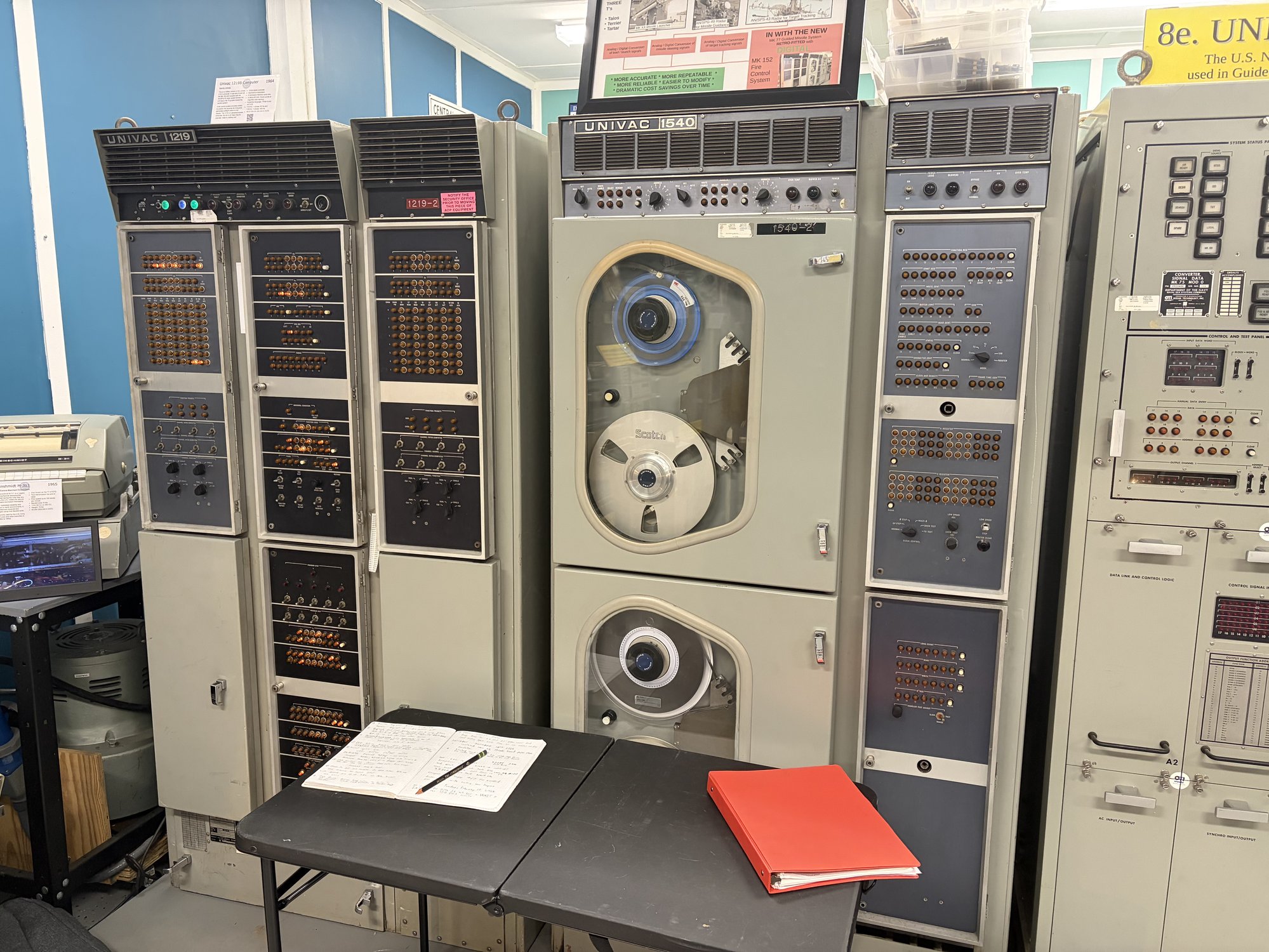
The UNIVAC 1219B, built for Navy radar processing and artillery control, defies modern programming norms. Its 18-bit words aren’t a power of two, forcing awkward memory handling. It uses ones’ complement arithmetic with quirks like signed zeros that demanded reverse engineering. Registers are scarce: a 36-bit A register (split into 18-bit AU and AL) and an 18-bit B. Core memory totals 40,960 words, banked across 10 segments—you preconfigure which bank instructions target.
Hardware Constraints in Detail
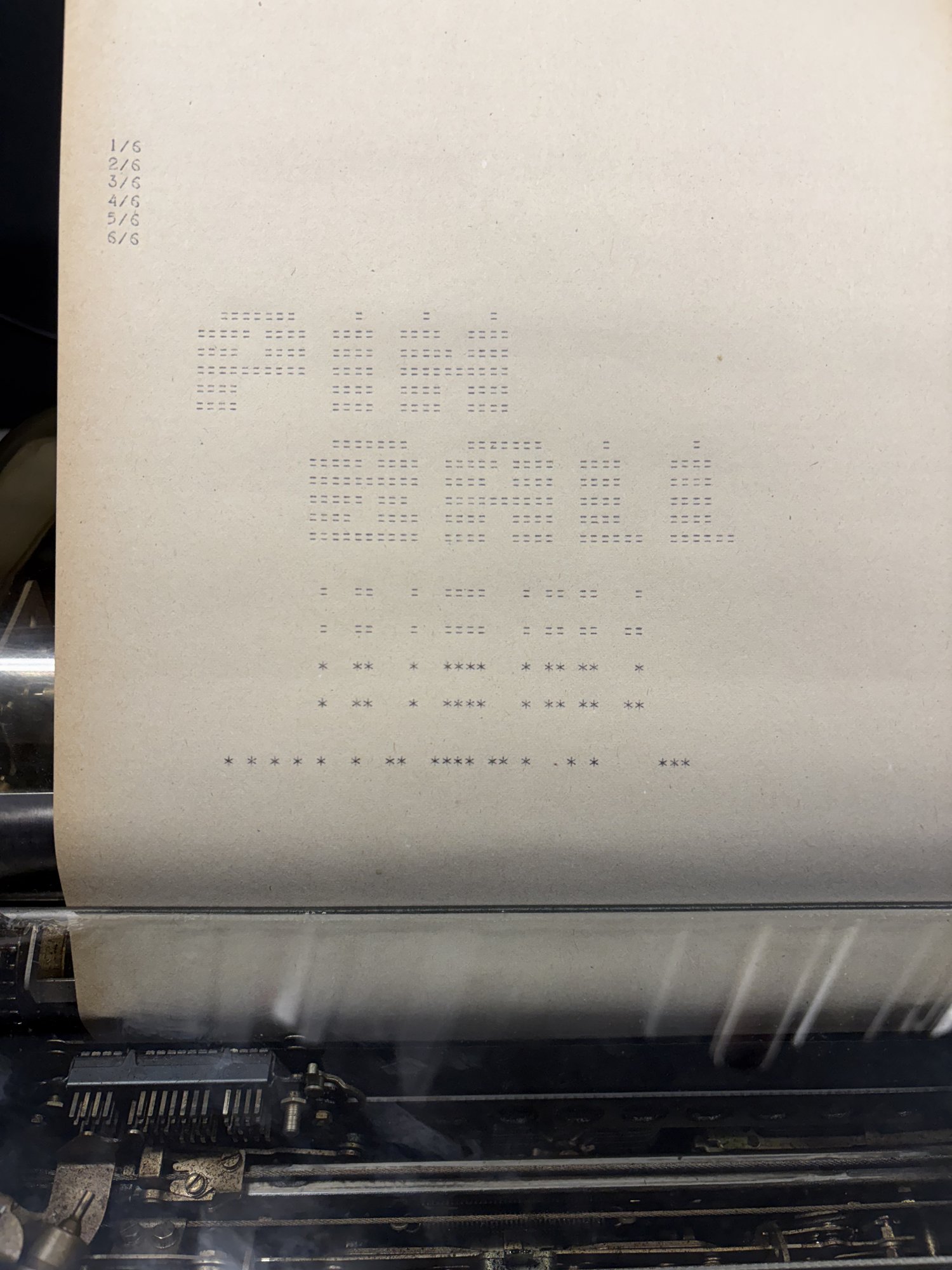
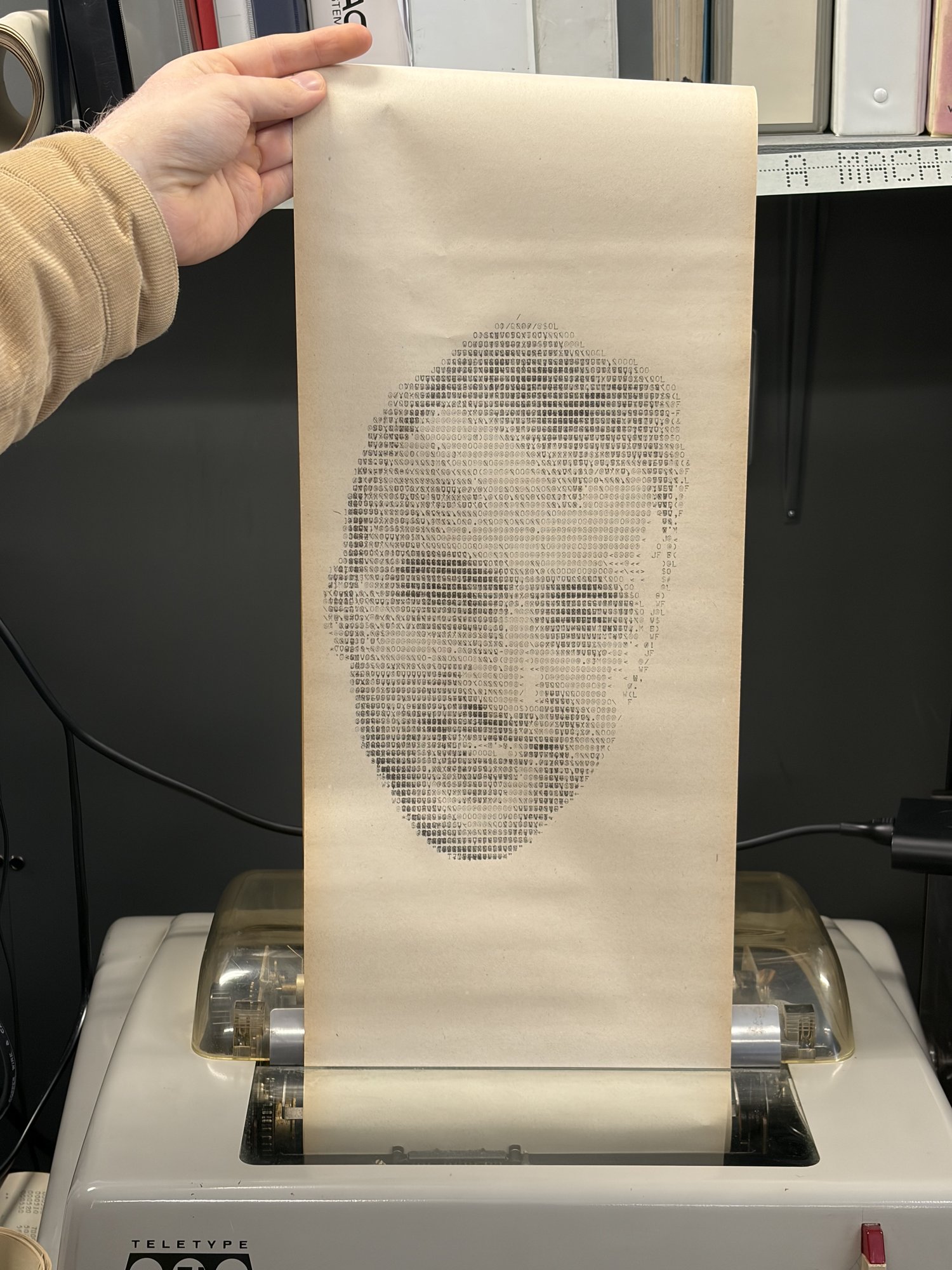
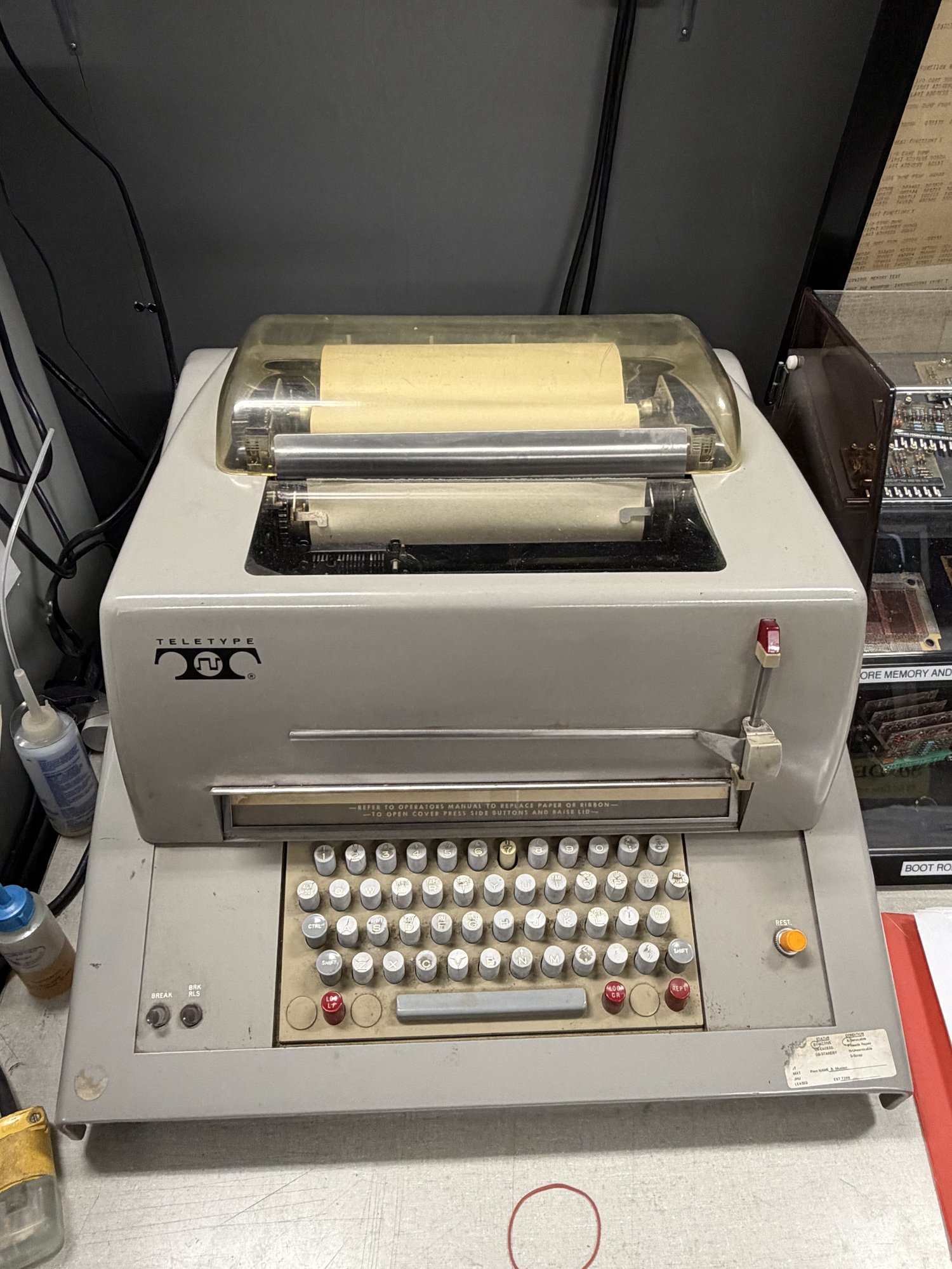
Only two UNIVAC 1219Bs survive, both salvaged from Johns Hopkins University by the Vintage Computer Federation. This operational unit pairs with a teletype for input/output—everything prints on paper as stdin/stdout. No graphical display; a “selfie” used overstrike printing, layering characters for crude images. Magnetic tape handles bulk storage, but it’s semi-functional.
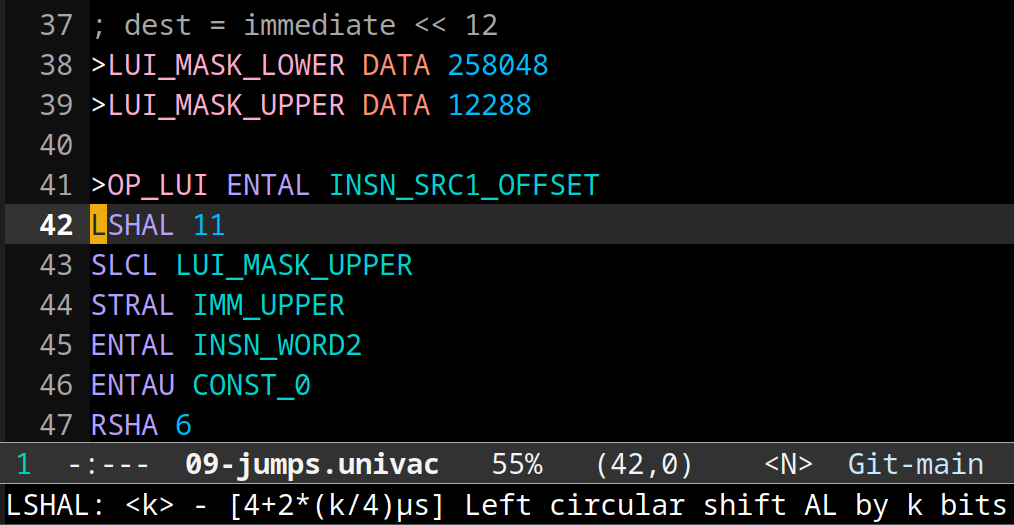
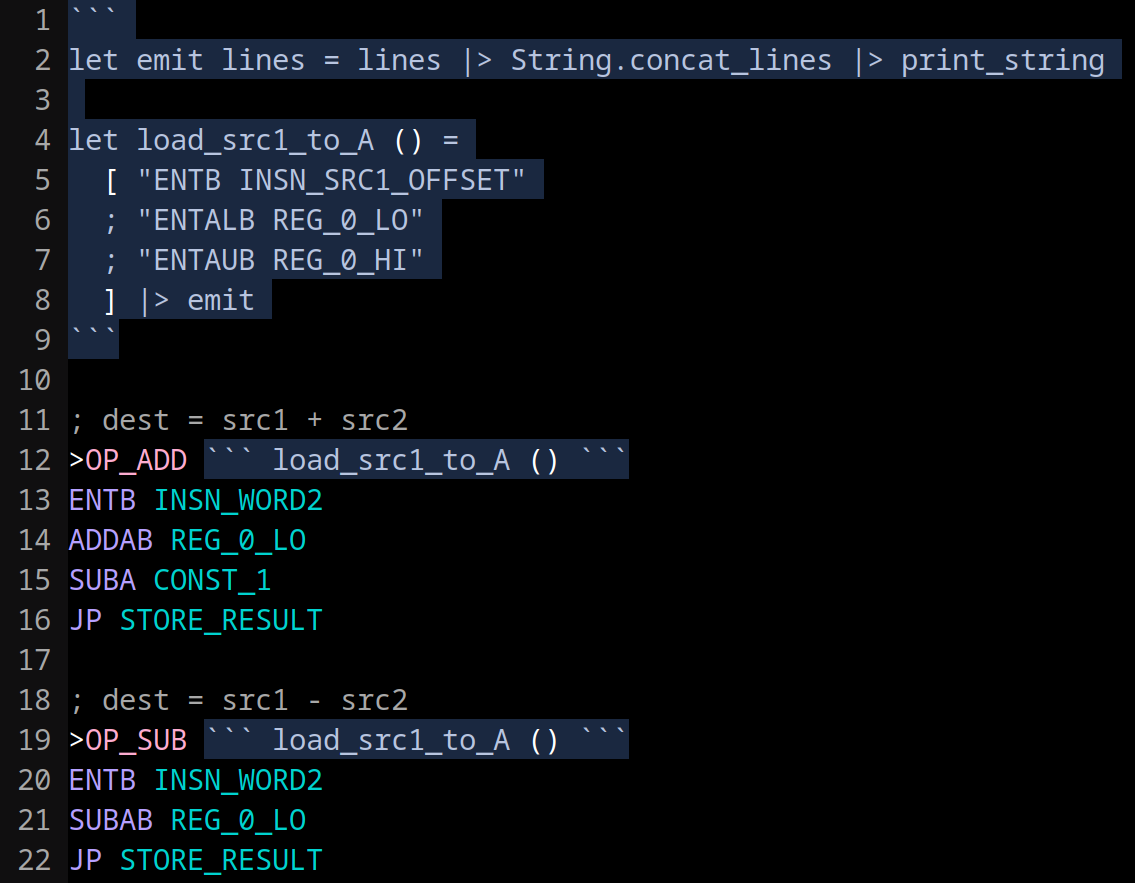
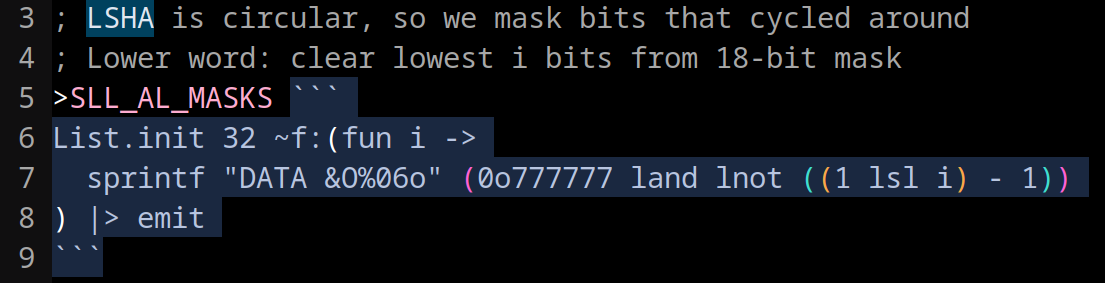
Pre-project software was limited to hand-assembled code. The team targeted C compilation to unlock broader development. They succeeded, running:
- Minecraft server (text-based, teletype-compatible)
- NES emulator (rendered Pinball’s first frame)
- OCaml programs
- Web server
- Curve25519 + AES encryption
- BASIC interpreter
- Games: Oregon Trail, Wordle, Battleship
- ELIZA chatbot
Source code is public on GitHub (link in original post). TheScienceElf’s video documents the demos.
From Inspiration to Execution
The project sparked at VCF East 2025. Visitors saw Bill, Steven, and Duane’s restored machine—flashing lights, teletype clatter, oil scent. The team, obsessed with extreme optimization, aimed beyond fizzbuzz: NES emulation, functional languages, crypto on 90 KB.
Reverse engineering filled gaps in 1960s docs. Bank switching, ones’ complement edge cases, and 18-bit alignment ate months. Yet they compiled C, proving the architecture bendable for modern tasks.
Why This Matters
This isn’t nostalgia theater. It spotlights optimization’s limits in resource-starved environments—think IoT devices, satellites, or embedded crypto wallets. Modern chips pack billions of transistors; the UNIVAC squeezed utility from thousands. Running Curve25519 (elliptic curve for secure key exchange) on it echoes blockchain’s early days on air-gapped machines.
Security angle: ones’ complement invites overflow bugs absent in two’s complement. Banked memory mimics segmented architectures vulnerable to exploits if mishandled. Lessons apply to legacy systems still in use, like industrial controls.
Economically, it values preservation. VCF’s rescue prevented total loss of a Navy-era engineering marvel. UNIVAC’s lineage traces to ENIAC-era computers; this 1219B (circa 1968) processed real-time signals when 250 kHz was bleeding-edge.
Skeptically, demos are constrained—no full Minecraft worlds or fluid NES gameplay on paper tape. Teletype limits interactivity to baud rates under 100 bits/second. Still, compiling OCaml or a web server (serving static pages?) on 90 KB beats any emulator—it’s native execution.
Implications ripple to finance/crypto: secure comms on minimal hardware matter for cold storage or air-gapped signing. Push further, and you model quantum threats on classical relics. The project sets a benchmark: with grit, 1960s iron runs 2020s code. Source awaits hackers to iterate.