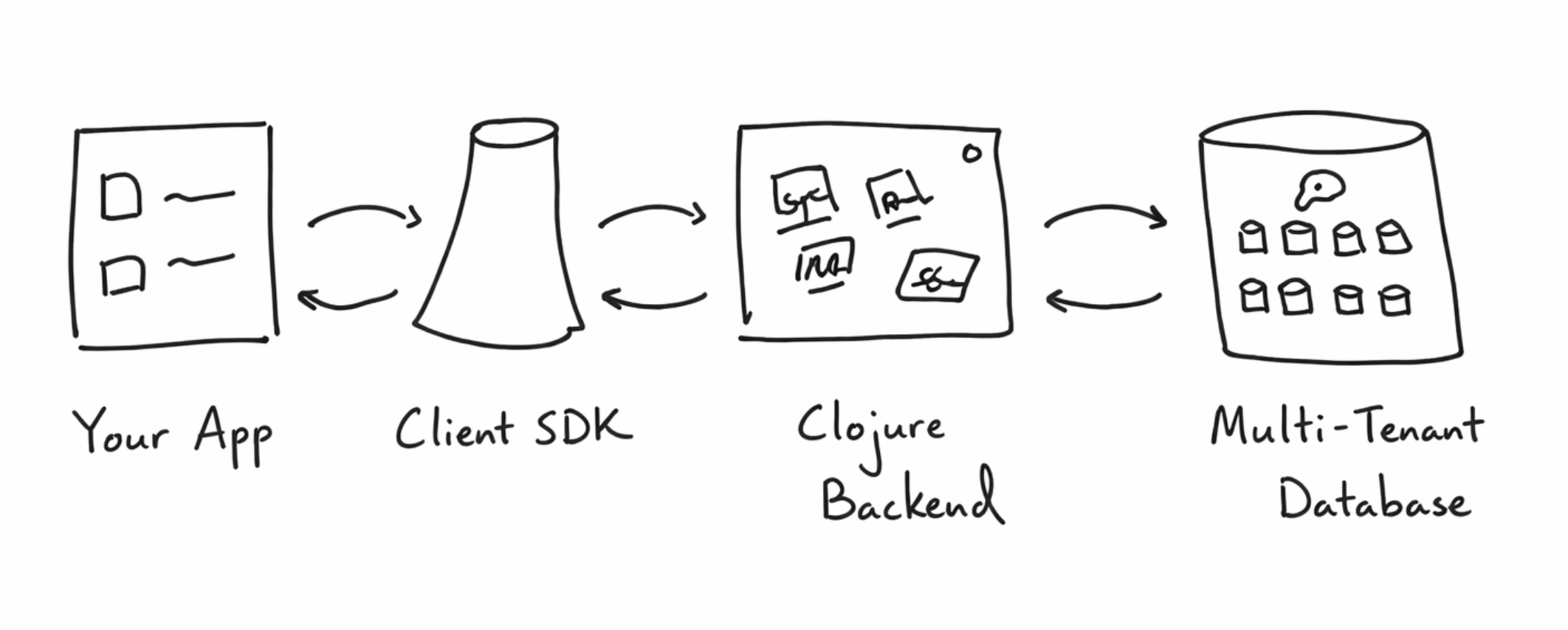
Instant 1.0 launches as a backend service tailored for apps built with AI coding tools. Developers using Cursor, Replit AI, or v0 can now deploy full-stack apps without wrestling with servers, databases, or auth. You configure everything in a single YAML file, point your frontend to their API endpoint, and scale automatically. This hits Hacker News’ front page, sparking 200+ comments on whether it truly simplifies AI-driven development or just repackages Firebase.
The core pitch: AI excels at spitting out React or Next.js frontends, but backends remain a grind—setting up Postgres, handling JWT auth, managing storage. Instant eliminates that. It bundles a Postgres database, real-time subscriptions via WebSockets, user authentication (email/password, GitHub, Google), file uploads to S3-compatible storage, and even cron jobs. Pricing starts free for up to 100 users and 1GB storage, then $0.10 per active user monthly plus usage-based compute at $20 per 1M requests. No credit card needed to start.
How It Works Under the Hood
Setup takes minutes. Clone their open-source SDK, write a instant.yaml config defining your schema, auth rules, and functions. Deploy with one CLI command:
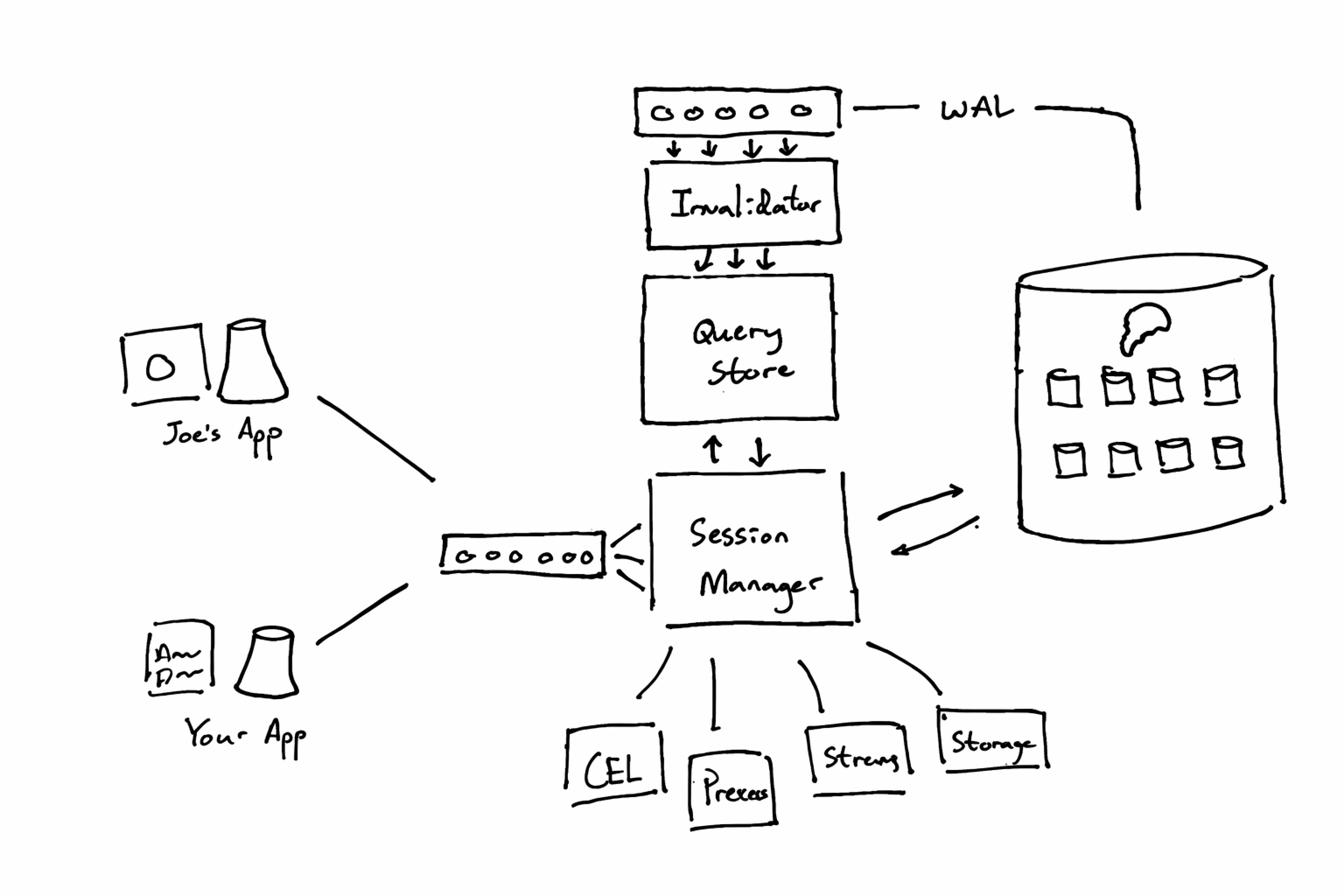
$ npx instantdb@latest deploy Your app gets a subdomain like yourapp.instntdb.com. The backend runs on Fly.io for global edge deployment, with data in Supabase Postgres.
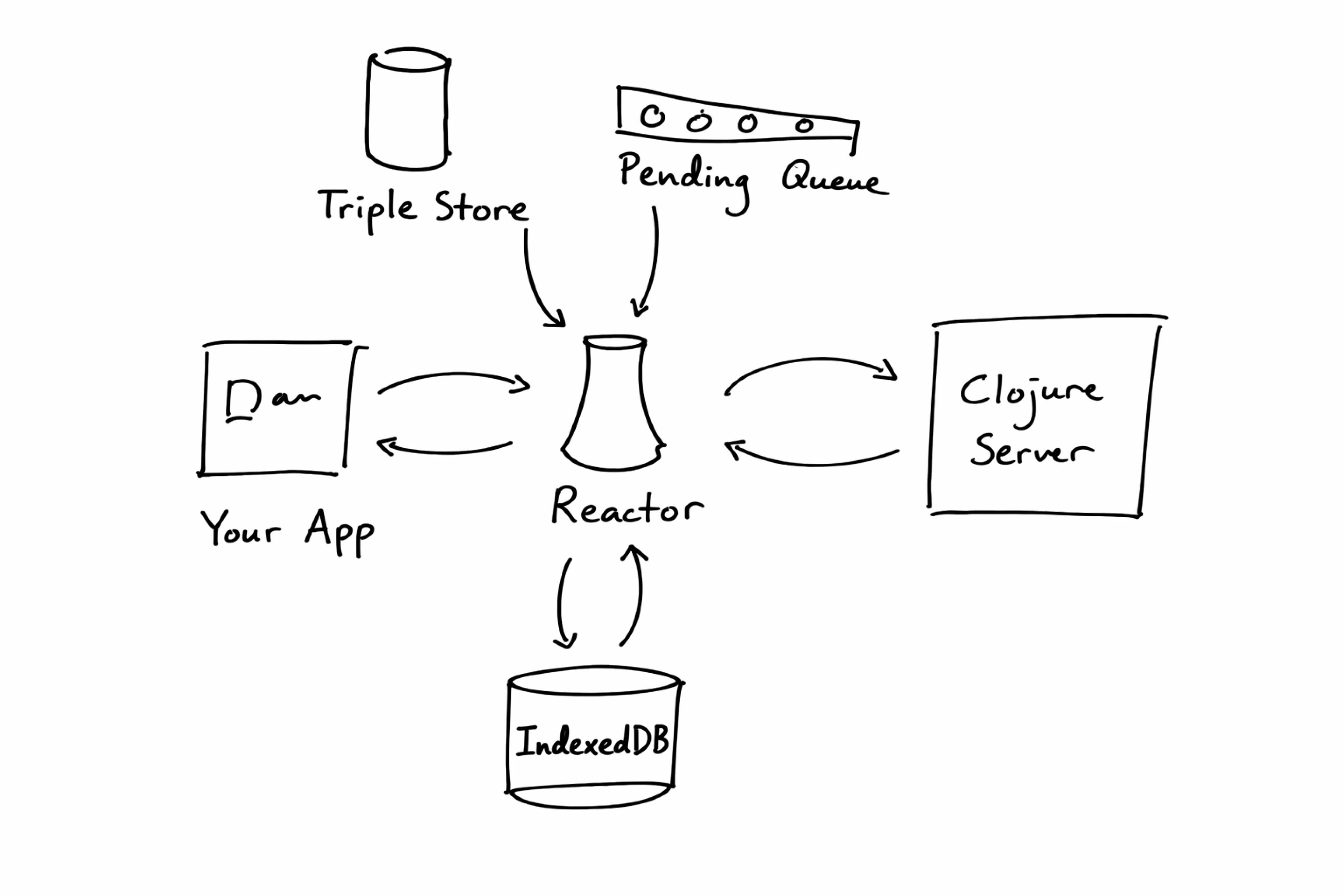
It uses a reactive data model. Client-side queries sync in real-time, like Firebase but SQL-native. Row-level security enforces access via schema-defined policies—no custom server code required. For example, a todo app schema might look like:
todos:
  columns:
    - name: text
    - done: boolean
  permissions:
    create: true
    read: true
    update: { userId: $auth.uid }
    delete: { userId: $auth.uid }
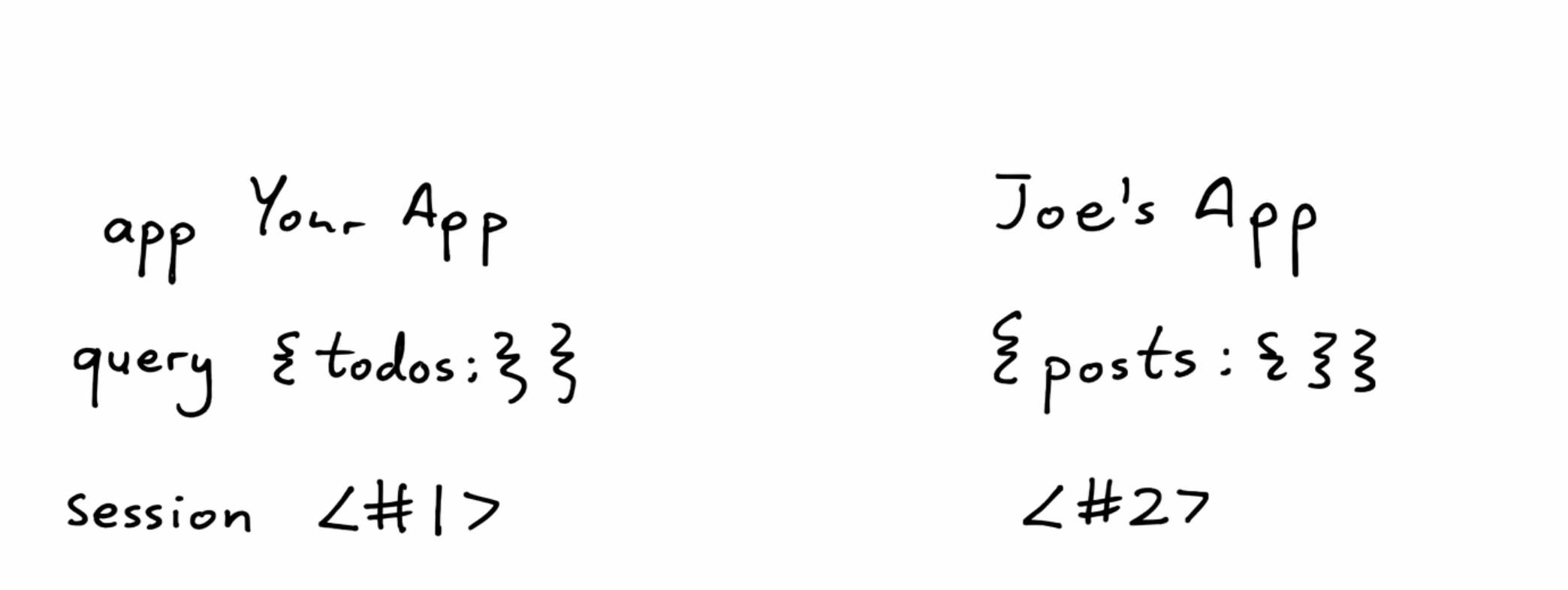
Frontend code in React hooks it via their SDK: useQuery('todos', { where: { userId: user.id } }). Mutations propagate instantly across clients.
Strengths, Skepticism, and Real-World Fit
Instant shines for prototypes and indie apps. HN users praise its DX—zero boilerplate means AI-generated UIs connect seamlessly. One commenter built a multiplayer game in hours. It scales to thousands of users; Fly.io handles bursts, and Postgres manages complex queries better than NoSQL alternatives like Firebase Realtime DB.
But skepticism abounds. Vendor lock-in looms: your schema and data live in their ecosystem, migration paths unproven. Security? Row-level policies help, but HN threads flag potential over-privileging for non-experts. No advanced features like GraphQL or custom endpoints yet—it’s HTTP APIs only. Compare to Supabase (similar stack, more mature) or PocketBase (self-hosted, free). Instant’s AI angle feels gimmicky; any JS app works, not just AI-coded ones.
Performance benchmarks from early testers: 50ms query latency globally, 99.9% uptime since beta. Costs stay low—$5/month for a 1K-user chat app versus $50+ on AWS. Open-source SDK invites scrutiny, but the hosted service is proprietary.
Why this matters: AI coding tools democratize frontends, but 80% of dev time historically goes to backend plumbing (per Stack Overflow surveys). Instant slashes that to 5%, enabling solo makers to ship MVPs faster. Expect a flood of AI-built apps—SaaS tools, games, dashboards—challenging no-code platforms like Bubble. Risks? Lower-quality codebases if devs skip architecture. For security pros, it centralizes trust in one provider; audit their policies.
In crypto and finance circles, this fits DeFi dashboards or trading bots. Pair with WalletConnect for auth, query on-chain data via functions. But for high-stakes apps, self-host alternatives like Appwrite. Instant 1.0 isn’t revolutionary—it’s evolutionary, plugging the AI dev gap. Track it: if adoption hits 10K apps in six months, it reshapes indie dev economics.