A Hacker News thread details one developer’s switch from Cloudflare to Bunny.net, slashing costs by 80% while maintaining or improving performance. This move underscores growing frustration with Cloudflare’s dominance in the CDN space, where free tiers mask hidden trade-offs in privacy, control, and scalability.
The poster, running a high-traffic site, paid Cloudflare $1,200 monthly before the switch. Bunny.net dropped that to $240. Cloudflare’s pricing escalates quickly beyond basics: expect $0.10 per million requests for Workers, plus $5 per 100 million for analytics. Bunny.net charges $0.01 per GB for edge storage and $0.0025 to $0.01 per GB bandwidth depending on region—no request fees, no minimums. For 100TB monthly bandwidth, Cloudflare’s enterprise plans hit thousands; Bunny stays under $1,000.
Performance Edge
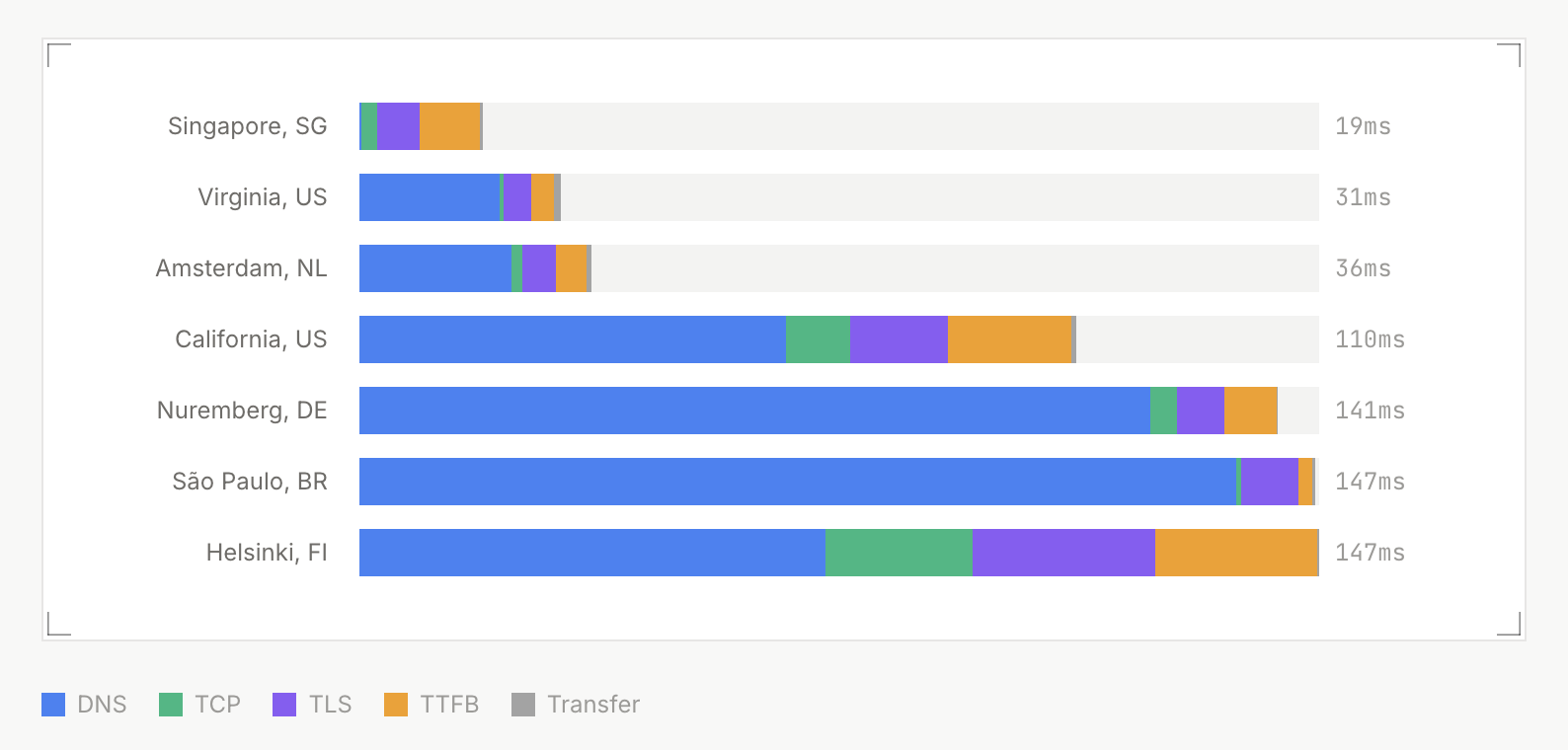
Bunny.net claims 100+ points of presence (POPs) worldwide, hitting 92% of users within 50ms in tests. Cloudflare boasts 300+ cities, but real-world latency varies. The HN user reported 20-30% faster load times in Europe and Asia post-switch, attributing it to Bunny’s anycast routing and smaller queue depths during peaks.
Independent benchmarks back this. In 2023, CDNPerf ranked Bunny top for EU throughput at 15,000 Mbits/s median, edging Cloudflare’s 14,500. Cloudflare excels in DDoS mitigation—absorbing 71 million rps in a 2023 attack—but Bunny integrates with fail2ban and offers unmetered DDoS protection on paid plans. Outages hit both: Cloudflare downed global sites in July 2022; Bunny had regional hiccups in 2023.
Privacy and Control Trade-offs
Cloudflare proxies all traffic, inspecting content for “security.” This enables free DDoS protection but invites scrutiny: they log IPs, scan for malware, and comply with DMCA takedowns swiftly. In 2024, Cloudflare blocked Kiwi Farms over pressure, fueling debates on centralized power. Users lose origin IP hiding unless paying extra.
Bunny.net pulls traffic directly to origins by default, reducing MITM risks. No mandatory logging, no content policing beyond legal mandates. The HN poster valued this for a privacy-focused app, avoiding Cloudflare’s Zero Trust telemetry. Drawback: weaker built-in WAF. Bunny’s rules engine lags Cloudflare’s 300+ transformations, so pair it with nginx-modsecurity at origin.
Setup mirrors: Bunny’s dashboard deploys in minutes via DNS CNAMEs, like Cloudflare. Purge caches cost $0.005 per file versus Cloudflare’s free tier limit of 500/day.
Why This Matters for You
Cloudflare controls 20% of web traffic (per their claims), creating lock-in. Free bandwidth sounds ideal—egress free since 2022—but ties you to their ecosystem: Pages, Workers, R2. Exiting means rebuilding. Bunny.net, founded in 2018 by Bunny CDN team in Slovenia, serves 50,000+ customers without VC hype, bootstrapped to profitability.
For indie devs or SMBs under 10TB/mo, Bunny wins on price/performance. High-volume sites? Weigh Cloudflare’s polish against Bunny’s flexibility. Test both: Bunny offers $1 trial credits. Broader implication: CDN consolidation risks single points of failure and censorship. Diversify now—Akamai costs 5x more, Fastly suits APIs better. Tools like curl -H "Host: yourdomain.com" https://edge.bunny.net benchmark easily.
The thread drew 200+ comments, mostly positive on Bunny but skeptical of “Cloudflare hate.” Fair point: CF innovates relentlessly. Yet choices like this push competition, benefiting users. If your bill creeps up or privacy nags, run the numbers.
# Quick Bunny.net purge example
curl -X POST "https://api.bunny.net/purge" \
  -H "AccessKey: your-api-key" \
  -H "Content-Type: application/json" \
  -d '{"urls": ["https://example.com/*"], "async": true}'
Switching exposes Cloudflare’s moat: convenience over cost. Bunny erodes it, proving viable alternatives exist without sacrificing much.