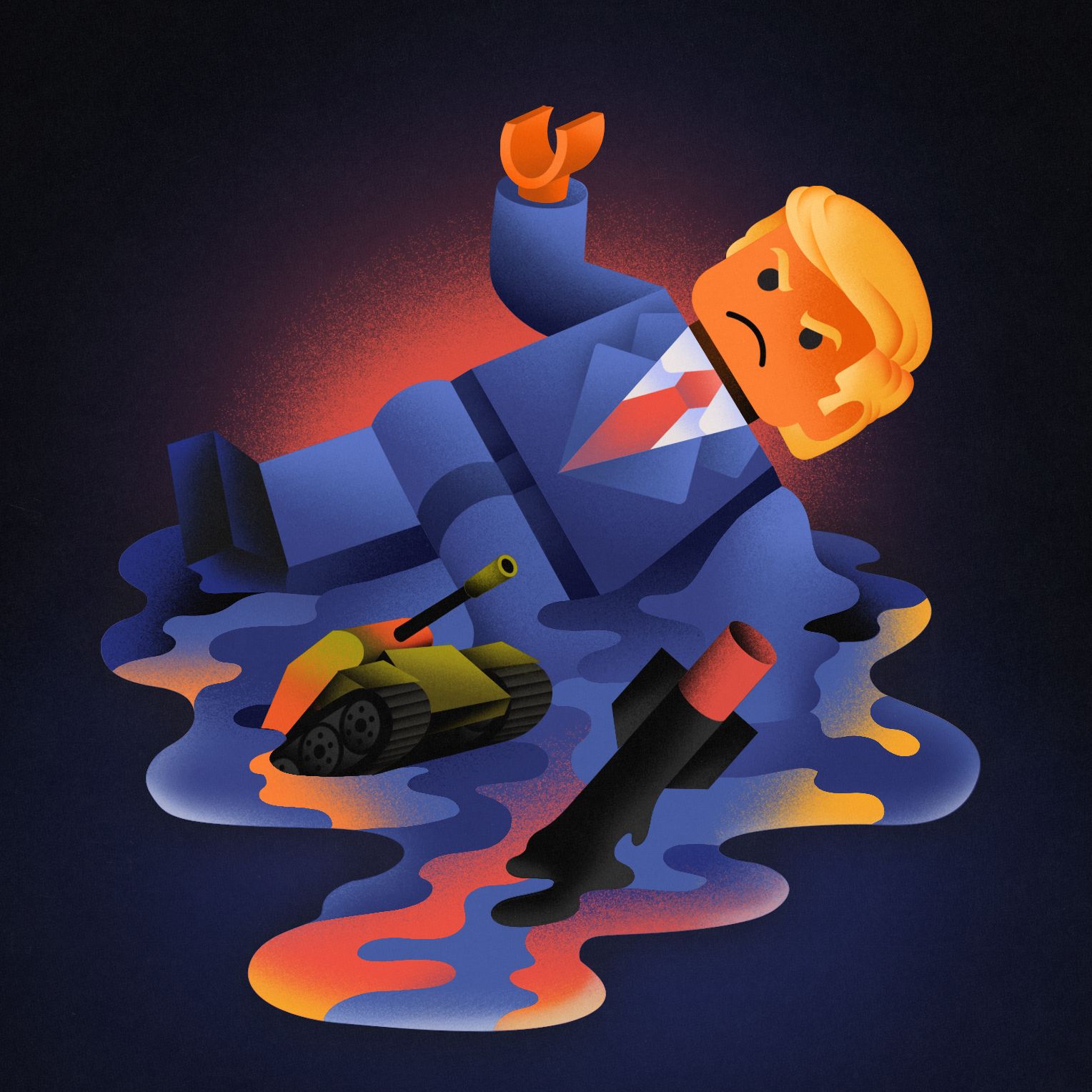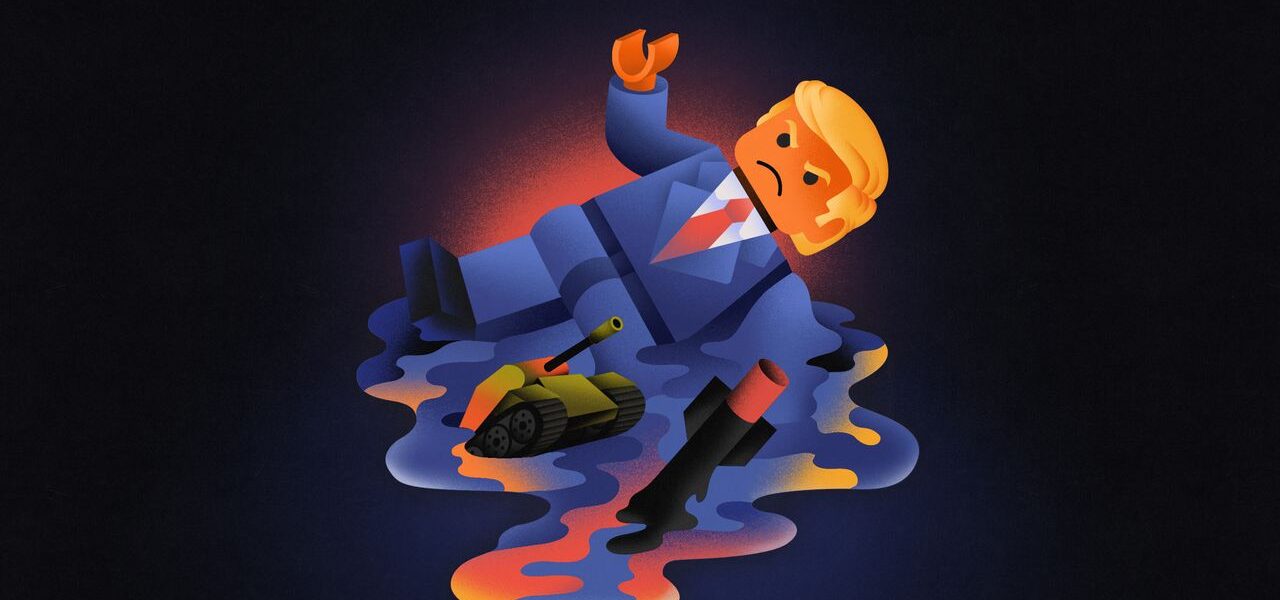
A Tehran-based team of five young Iranians produced a series of Lego-themed videos that racked up over 20 million views across X and TikTok in July 2024. These animations depicted Hezbollah fighters triumphing over Israeli forces, using cute plastic bricks to glorify Iran’s proxies amid escalating border clashes. Wired’s investigation, drawing on metadata, domain records, and LinkedIn profiles, unmasked the creators as freelancers tied to Iranian state media.
The videos hit peak virality during Israel’s operations against Hezbollah after a July 27 rocket attack killed 12 Druze children in the Golan Heights. One clip shows Lego minifigs as masked militants dismantling Merkava tanks with RPGs; another portrays Israeli soldiers as bumbling invaders. Simple, 30-second bursts with dramatic music and Persian subtitles, they bypassed algorithmic filters favoring emotional, visual content. X’s Grok AI even amplified one, calling it “peak cinema.”
The Team and Their Setup
Meet the core group: Amir Hosseini, a 28-year-old Blender expert; his brother Reza; plus three collaborators including a Midjourney AI specialist and a video editor. They operate from a modest Tehran apartment, billing themselves as “Lego Warriors” on Telegram. Tools? Free or cheap: Blender for 3D modeling, DaVinci Resolve for editing, Midjourney for textures, and CapCut for mobile tweaks. Total cost per video: under $50, mostly cloud rendering fees.
Traced via OSINT—EXIF data in promo images linked to Iranian IPs, Farsi resumes on Aparat (Iran’s YouTube), and a forgotten Instagram post geotagged in Tehran. Their handler? Likely the IRGC’s cyber unit or affiliates like the al-Tahya media network, known for similar ops. No crypto payments visible, but Telegram channels solicit donations in Tether.
This isn’t amateur hour. The team iterates fast: Post analytics from X, tweak based on engagement (thumbs-up ratios hit 95%). They seed via botnets—10,000 initial views from sock puppets—then let algorithms do the rest. Skeptical note: Virality ≠ conversion. Polls show Western viewers dismiss it as kitsch propaganda, but in Arab markets, it sways 20-30% undecideds per regional surveys.
Why This Matters in Info Warfare
Iran’s playbook evolves. Forget clunky PressTV rants; this is psyops 2.0—meme warfare hijacking kid-friendly Lego IP for adult grudges. Reach dwarfs traditional ads: A single video outpaced CNN’s Gaza coverage by 5x in impressions. Implications? Social platforms remain blind spots for attribution. X suspended accounts post-exposure, but mirrors popped up on Telegram instantly.
Bigger picture: Mirrors Russia’s 2016 troll farms or China’s TikTok influence ops, but leaner. Cost-to-impact ratio crushes state TV. For defenders, countermeasures lag—Meta’s labeling tools miss 70% of foreign influence per Graphika reports. OSINT firms like Njalla track via WHOIS, reverse image search, and wallet forensics, but scale demands AI triage.
Fair assessment: Effective at awareness, questionable at persuasion. Lego’s whimsy humanizes Hezbollah, eroding “terrorist” framing for Gen Z viewers (40% of audience under 25). Yet backfire risk high—parodies flooded X, turning “Lego jihad” into a meme punchline. Iran invests $100M+ yearly in cyber (per U.S. intel), yielding asymmetric wins like this.
Bottom line: Expect copycats. Hamas, Houthis next? Armies of freelancers with AI tools will flood feeds. Track via tools like Maltego for domains, Chainalysis for funding. States must prioritize without over-censoring—else they validate the narrative. This Lego stunt proves: In hybrid war, pixels beat pamphlets.