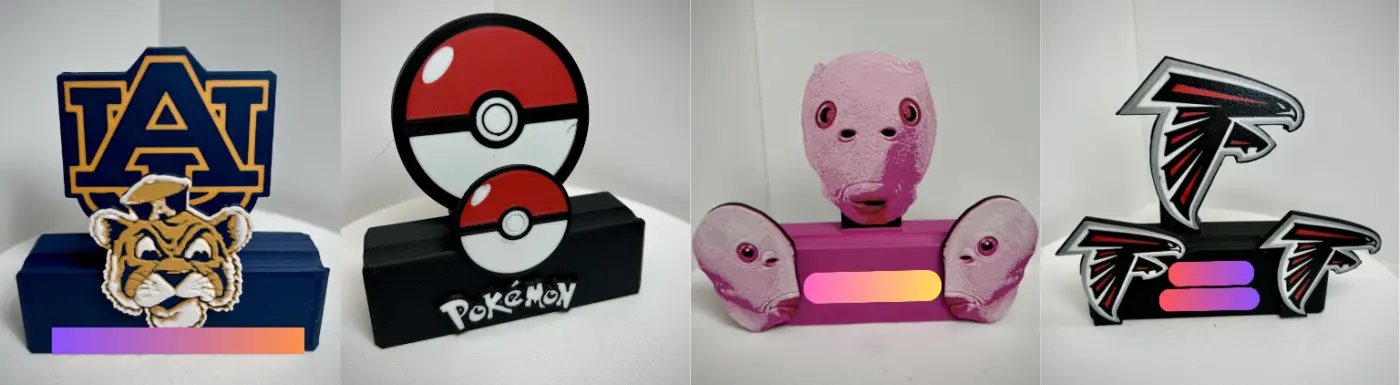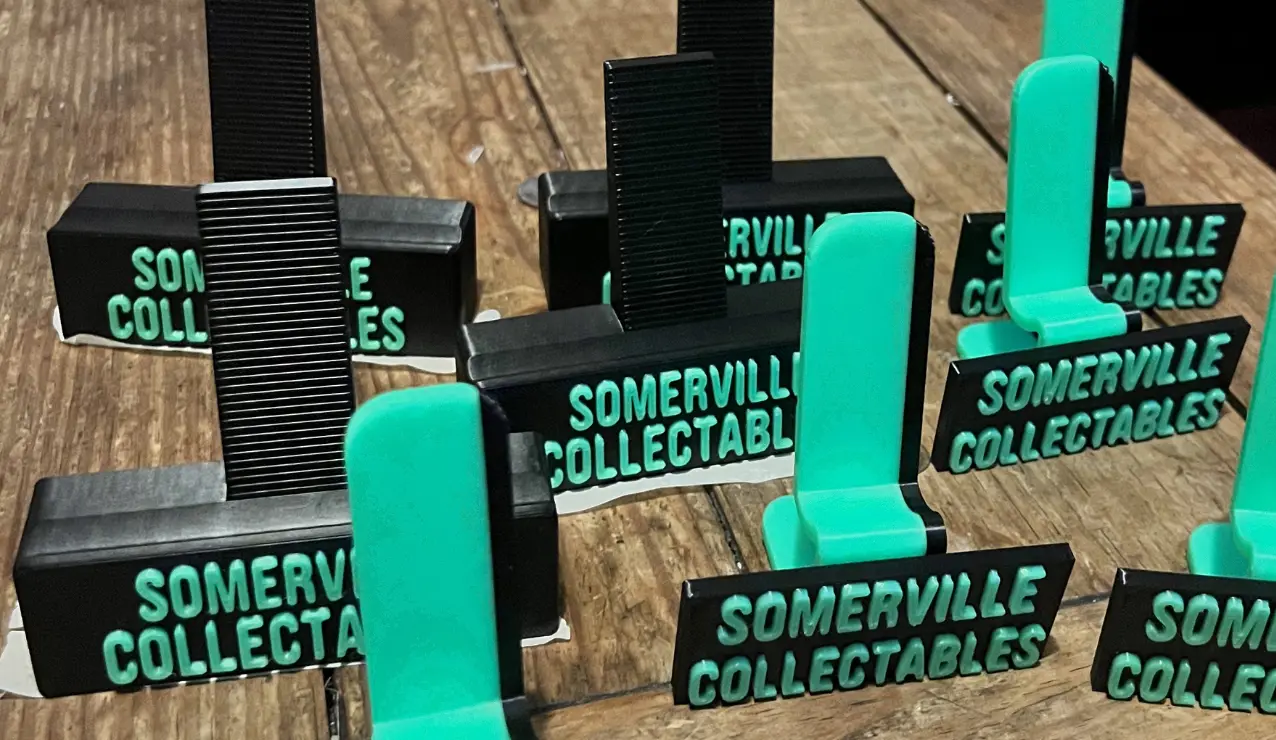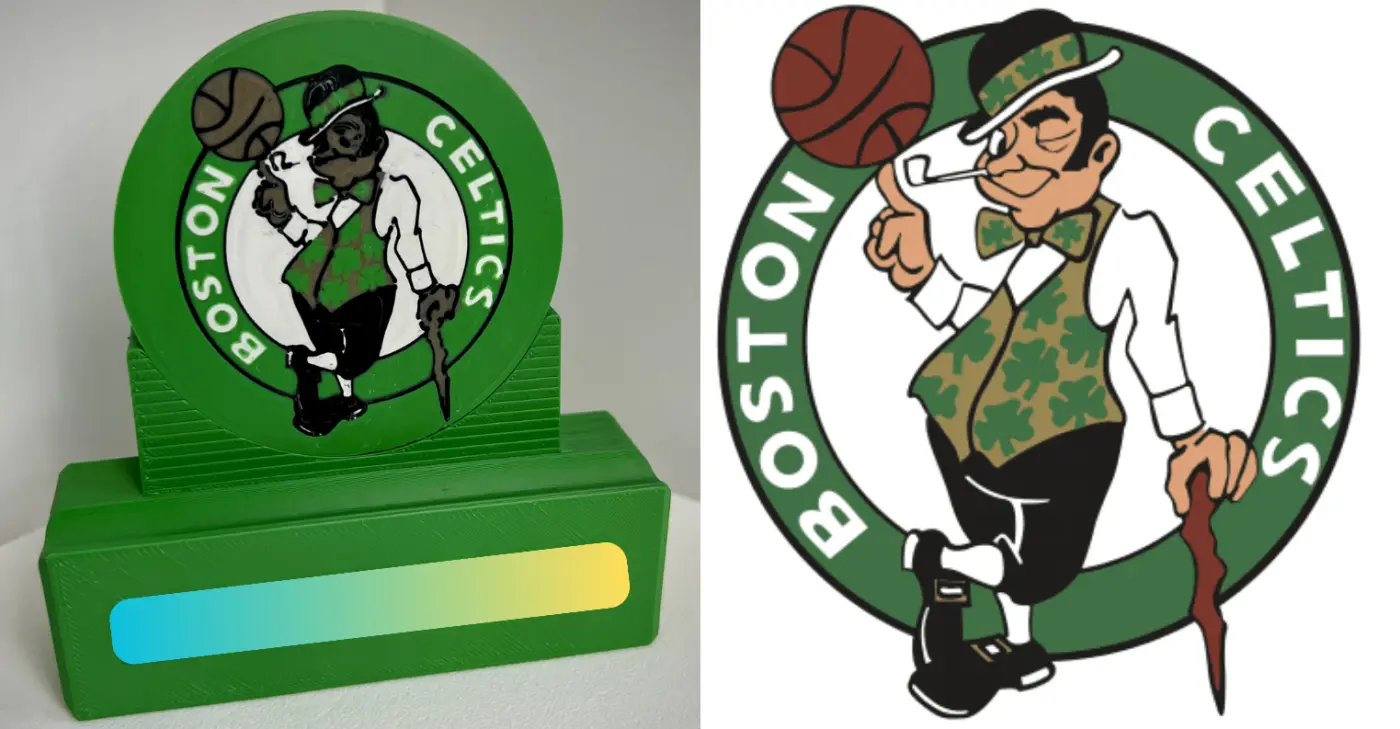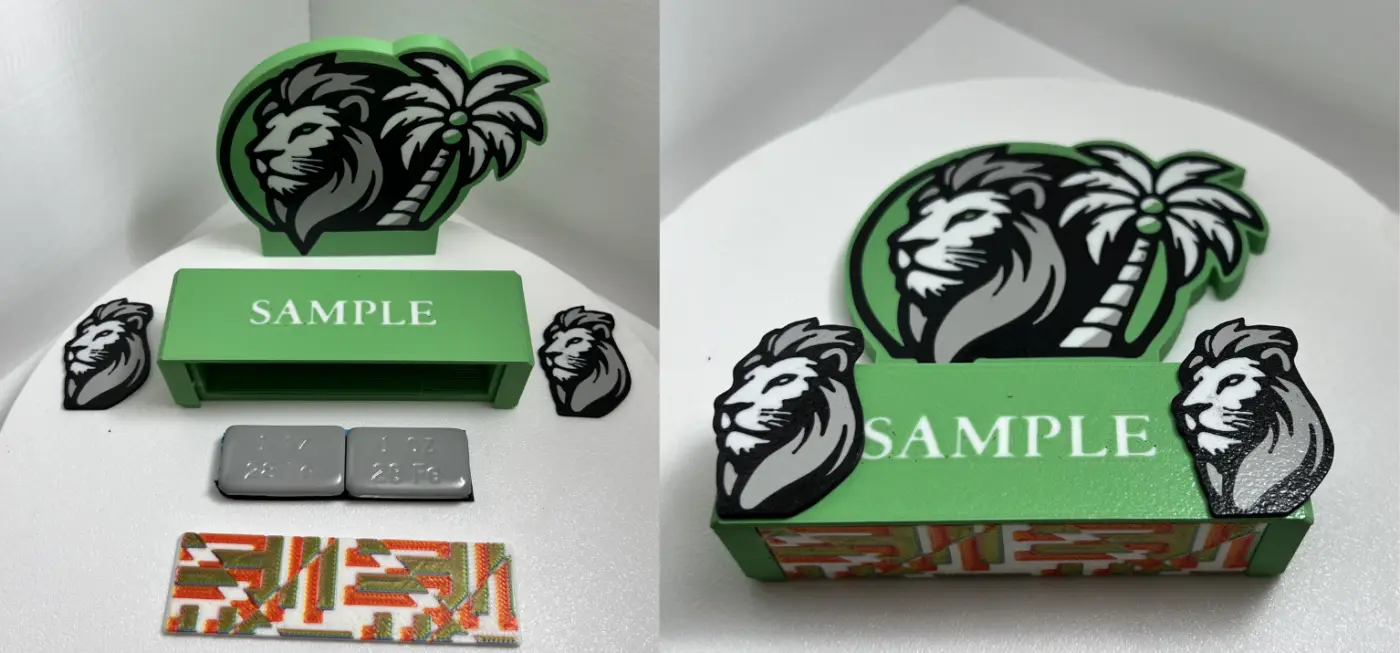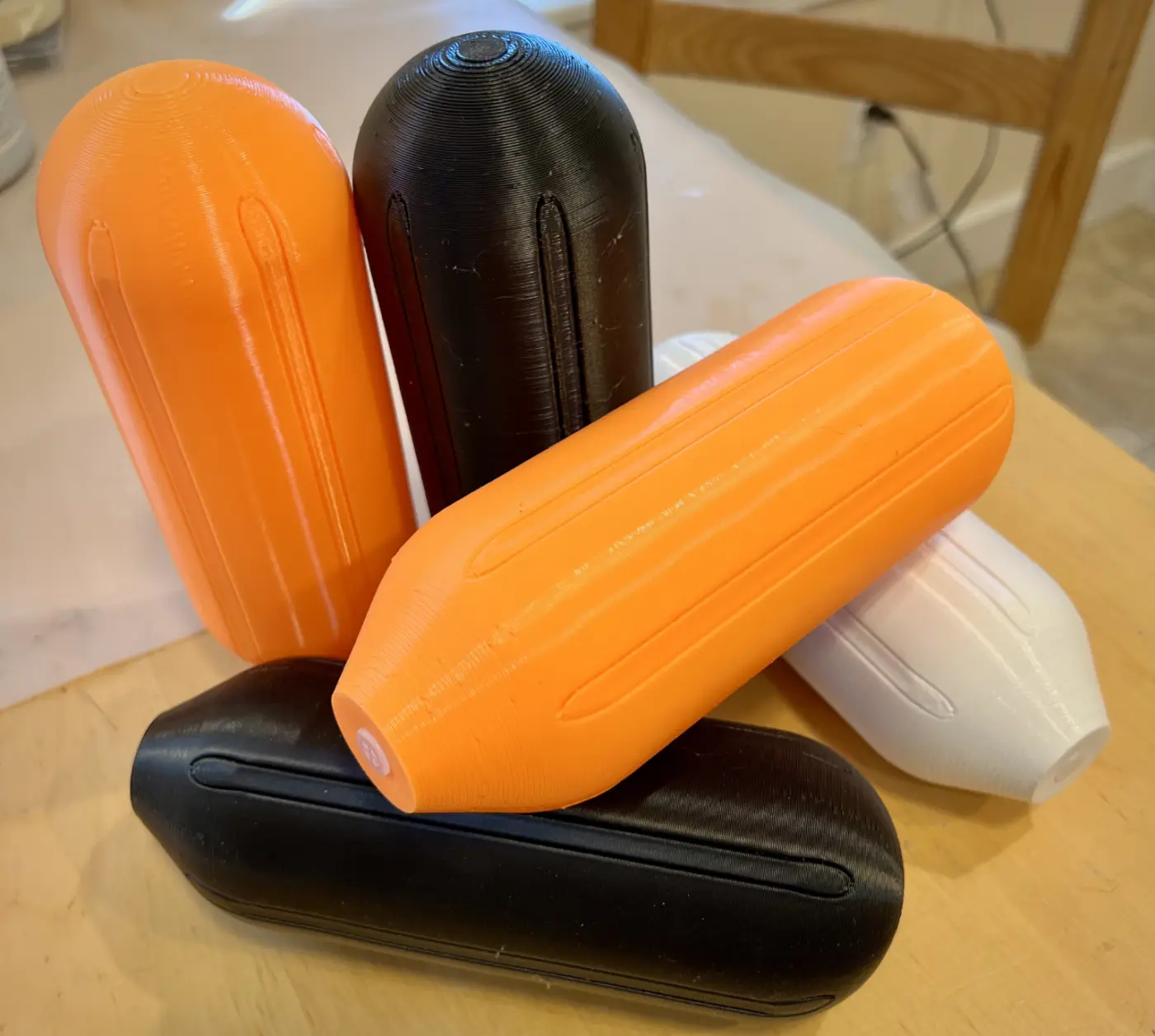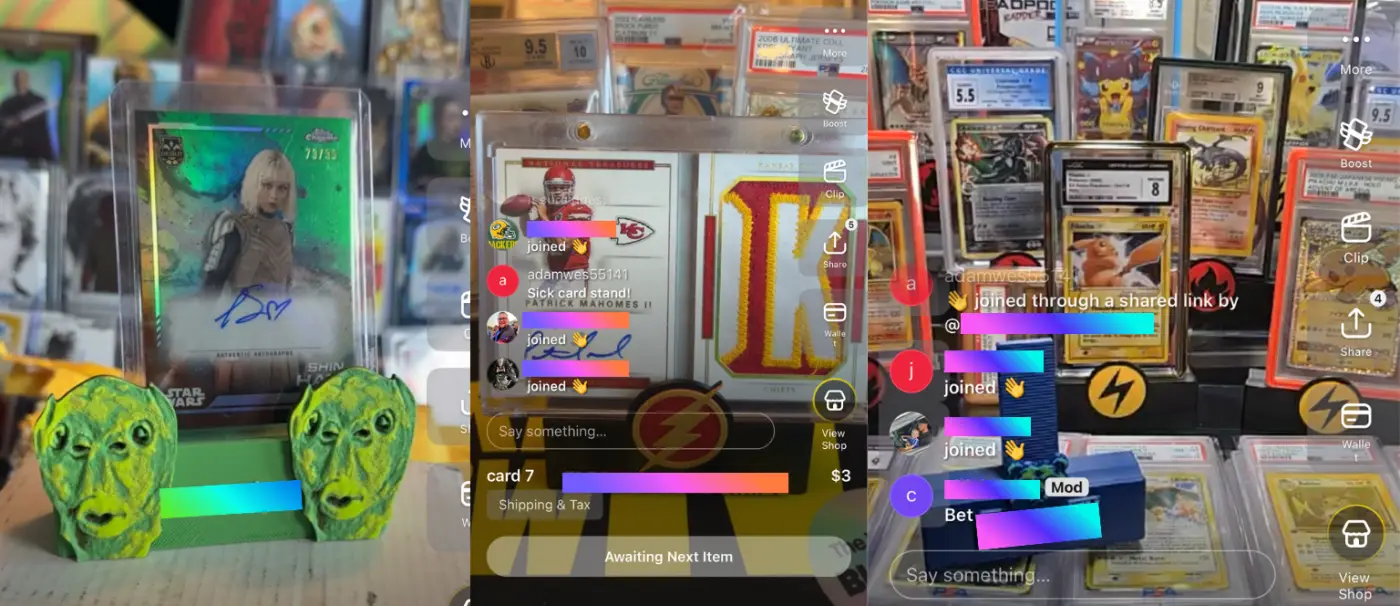
A developer launched a custom 3D printing business, processed over 500 orders in eight months, generated $28,000 in revenue, but pocketed just $8,500 after costs. He shut it down in April 2024, citing unsustainable margins and endless reprints. This Hacker News postmortem cuts through the maker movement hype: turning a hobby printer into a side hustle yields quick cash but rarely scales without deep pockets or unique IP.
The founder used a Prusa MK3S+ printer, starting with a simple Shopify store and Printful integration before switching to in-house fulfillment. Orders peaked at 50 per week for phone stands, fidget toys, and custom gadgets priced $15-50. He sourced filament at $25/kg, but waste from failed prints and supports ate 20-30% of material costs. Labor—slicing, printing (average 8 hours per job), post-processing, and packing—consumed 20-30 hours weekly at first, dropping to 10 as he batched jobs.
Financial Reality Check
Revenue hit $28k over eight months, averaging $3,500 monthly. Expenses broke down like this: $7,200 materials, $4,000 filament and tools, $3,000 shipping (USPS flat-rate boxes at $9-15 each), $2,500 Shopify/PayPal fees (9%), and $3,000 misc (returns, reprints at 15% rate). Net profit: $8,500, or $1,062/month—decent for 10-20 hours/week, but hourly rate hovered at $15 after taxes. Scaling required a $5k farm (four printers), but that demanded $2k/month electricity and space he lacked.
Customer acquisition relied on Reddit, TikTok virality (one video 1M views drove 200 orders), and Etsy crossposts. Lifetime value per customer: $56, with 60% repeat rate early on, fading to 30% as novelty wore off. Churn stemmed from print defects (stringing, warping) and delivery delays—China competitors on AliExpress shipped identical parts for 40% less in 2-3 weeks via ePacket.
Operational Pitfalls and Market Context
3D printing’s consumer market exploded post-COVID, with services like PCBWay and JLCPCB offering FDM prints at $0.05/gram from Shenzhen farms. Global filament demand hit 200k tons in 2023, but small U.S. operators face 50-70% price disadvantage without volume. The founder battled 15% reprint rate from slicer inconsistencies (PrusaSlicer defaults), manual supports, and cheap PLA brittleness. Shipping fragile ABS parts led to 5% DOA claims, refunding $1,400 total.
He pivoted twice: from general custom to niche “desk toys,” then added laser engraving for $10 upsell (20% adoption). Still, no moat—Thingiverse free models undercut paid designs. Electricity alone cost $0.15/kWh x 500W/printer x 8hr/job scaled poorly; a full farm burns $500/month in power.
Why this matters: Aspiring makers chase $100k ARR dreams, but 80% of Etsy 3D shops earn under $1k/year per 2023 Craft Industry Alliance data. Success demands automation (e.g., OctoPrint farms, AI slicing via OrcaSlicer) or vertical integration like selling STL files on Cults3D ($50k/year passive for top creators). Crypto angle? Print custom hardware wallets or NFT trophies, but IP theft kills it fast.
Lessons for bootstrappers: Validate with $500 MVP (one printer, 50 pre-orders via Product Hunt). Price at 5x COGS minimum. Outsource to XLaser or Shapeways for $0.10/g if volume hits 100/week. Or skip service, sell designs—top Gumroad 3D files pull $10k/month recurring. This experiment proves hobby-to-business works short-term (ROI 300% on $2k setup), but long-term winners build software around hardware, not slave to nozzles.
Bottom line: 3D printing democratized prototyping, not manufacturing empires. If you’re eyeing it, crunch your numbers first—$28k top-line sounds sexy, but $8.5k reality funds a vacation, not freedom.