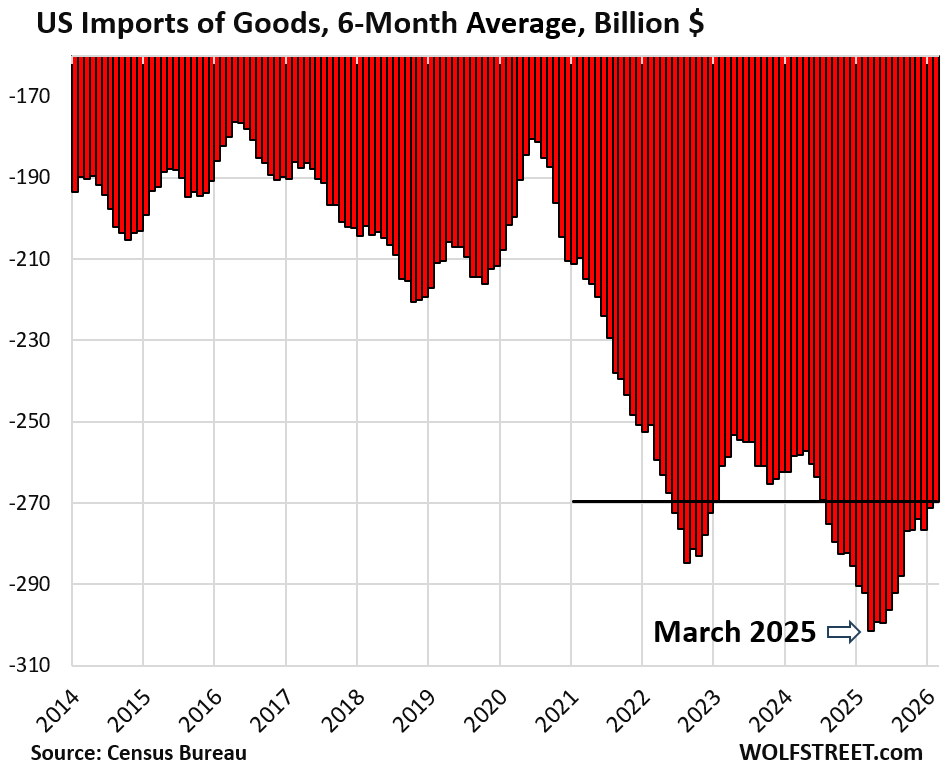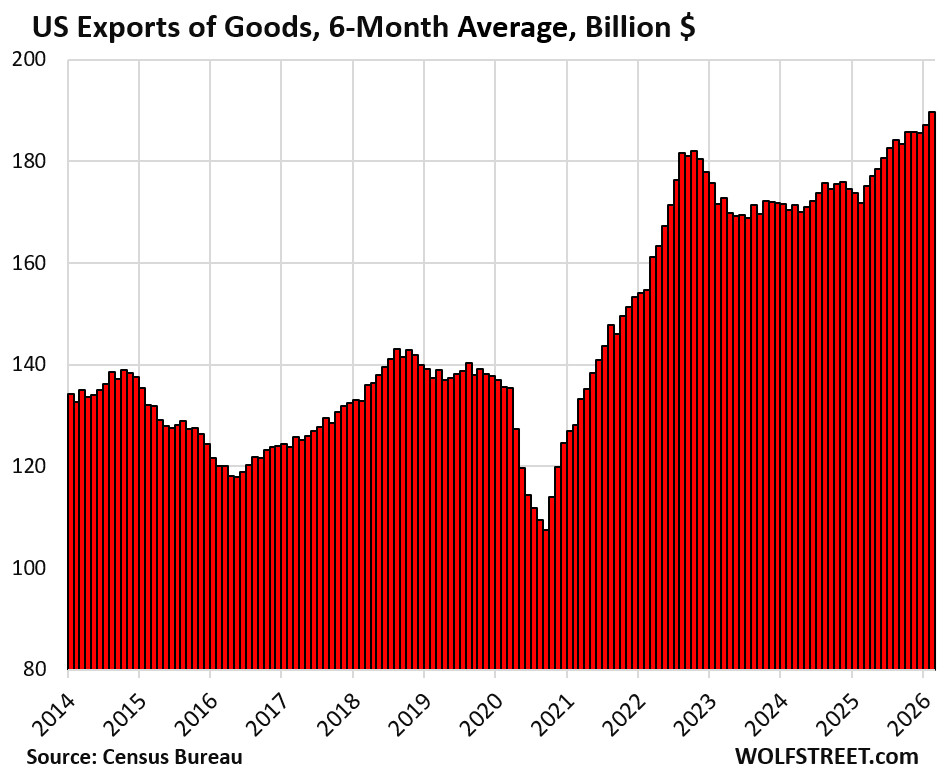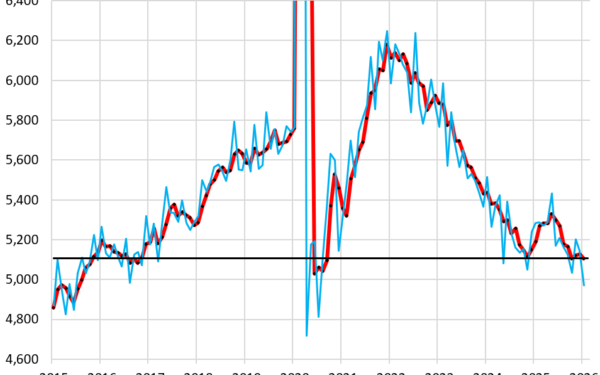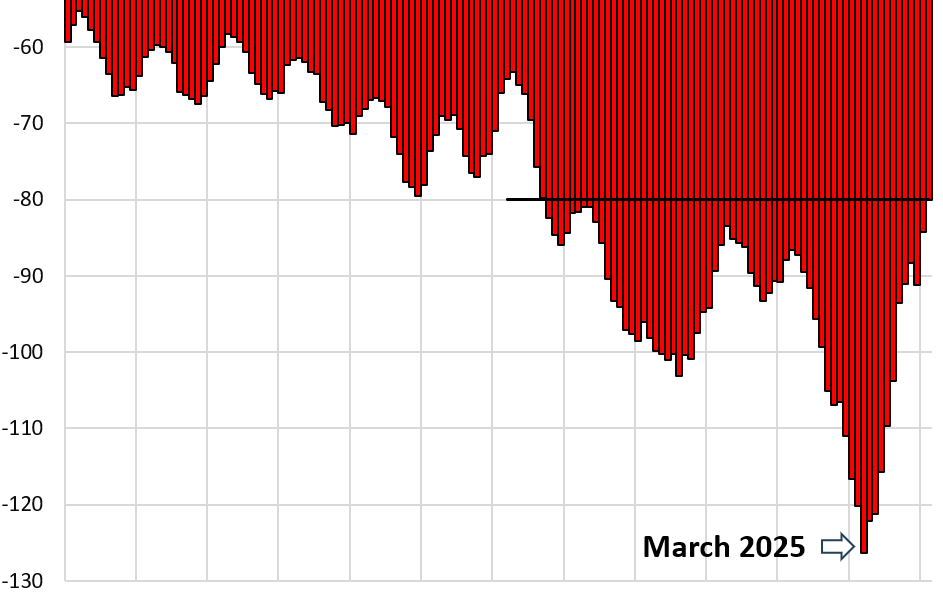
The U.S. goods trade deficit shrank sharply in recent months. The six-month moving average fell to $80 billion per month—the lowest level since early 2020, according to U.S. Census Bureau data through May 2024. This marks a 25% drop from the $107 billion average over the prior six months and stands well below the pandemic-era peaks that topped $120 billion monthly.
Context matters here. Before COVID, the monthly goods deficit hovered around $70-80 billion. It exploded to $144 billion in April 2022 amid supply chain snarls, stimulus-fueled demand, and a weak dollar. Now, with imports normalizing, the deficit eases. Exports hit $178 billion in April alone, boosted by record energy shipments—crude oil and LNG to Europe and Asia. Imports dropped to $258 billion, down from March highs, as consumers pulled back on non-essential goods.
Tariffs’ Role: Real Impact, But Not Solo
Tariffs get the credit in headlines, and they deserve partial. The Trump-era duties on $380 billion of Chinese goods—kept and expanded by Biden—pushed the U.S.-China goods deficit down 30% from 2018 peaks, to $28 billion in April. Biden’s May 2024 hikes on Chinese EVs (100%), steel (25%), and semiconductors added pressure. Imports from China fell 25% year-over-year, rerouted via Mexico (up 10%) and Vietnam.
Yet tariffs alone don’t explain it. A strong dollar—up 8% against major currencies since 2022—makes U.S. exports pricier and imports cheaper, counterintuitively curbing import volumes as dollar shortages hit trading partners. Corporate inventory rebuilding peaked; firms now draw down stocks. High interest rates cooled domestic demand, slashing consumer goods imports by 15%. Energy exports surged 20% on high global prices, not policy tweaks.
Skepticism warranted: Overall goods deficit remains massive at nearly $1 trillion annualized. Services surplus ($80 billion monthly) keeps the total trade gap at $60 billion—still unsustainable long-term, as it erodes the dollar’s reserve status and piles debt. Tariffs raised $80 billion in revenue last year but cost consumers $50 billion extra via higher prices, per studies from the Tax Foundation.
Why This Matters: Jobs, Security, and Policy Bets
Short-term wins show up in manufacturing. Factory jobs rose 200,000 since 2022; steel production climbed 10% despite duties. Reshoring accelerates—Intel’s $20 billion Ohio plant, TSMC’s Arizona fabs—partly dodging tariffs. National security gains: Less reliance on Chinese chips and EVs reduces vulnerabilities exposed in the 2022 energy crisis.
Risks loom large. Tariffs distort supply chains, inflating costs. Retaliation from the EU and Canada hit $20 billion in U.S. farm exports. If deficits rebound with lower rates—expected in 2025—politicians face pressure. Trump pushes 60% China tariffs and 10-20% universal; Biden favors targeted hits. Voters reward job gains but punish grocery prices up 25% since 2020.
Bottom line: This improvement signals tariffs work as a blunt tool—curbing specific flows without collapsing trade. But sustainability hinges on productivity gains, not protectionism. Without domestic investment in automation and skills, deficits creep back. Watch July data: If the average holds below $85 billion, policy shifts gain traction. Otherwise, it’s a blip in a structural imbalance fueled by low U.S. savings (3% of GDP vs. China’s 45%).
Investors take note: Stronger dollar persists, hurting multinationals’ overseas earnings by 5-10%. Exporters like Boeing and Caterpillar gain, but retailers face margin squeezes. Crypto angle: Bitcoin miners export U.S. hashrate abroad, but tariffs on hardware could onshore more compute power, bolstering energy security.