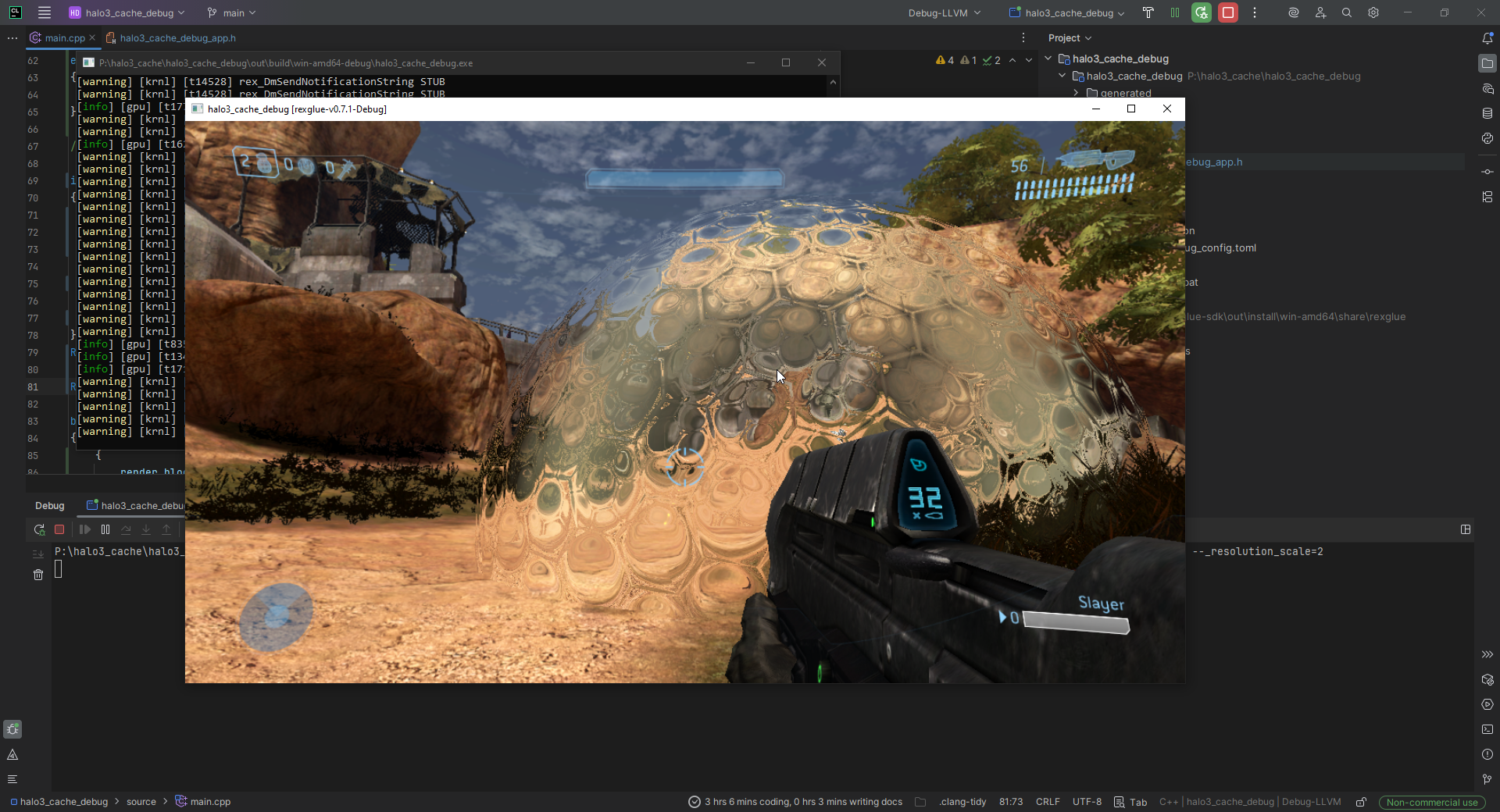
Developers have achieved a breakthrough in recompiling Xbox 360 game binaries to run natively on modern PCs, bypassing the performance hit of emulation. A demo by reverse engineer Matthew Callaghan (@ModdedWarfare3) shows Forza Motorsport 4—originally a 2009 title—running at 144 FPS on an Intel i7-14700K with an RTX 4080, unlocked from its native 60 FPS cap. This isn’t emulation; it’s static recompilation of PowerPC code to x86, delivering near-native speeds.
The Xbox 360, Microsoft’s 2005 console, shipped 84 million units and defined a generation with hits like Halo 3 and Gears of War. Its Xenon CPU—a triple-core PowerPC at 3.2 GHz—powers games compiled for a custom instruction set incompatible with x86 PCs. Emulators like Xenia, the leading open-source option, use dynamic recompilation (Dynarec): they translate code on-the-fly during runtime. This works—Xenia Canary now boots over 1,000 titles—but incurs 20-50% overhead, limiting frame rates in demanding games.
How Recompilation Works Here
Static recompilation flips the script. Tools lift the original PowerPC binaries, analyze control flow, and rewrite them as x86 assembly or LLVM IR before execution. Callaghan’s project, building on efforts like the open-source x360ce and prior decompilers, handles Xbox 360’s XEX executable format. Key steps:
- Lifting: Disassemble PowerPC instructions using libraries like Ghidra or custom binaries.
- Analysis: Reconstruct functions, resolve jumps, and inline constants. Xbox 360 uses position-independent code (PIC), complicating this.
- Translation: Map instructions—e.g., PowerPC’s
lwzload to x86mov. Vector extensions (VMX128) for shaders go to SSE/AVX. - Linking: Stub out Xbox 360 kernel calls (XeXxx functions) to Windows APIs or custom implementations.
Callaghan’s February 2024 demo recompiled Forza 4’s main executable and assets in hours, using off-the-shelf PCs. He shared disassembly snippets on Twitter, showing clean x86 output. Earlier milestones include running homebrew like Quake III Arena port and simpler titles like Sonic the Hedgehog.
Why This Matters: Performance, Preservation, and Precedents
Performance jumps are immediate. Forza 4 idles at 500 FPS post-recomp, with full ray-tracing mods possible via DirectX 12. This unlocks 144Hz+ play on 4K displays, impossible under emulation. Modders gain direct access—no emulator hooks needed—enabling widescreen fixes, AI upscaling, or physics tweaks.
Preservation weighs heavy. Microsoft delisted dozens of 360 games from the backward-compat Xbox Series store; others vanish as servers shut down (e.g., Forza 4 multiplayer ended 2021). Recompilation sidesteps this: dump your disc or digital copy, recompile, run forever. Legally, self-dumping is fair use in many jurisdictions (e.g., US DMCA exemptions for archival), but sharing dumps invites lawsuits—see Nintendo’s Yuzu takedown.
Broad implications ripple out. Techniques mirror Switch recompilers like Ryujinx’s partial static recompiler, accelerating PC ports of Wii U games. Security researchers benefit: full decomp lets audit console malware or firmware vulns (360 had 10+ exploited, like King Kong LT reset glitch). Finance angle? Retro gaming market hit $1B in 2023; native 360 ports could flood Steam, pressuring Valve’s Proton layer.
Skepticism tempers hype. Not every game recompiles cleanly—Forza 4 succeeded due to straightforward code; shader-heavy beasts like Alan Wake or multiplayer titles with anti-cheat (e.g., COD) resist. GPU emulation persists: Xenos shaders need translation to Vulkan/DX12, often via Xenia’s rdb dumps. Full pipeline? Months away. Callaghan’s repo isn’t public yet, gating community progress.
Still, this advances inexorably. Pair with GPU reclockers (360’s Xenos tops 500 GFLOPS; RTX 4080 does 50 TFLOPS) and you get a viable 360 PC ecosystem. Watch GitHub/Xenia for updates—next target might be Red Dead Redemption, absent from modern platforms. For enthusiasts, grab a 360 devkit (eBay ~$200) and start dumping. The 84M-unit library awaits revival.