C interpreters power reference VMs for Lua, Ruby, and Python, but they run slow—often 10x or more behind JIT-equipped rivals. A new tool called yk changes that. Developers added about 400 lines of code to PUC Lua (Lua’s 5.4 reference interpreter) and tweaked under 50 lines. Result: yklua, a JIT version that delivers a geometric mean 2x speedup across early benchmarks. This hits a sweet spot—faster than pure interpretation, fully compatible with the latest reference implementation, no massive rewrite needed.
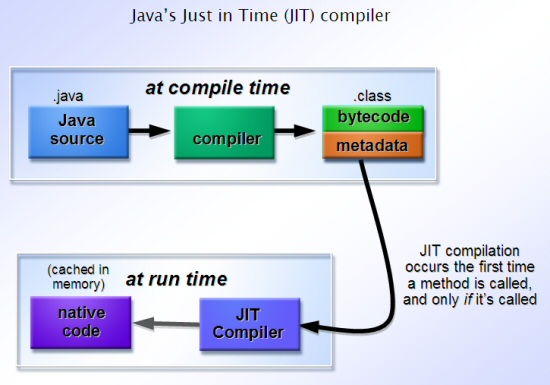
yk works by analyzing the C interpreter’s bytecode dispatch loop at compile time. It traces hot paths, infers types, and generates x86-64 machine code on the fly. No manual annotation required; it auto-derives the JIT from existing VM code. That’s the hook: minimal invasion. PUC Lua’s core stays untouched, so yklua tracks upstream PUC updates effortlessly. Contrast that with LuaJIT, Mike Pall’s legendary hand-tuned JIT, which peaked at Lua 5.1 in 2011 and hasn’t merged 13 years of language evolution.
Performance: Promising but Caveated
Expectations matter. yk remains alpha: x64-only, partial optimizations, TODOs that crash runs, suboptimal fallbacks. Benchmarks cover a subset; no broad suite yet. A Mandelbrot renderer video shows ~4x speedup over PUC Lua—cherry-picked for demo. Realistic geo mean on their Lua suite: under 2x. Small benchmarks inflate JIT gains; real programs with cold code, I/O, or irregularity see less. Still, 2x on a reference interp beats zero without forking to ancient versions.
Context underscores this. PUC Lua 5.4 runs at ~100-200 MB/s on standard suites like Computer Language Benchmarks Game. LuaJIT 2.1 hits 1-2 GB/s on hotspots. yk lands in between, maybe 300-500 MB/s geo mean. Not revolutionary, but automatic. For Ruby (MRI) or Python (CPython), similar retrofits could close half the perf gap to V8, PyPy, or JRuby—without breaking compatibility or stdlib.
Why This Fills a Gap
Language implementers face brutal trade-offs. Pure C interps: simple, portable, spec-compliant, but glacial on loops/math. Hand-JITs like LuaJIT: blazing, but brittle maintenance, version lock-in. AOT compilers (TinyGo, Graal) demand source changes. yk sidesteps: bolt-on JIT, ref impl fidelity, future-proof. Implications ripple.
For small teams or research langs, it means perf boosts without heroics. Python core devs could test ykpython; gain 2x on numerics while keeping GIL, C extensions intact. Rubyists escape MRI’s crawl on Rails without JRuby’s JVM overhead. Security angle: JITs expose attack surface (sandboxing needed), but yk’s minimalism limits blast radius vs full rewrites.
Skepticism warranted. Alpha means volatility; x64 limits portability (ARM? RISC-V?). Opt breadth lags—tracing JITs excel on straight-line code, falter on branches/OO. Benchmarks thin; needs Delta, Renaissance, or SPEC-ish validation. Geo mean 2x flatters; wall-clock on apps like Redis-Lua or TeX might halve.
Yet it matters. yk proves automated JIT retrofitting viable. Design space expands: interp + auto-JIT as third path. If matured—full opts, ports, benchmarks—it pressures ref impls to JIT or die slow. Tracks like PLISS 2026 (upcoming talk) signal momentum. Grab the repo, build yklua, run your loops. See 2x yourself; decide if the alpha pains beat status quo stagnation.