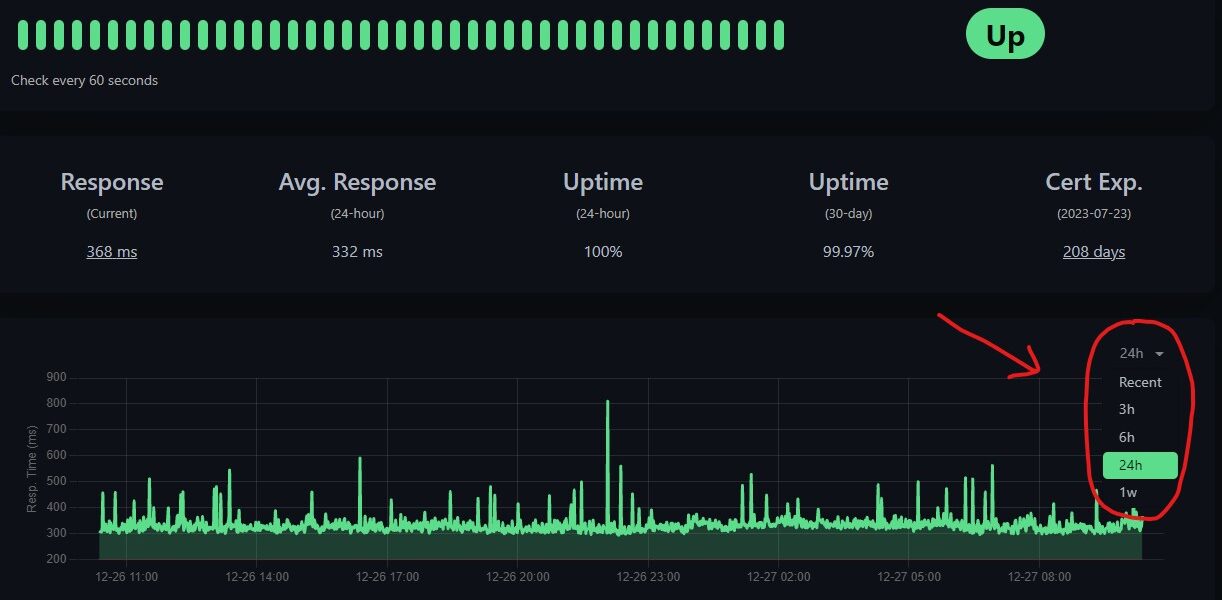
GitHub just clocked its best quarterly uptime ever: 99.999% for Q1 2024. That’s five nines, translating to under 26 seconds of total downtime across 90 days. Hacker News lit up with discussion, dissecting what this means for the world’s largest code host—now serving over 100 million developers and 420 million repositories.
This isn’t hype. GitHub publishes transparent data on their status page. Past quarters hovered around 99.98-99.99%, with incidents like the July 2023 Redis meltdown causing 99.92% uptime. Hitting five nines marks a leap, especially amid surging AI-driven traffic from tools like Copilot.
The Hard Numbers
Break it down: 99.999% uptime means 5.26 minutes of allowable downtime per year, or 26 seconds per quarter. GitHub measures this across core services—API, web, Git operations—excluding minor regional blips. Historical context? Q4 2023: 99.995% (53 seconds down). Q3: 99.984% (2.3 minutes). Pre-Microsoft era (pre-2018), outages hit weekly; now, global incidents average one per quarter.
Compare competitors: AWS clocks 99.99% for many services, but GitHub’s monolith—handling 3.5 billion Git pulls daily—makes this tougher. GitLab.com reports 99.95% SLA, often lower in practice. Self-hosted options like Gitea dodge cloud risks but demand ops teams.
# Check GitHub status via API
curl -H "Accept: application/vnd.github.v3+json" \
  https://api.github.com/meta | jq .status
This endpoint confirms all systems green during the streak.
How They Pulled It Off
Microsoft’s Azure backbone helps. GitHub runs multi-region active-active setups across US, Europe, Asia. Key moves: Sharding databases post-2018 migration, AI-powered anomaly detection, and chaos engineering drills. They weathered 2023’s Azure AD outage without full collapse by isolating dependencies.
Traffic exploded 40% YoY from AI repos (e.g., Llama models). Yet, no major incidents. Credit proactive scaling: 100,000+ servers, edge caching via Fastly. Security layers—rate limiting, DDoS mitigation—block 10 billion attacks monthly, preventing downtime triggers.
Why This Matters
Reliability underpins dev workflows. CI/CD pipelines, like GitHub Actions running 1 billion minutes monthly, halt on outages—costing enterprises millions hourly. For open-source maintainers, it’s trust: 90% of Fortune 100 use GitHub. Crypto projects (Bitcoin Core, Ethereum) rely on it for collab; any blip ripples to markets.
Implications for Microsoft: Bolsters Azure pitch—”If GitHub survives peak loads, so can you.” Competition heats up: GitLab pushes sovereignty, SourceHut minimalism. But GitHub’s moat—network effects, Copilot lock-in—widens. Users save on backups, gain confidence for mission-critical shifts.
Finance angle: Downtime dollars. A 1-hour global outage costs GitHub ~$1M in lost productivity (est. $50/user/hour x 2M active). Five nines slashes that risk. Investors note: MSFT stock dips 0.5% on big outages; stability supports $3T valuation.
Skeptical Lens
Don’t celebrate yet. Uptime excludes degraded states—like slow API responses during 2024’s Copilot surges. Past whoppers: 2022 Firebase migration cascaded 2 hours down. Five nines sounds elite, but AWS hits six routinely for S3. GitHub defines “up” narrowly; user-perceived availability lags.
Dependency risks loom: 80% Azure-tied. China blocks? Workarounds exist, but uptime dips. HN threads flag over-reliance—diversify with mirrors. Still, fair props: GitHub transformed from outage-prone startup to enterprise rock. Maintain the streak, and it redefines cloud Git standards.
Bottom line: 99.999% isn’t luck; it’s engineered grit. Developers sleep better; platforms chase harder. Watch Q2 data—sustained?