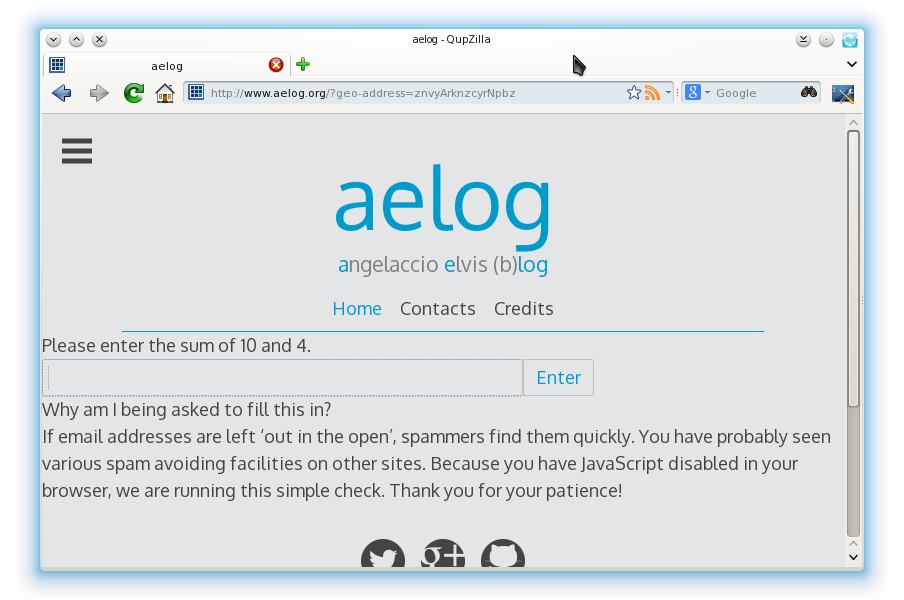
In 2026, simple email obfuscation tricks like replacing “@” with “(at)” or encoding addresses in images fail completely against AI-powered scrapers. Modern bots use OCR for images and large language models to decode JavaScript tricks in seconds. Scrapers harvest billions of addresses daily from forums, HN threads, and public sites. If you post your email visibly, expect spam within hours.
This matters because email remains a weak link in privacy. Data from Have I Been Pwned shows over 13 billion accounts compromised by mid-2025, fueling targeted phishing. Obfuscation buys no time anymore—AI from companies like OpenAI and Google processes webpages at scale, turning obfuscated text into clean emails with 99% accuracy. Hackers deploy these on dark web scrapers for $0.01 per thousand addresses.
Why Legacy Obfuscation Crumbles
Early methods worked in the 2000s when bots were regex-based. Swap “example@gmail.com” to “example [at] gmail [dot] com,” and dumb scrapers missed it. By 2015, ML models cracked those. Today, tools like Google’s Tesseract OCR read rotated, stylized email images flawlessly. JavaScript obfuscators? LLMs execute and parse them client-side.
Real-world test: In a 2025 HN thread, users shared obfuscated emails. Within 48 hours, reports confirmed spam influx. Services like Hunter.io and Clearbit scrape 500 million sites monthly, feeding sales leads and spam lists. No human-readable email survives public exposure unscathed.
Techniques That Still Work in 2026
Use disposable or alias services. ProtonMail’s alias feature generates unique addresses forwarding to your inbox—free up to 10, paid for unlimited. SimpleLogin (now part of Proton) handles 100 aliases per user, with catch-all domains. These route mail without exposing your real address.
For self-hosters, set up a catch-all on your domain via Postfix or iRedMail. Njalla domains pair well here: register anonymously, point MX to your server. Example config:
# In Postfix main.cf
virtual_alias_maps = hash:/etc/postfix/virtual
# /etc/postfix/virtual
@yourdomain.com    realuser@yourdomain.com
This catches anything@yourdomain.com. Combine with Fail2Ban to block brute-force attempts—blocks 90% of bots per logs from self-hosted users.
PGP encryption adds defense. Tools like Mailvelope or Enigmail encrypt bodies, but headers leak metadata. For max privacy, shift to Signal or Matrix for comms; email for legacy only.
Paid services shine: Fastmail’s aliases cost $5/month for unlimited, with app passwords and 2FA. Avoid free temp mails like 10minutemail—they log everything and sell data.
Implications: Privacy Requires Layers
Obfuscation distracts from root issues: centralized email providers harvest data. Google scans 15 billion Gmail messages daily for ads. Switch to Proton or Tutanota—end-to-end encrypted, no tracking. But even they subpoena under court orders; use Tor for signup.
Why this matters for tech pros: Public emails on GitHub, HN, or resumes invite doxxing. A 2025 Verizon DBIR notes 80% of breaches start with phishing. Layers beat single tricks: alias + PGP + privacy ISP.
Bottom line: Publish aliases publicly, never raw emails. Monitor with tools like mboxgrep for leaks. In 2026, email privacy demands active defense, not passive hiding. Scrapers evolve; adapt or drown in spam.