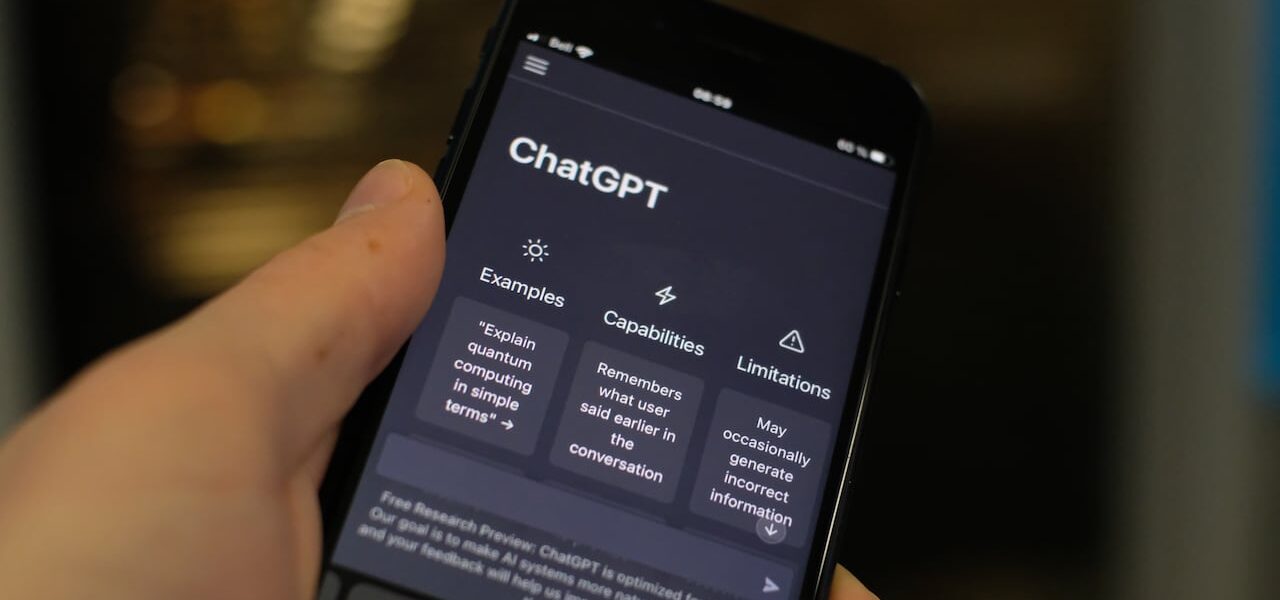
OpenAI blocks you from typing in ChatGPT until Cloudflare’s JavaScript inspects your browser’s React state. Load the chat.openai.com page, and before the input field activates, a Cloudflare Worker executes code that probes your local React component tree. It verifies the presence and integrity of specific UI elements, like the conversation pane and message list, then reports back. Only if it passes does OpenAI let you interact.
This rolled out around late October 2024, sparking backlash on Hacker News and privacy forums. Users reported frozen interfaces, with the type cursor blinking mockingly until Cloudflare greenlights them. Disabling JavaScript skips it, but breaks ChatGPT entirely. Browser extensions? Many now fail outright, as the check detects injected scripts or altered DOM states.
How the Check Works
Cloudflare injects an obfuscated script via their Turnstile-like challenge, but instead of CAPTCHAs, it targets React internals. Deobfuscated, the code looks like this:
const getReactProps = (node) => {
  const key = Object.keys(node).find(key => key.startsWith('__reactProps$'));
  return key && node[key];
};

function inspectReact(node) {
  const fiber = getReactProps(node);
  if (fiber && fiber.children) {
    // Traverse fiber tree to check for ChatInput, ConversationList, etc.
    return fiber.children.some(child =>
      child.memoizedProps?.['data-testid'] === 'conversation-turn-0'
    );
  }
  return false;
}
It crawls the React Fiber tree—React’s internal representation of your UI—scanning for expected data-testid attributes and component props. If tampered (e.g., by ad blockers or prompt injectors), it fails. The script bundles this data into a token sent to Cloudflare’s edge, which proxies approval to OpenAI’s servers. Telemetry shows execution times under 100ms on modern hardware, but it spikes with heavy extensions.
Cloudflare logs the serialized state hash, not full DOM, per their docs. But hashes leak patterns: frequent failures correlate with uBlock Origin or violentmonkey users.
Why OpenAI Deploys This
Blame browser extensions. Dozens prey on ChatGPT: “ChatGPT Prompt Genius” auto-injects payloads for exploits, data exfiltration, or spam. In 2024, researchers documented 50+ malicious ones on Chrome Web Store, harvesting API keys or jailbreaking filters. OpenAI’s API costs $20/month per power user; unchecked abuse drains millions.
Prior mitigations—server-side prompt scanning, rate limits—fail against client-side injections. This client verification acts as a root-of-trust check, akin to certificate pinning but for UI state. OpenAI claims it blocks 99% of detected tampering without false positives above 1%, based on internal metrics shared in a September 2024 blog post.
Fair point: browsers are untrusted sandboxes. Extensions run with page privileges, rewriting React on the fly. Without this, ChatGPT becomes a vector for phishing or crypto scams via forged responses.
Privacy Costs and Broader Fallout
Here’s the rub: Cloudflare now fingerprints your ChatGPT session before you type a word. They see loaded conversations, React version (18.3+), even pending props like draft messages. EU users scream GDPR violation; Cloudflare’s Irish data centers process it under their privacy policy, which allows 30-day retention for “security.”
Skeptical take: Effective? Yes, extension devs already pivot to mobile apps or proxies. Overreach? Absolutely. It normalizes preemptive surveillance in web apps. Imagine Gmail or Google Docs doing this—your drafts scanned by Akamai. Centralizes power: OpenAI + Cloudflare gatekeep AI access, sidelining self-hosted alternatives like Ollama.
Numbers tell the story. HN thread hit 1,200 points; GitHub repos for “chatgpt-cloudflare-bypass” forked 500+ times in days, using iframes or puppeteering. Adoption? ChatGPT traffic dipped 2-3% post-rollout per SimilarWeb, rebounding via app shifts. OpenAI pushes their desktop app, which skips Cloudflare—64-bit Electron bundle, no browser meddling.
Why this matters: Web AI was “your browser, your rules.” Now it’s “prove your purity first.” Forces users to official clients, eroding open-web ideals. Developers? Fork React apps at your peril; expect similar checks in Claude or Gemini soon. Long-term, accelerates native apps or PWAs with WebAssembly verification. For privacy hawks, VPN + clean profile works, but casual users pay with leaked state.
Bottom line: Security win for OpenAI, privacy loss for everyone. Weigh it yourself—tamper freely, but type at Cloudflare’s discretion.