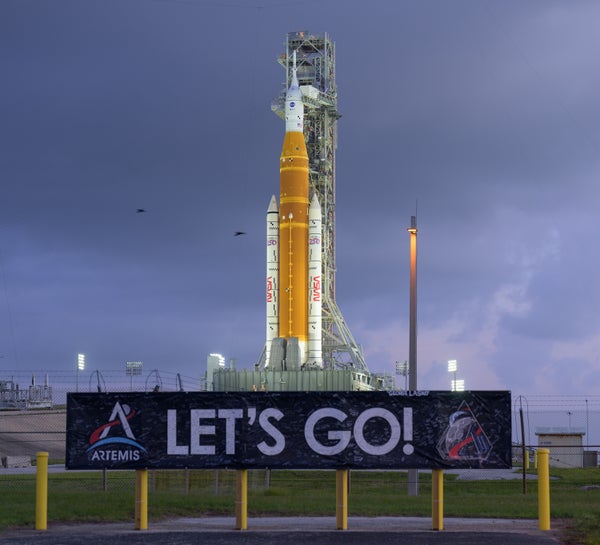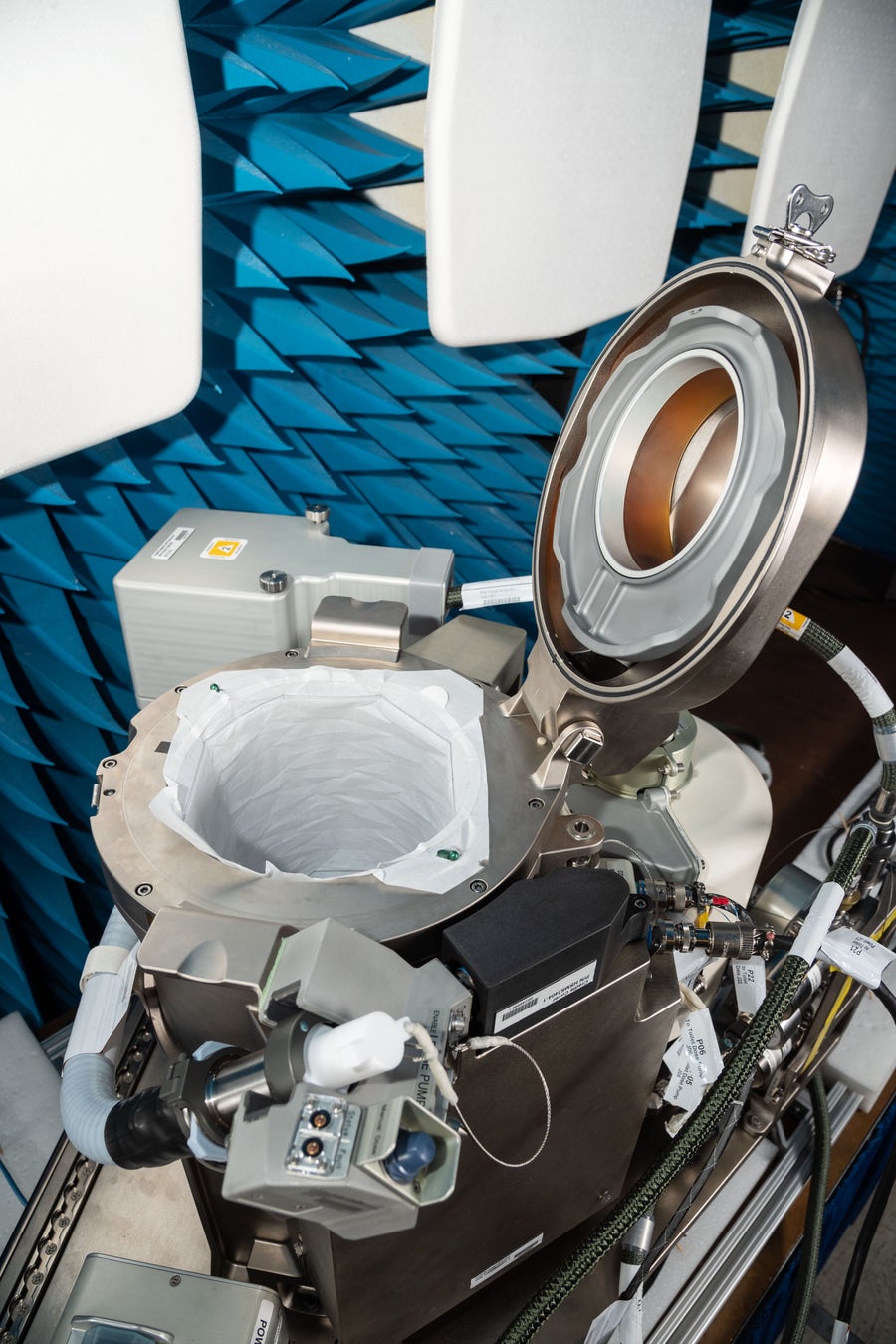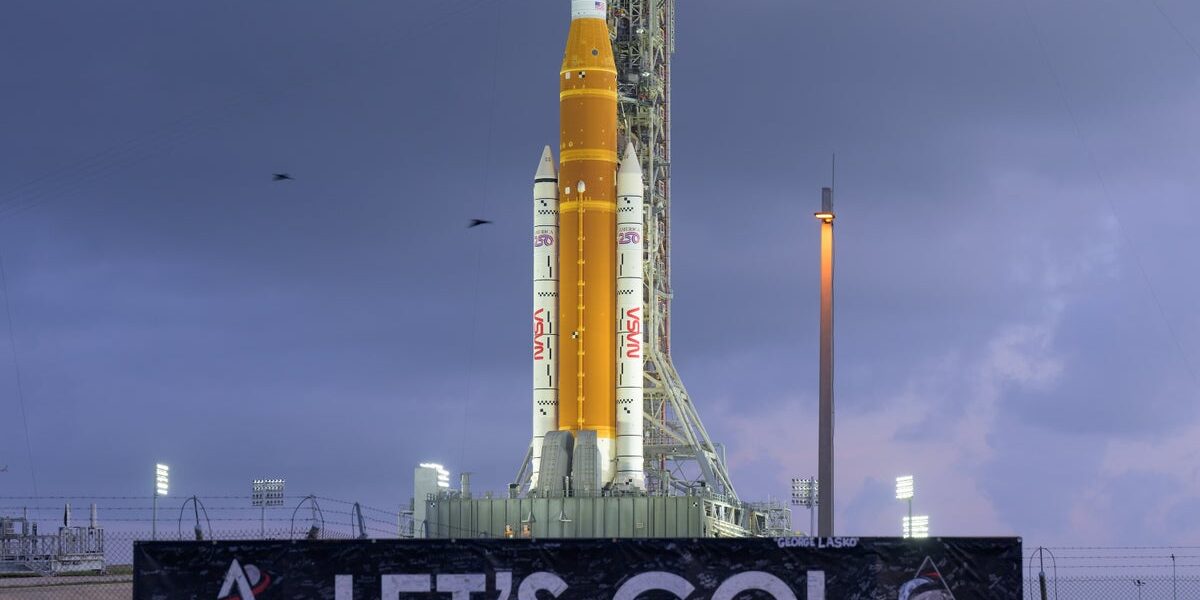
NASA’s Orion spacecraft for Artemis II now has a certified zero-gravity toilet, marking a quiet but essential engineering win for the 2025 lunar flyby mission. This Universal Waste Management System (UWMS), built by Axiom Space, passed rigorous human-rated tests in 2023, handling both urine and solid waste without leaks or clogs in microgravity simulations. Four astronauts—Reid Wiseman, Victor Glover, Christina Koch from NASA, and Jeremy Hansen from the Canadian Space Agency—will rely on it for a 10-day trip around the Moon, the first crewed deep-space flight since Apollo 17 in 1972.
Space toilets have plagued missions since the beginning. Apollo astronauts taped collection bags to their butts, leading to frequent failures, spills, and morale hits. Skylab’s 1973 toilet weighed 78 pounds and required crew to secure themselves with straps while aiming into a fan-suction hose. The International Space Station’s current setup, upgraded in 2020 for $23 million, still saw a urine leak that forced women to use backup bags. These systems recycle urine into drinking water—up to 93% recovery on ISS—but fecal matter gets stored as hazardous waste, compressed into hockey pucks for eventual disposal.
The Tech Behind the Upgrade
Axiom’s UWMS slashes volume by 75% compared to ISS toilets, weighing just 65 pounds and fitting Orion’s tight cabin. Urine flows through a privacy shield with handrails into a pretreating tank that separates fluids for future water recovery. Feces drop into a vacuum chamber, where air suction seals it into a rotating carousel of bags that compress waste into dense bricks. No more manual stirring or exposed aiming—astronauts tested it during 20 parabolic flights, simulating zero-g for 25 seconds each, confirming reliability under vibration and acceleration mimicking launch and reentry.
NASA certified it after 112 test runs with synthetic waste mimicking human output, including high-fiber diets for realistic solids. The system pretreats urine with oxone to kill bacteria, preventing the ammonia smells that sickened crews before. Power draw stays low at 200 watts average, critical for Orion’s limited batteries during its 1.4 million-mile journey.
Why This Matters—and the Risks Ahead
A toilet failure could scrub Artemis II outright. Contaminated cabin air leads to infections, dehydration from poor hydration loops, or psychological strain from indignity—crews already train extensively on waste protocols. This fix enables confidence for Artemis III’s 2026 lunar landing, where surface habitats will need scaled-up versions, and Mars missions demanding closed-loop recycling for years-long trips.
Yet skepticism tempers the hype. Artemis delays plague the program: Orion’s heat shield ablated unexpectedly in Artemis I’s 2022 uncrewed test, pushing Artemis II from April 2024 to no earlier than September 2025. Budgets ballooned—Orion costs hit $20 billion for four flights. Axiom’s toilet, contracted at undisclosed sums but likely tens of millions, succeeded where NASA struggled internally. Supply chain vulnerabilities linger: rare-earth catalysts for pretreatment or custom composites could snag amid global tensions.
Bottom line: reliable sanitation underpins human spaceflight’s viability. It frees engineers to tackle radiation shielding and propulsion, not plumbing crises. Hacker News buzz rightly flags this as a milestone—not flashy, but the unglamorous tech that keeps astronauts alive 240,000 miles from home. If it holds, Artemis inches toward sustainable Moon returns; if not, another setback exposes deep-space fragility.