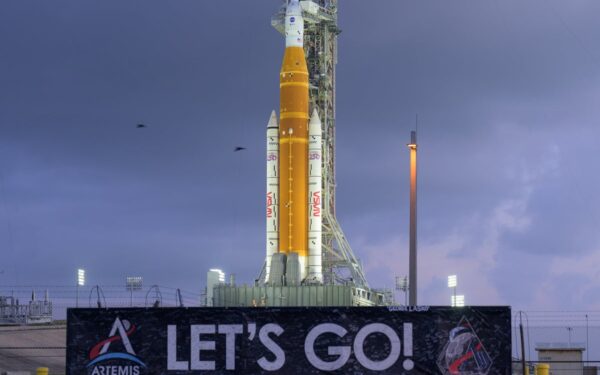
NASA’s Artemis II mission, slated for a crewed lunar flyby as early as September 2025, carries unacceptable risks. Engineers, whistleblowers, and post-flight data from Artemis I point to flaws in the Orion spacecraft’s heat shield, batteries, and radiation protection. Launching humans on this vehicle could repeat the fatal oversights of past shuttle disasters.
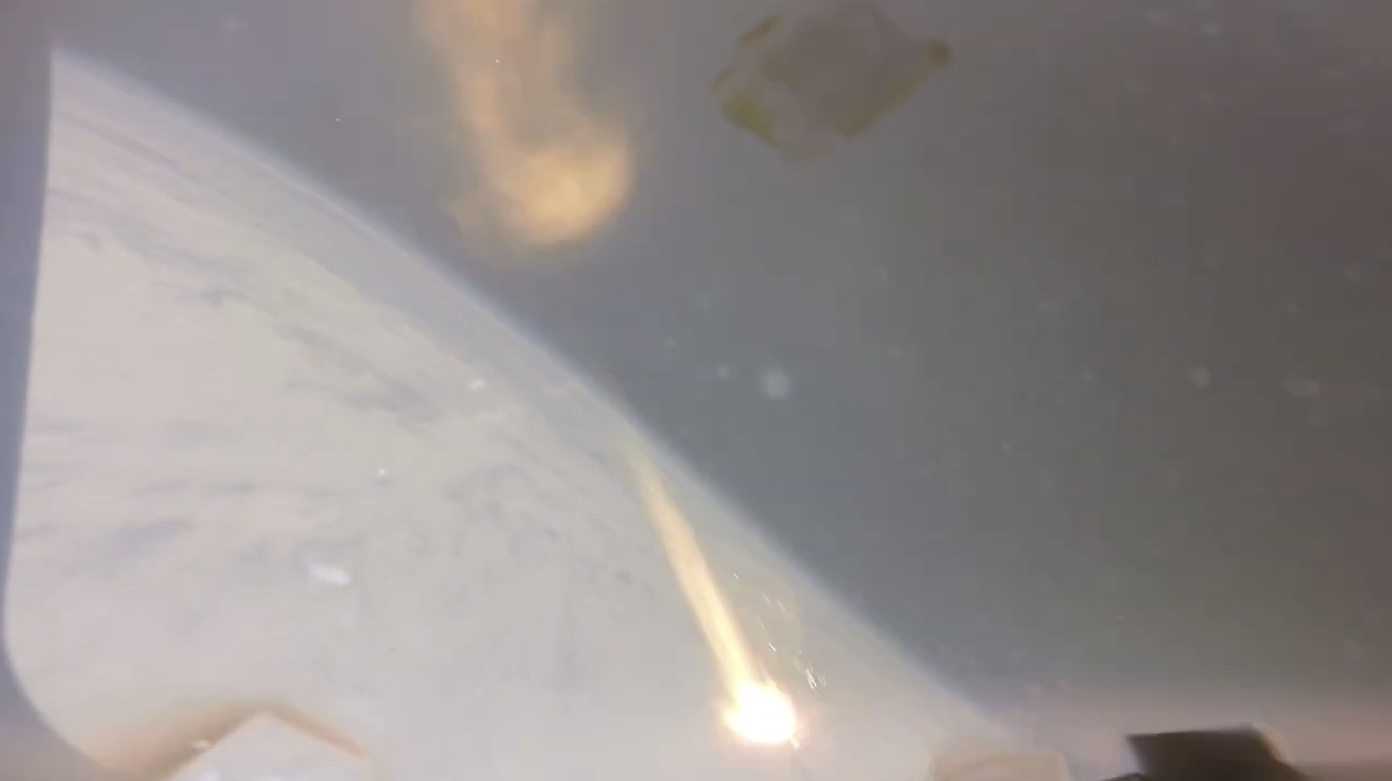
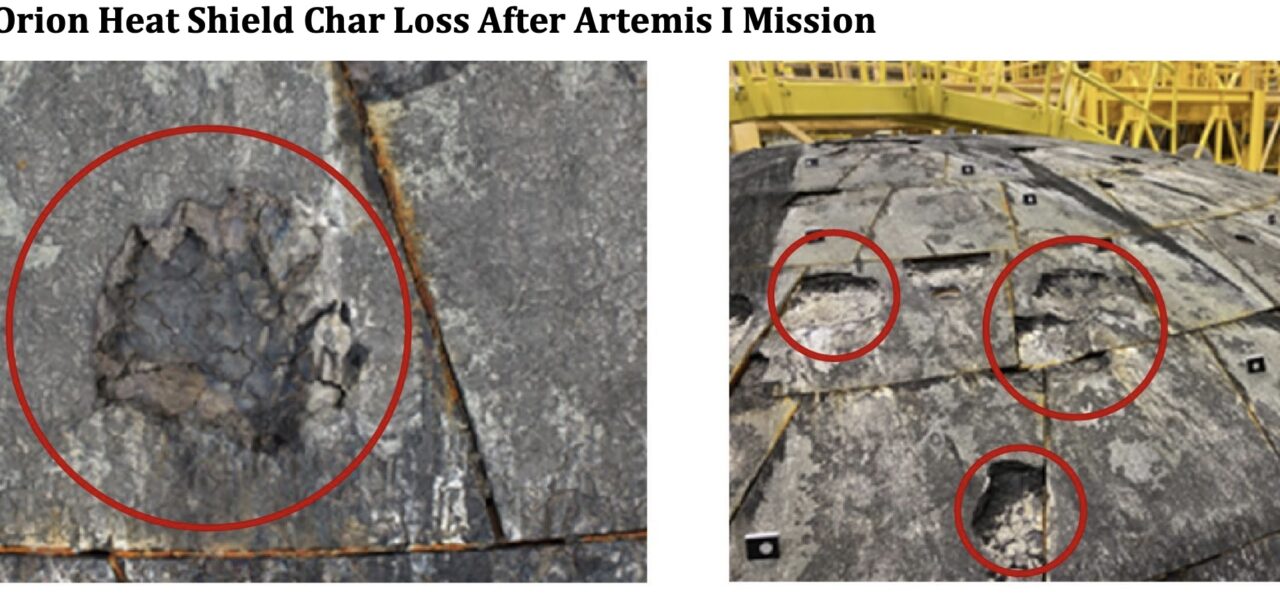
Artemis I, the uncrewed test in November 2022, splashed down successfully after orbiting the Moon. But inspections revealed damage to Orion’s Avcoat heat shield: over 100 of 370 blocks showed unexpected charring and erosion during reentry at 24,500 mph and 5,000°F. NASA and Lockheed Martin, Orion’s builder, downplayed it initially as “anomalous” but later admitted gaps in predictive models. They plan targeted repairs for Artemis II, replacing or refurbishing affected areas, yet independent experts question if root causes—like airflow disruptions from the capsule’s shape—are fully understood.
Whistleblowers Sound the Alarm
Multiple insiders have flagged dangers. In 2022, a Lockheed Martin engineer warned that Orion’s polyethylene shielding falls short against solar particle events, potentially exposing crew to lethal radiation doses—up to 1.5 sieverts, far exceeding safe limits. NASA dismissed it, opting for operational workarounds like trajectory tweaks.
More recently, Aerojet Rocketdyne (now L3Harris) employees alleged retaliation after raising concerns over the abort system’s solid rocket motors. These motors, critical for escaping launch failures, showed cracks and delamination in tests. A 2023 OSHA complaint detailed firings and threats, echoing patterns from Boeing’s Starliner program.
A September 2024 NASA Inspector General report added fuel: Orion’s service module batteries, supplied by ABL Space Systems, failed vibration tests repeatedly. Four of eight batteries needed redesigns after leaking electrolyte during Artemis I simulations. Flight now hinges on retesting, but schedules slip—Artemis II has delayed from 2024 to potentially 2026.
Technical Deep Dive: What Broke and Why
The heat shield issue stems from Avcoat’s ablation process. This phenolic resin chars away to dissipate heat, but Artemis I data from 35 embedded sensors showed uneven burn-through. Block 44 lost 0.1 inches of material—five times predictions. Simulations failed to match because they underrepresented gaps between the heat shield and backshell, allowing hot gas intrusion.
Batteries complicate matters. Orion relies on lithium-ion packs for 16.5 days of deep-space ops. Failures trace to poor sealing and vibration tolerance, risking fires in vacuum. Software glitches from Artemis I, including guidance loop errors, persist despite patches.
Radiation remains a wildcard. Galactic cosmic rays and solar flares bombard Orion with no magnetic shielding like Earth’s. Crew faces 0.3-1 sievert over the mission—comparable to five years on ISS—but a bad flare could spike it lethally. Orion’s water-filled storm shelter mitigates somewhat, but timing luck plays in.
Lockheed’s $4.6 billion fixed-price contract (now overrun) incentivizes haste. NASA budgets $93 billion through Artemis V, yet GAO audits flag $13 billion in SLS/Orion cost growth since 2012.
Why This Matters: Lives, Dollars, and US Space Dominance
Artemis II crew—Reid Wiseman, Victor Glover, Christina Koch, Jeremy Hansen—represent NASA’s pivot to lunar bases and Mars. Failure dooms the program: SLS/Orion costs $4 billion per launch, versus SpaceX Starship’s projected $100 million. China eyes lunar south pole landings by 2030; delays hand them the lead.
Skeptically, NASA insists mitigations suffice—Artemis I proved the stack works 90% fine. But history warns otherwise: Challenger ignored O-ring cold risks; Columbia dismissed foam strikes. Whistleblowers faced isolation then, vindicated too late.
Delay Artemis II uncrewed or accept grounded Orion. Congress should probe via hearings, not rubber-stamp budgets. Taxpayers fund this; four lives hang in balance. Proceed at peril—safety trumps schedules.
Bottom line: Artemis II isn’t ready. Data screams caution; politics pushes fly. Watch NASA’s November 2024 Orion review for delays. Until heat shield models match reality and batteries pass quals, strap in only robots.